Karnataka BJP ready for GBA polls, alleges fund bias against its MLAs
Synopsis
Karnataka BJP has publicly launched its GBA election machinery even before poll dates are announced — and paired it with a pointed allegation: that the Congress government is starving BJP constituencies of development funds while rewarding its own. The charge, if substantiated with data, could define the civic poll campaign in Bengaluru.
Key Takeaways
Karnataka BJP declared full readiness for Greater Bengaluru Authority (GBA) elections on 30 June , despite no confirmed poll schedule.
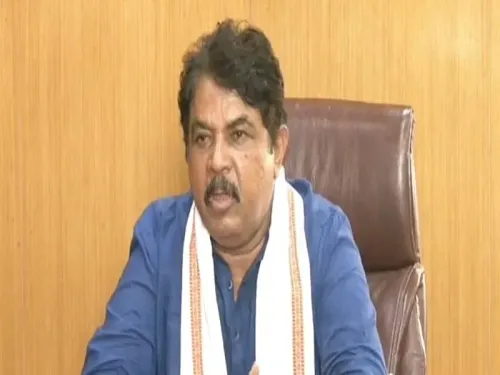
Leader of Opposition R.
Ashoka said the party has held four to five meetings and appointed in-charges for every Assembly constituency.
BJP alleged that Congress MLAs ' constituencies received significantly more development funds than those of BJP MLAs .
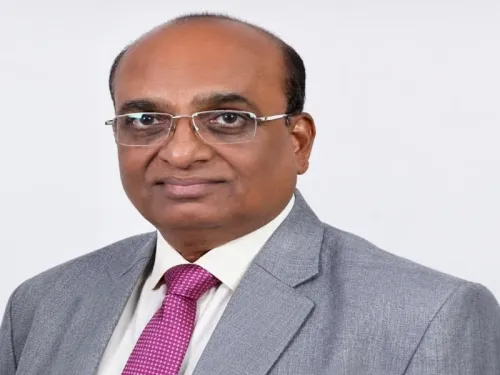
Former Deputy CM C.N.
Ashwath Narayan accused the government of raising revenues via higher taxes while under-investing in Bengaluru's infrastructure.
BJP demanded the government release constituency-wise fund allocation data for the last 15 years .
The party aims to win all municipal corporations under the proposed GBA framework.
Karnataka BJP on Tuesday, 30 June declared full preparedness for elections to the proposed Greater Bengaluru Authority (GBA), even as the party's senior leaders accused the Congress government of systematically discriminating against BJP legislators in the allocation of development funds across the city's constituencies.
BJP Gears Up for GBA Elections
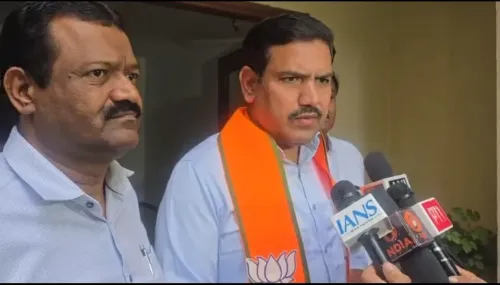
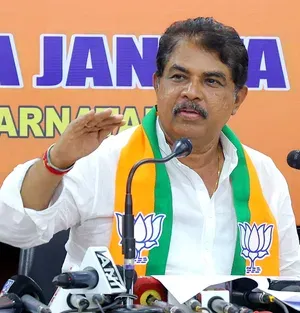
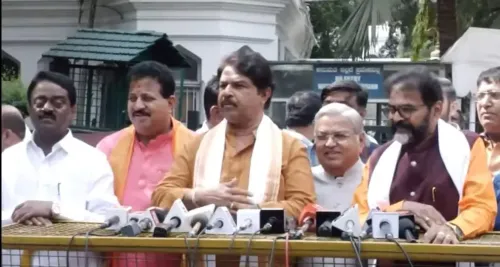
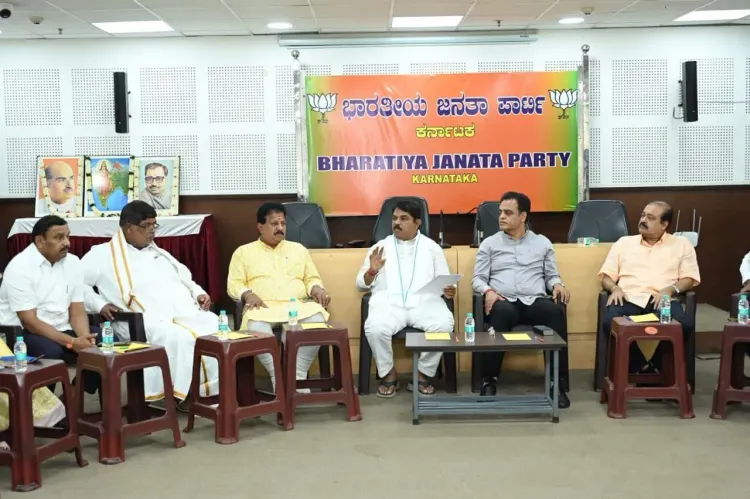
Leader of the Opposition in the Karnataka Assembly, R. Ashoka, addressed reporters following a meeting of BJP leaders appointed as election in-charges for the GBA polls at the party's state headquarters in Bengaluru. He said preparations were well underway despite no clarity on the election timeline.
'It is not clear whether the Congress government will conduct the Greater Bengaluru Authority elections or not. But the BJP is ready for the elections and has already begun the necessary preparations,' Ashoka said.
He confirmed that the party had held four to five internal meetings already, with appointed in-charges tasked to visit every Assembly constituency to oversee electoral roll revision, assess local concerns, and hold discussions on prospective candidates. A dedicated committee will also be formed to draft the party's manifesto for the GBA polls.
Allegations of Fund Discrimination
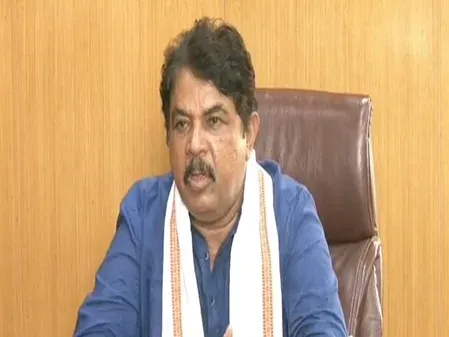
Ashoka alleged that constituencies represented by Congress MLAs had received significantly higher development allocations compared to those held by BJP MLAs. He called on the government to publicly release constituency-wise fund allocation data spanning the last 15 years so voters could assess the disparity themselves.
'The Congress came to power promising to build a ‘Brand Bengaluru’, but nothing has happened. Instead, it has discriminated while allocating funds. Constituencies represented by Congress MLAs have received crores of rupees, while constituencies represented by BJP MLAs have been given much less,' he alleged.
He also warned that if election dates were announced soon, the Model Code of Conduct would stall ongoing infrastructure projects, delaying fresh tenders and execution.
Ashwath Narayan Joins the Attack
Former Karnataka Deputy Chief Minister and BJP MLA C.N. Ashwath Narayan echoed these charges, alleging that the Congress government had failed comprehensively on Bengaluru's development and had adopted a discriminatory approach in disbursing grants.
'The Congress government has not allocated sufficient funds for Bengaluru's development. It has discriminated in the allocation of grants by giving more funds to Congress MLAs and less to BJP MLAs. This discrimination must stop,' Ashwath Narayan said.
He further alleged that despite collecting higher revenues through increased garbage tax, property tax, advertisement fees, electricity tariffs, and higher charges by the Bengaluru Water Supply and Sewerage Board (BWSSB), the government had failed to channel adequate funds back into the city's infrastructure.
BJP's Broader Critique of Congress Rule
Ashoka alleged that Bengaluru had been neglected for the past three years under the Congress government, with unresolved garbage management issues, pothole-ridden roads, and a pattern of tax hikes without corresponding development. He claimed that major projects — including the Kempegowda International Airport expansion, Metro network growth, and the Yettinahole drinking water project — were initiated under BJP rule, while the Congress had little to show by comparison.
He also accused the Congress of sidestepping development debates in favour of ideological positioning. 'They speak more about the RSS than development. If Congress has confidence in its performance, it should debate development,' Ashoka claimed.
What Comes Next
The GBA elections remain unscheduled, and the Congress government has not yet indicated a timeline. The BJP's mobilisation signals that civic politics in Bengaluru is heating up, with the party aiming to capture all municipal corporations under the proposed GBA framework. How the Congress responds to the fund-discrimination allegations — particularly whether it releases constituency-wise data — is likely to shape the political narrative ahead of the polls.
Point of View
It hands voters a concrete grievance ahead of civic polls. The Congress, meanwhile, faces a dual bind — releasing the data risks confirming the disparity, while refusing to release it sustains the narrative. Bengaluru's civic governance record, from garbage to potholes to water charges, gives the opposition fertile ground. The real question is whether BJP can translate organisational readiness into a credible urban governance pitch, or whether this remains a protest campaign without a positive agenda.
NationPress
29 Sept 2026
Frequently Asked Questions
What is the Greater Bengaluru Authority (GBA) and when are its elections?
The Greater Bengaluru Authority is a proposed unified civic body for Bengaluru that would consolidate multiple municipal corporations. As of 30 June, no election date has been announced by the Karnataka government, though the BJP says it is already preparing for the polls.
What did R. Ashoka allege about Congress fund allocation?
Leader of Opposition R. Ashoka alleged that the Congress government allocated significantly more development funds to constituencies represented by Congress MLAs while giving far less to BJP MLA constituencies. He demanded the government release constituency-wise allocation data for the past 15 years.
What is C.N. Ashwath Narayan's role in the BJP's GBA campaign?
Former Karnataka Deputy Chief Minister and BJP MLA C.N. Ashwath Narayan has backed the party's allegations of fund discrimination and accused the Congress of failing Bengaluru's development despite collecting higher revenues through increased taxes and utility charges.
How is the BJP preparing for the GBA elections?
The BJP has appointed election in-charges for every Assembly constituency under the GBA, held four to five internal meetings, tasked in-charges with electoral roll revision and candidate assessment, and plans to form a committee to draft the party's election manifesto.
Why does the BJP say election timing could hurt Bengaluru's development?
The BJP has warned that if election dates are announced soon, the Model Code of Conduct would freeze ongoing infrastructure projects, delaying fresh tenders and execution of development works across the city.