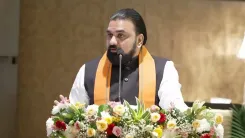
BJP eyes Karnataka govt in 2028, new in-charge Harish Dwivedi targets Congress
Synopsis
The BJP has formally kicked off its 2028 Karnataka election campaign — and its newly appointed in-charge Harish Dwivedi didn't waste his first visit. From attacking the Congress over a ₹8-per-litre milk price hike to meeting B.S. Yediyurappa for strategic guidance, Dwivedi's Bengaluru trip is a clear signal that the party intends to mount a systematic challenge well before polling day.
Key Takeaways
BJP National General Secretary Harish Dwivedi confirmed on 3 November 2026 the party's resolve to form the government in Karnataka in 2028 .
Dwivedi alleged the Congress government had neglected public welfare and was involved in corruption over the past three-and-a-half years .
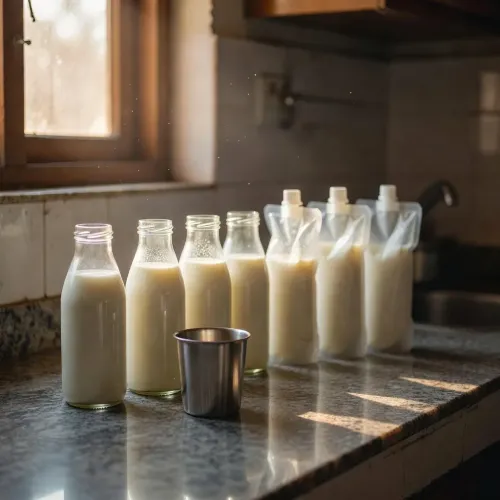
He targeted the recent milk price hike of around ₹8 per litre and an increase in curd prices as evidence of Congress's indifference to ordinary citizens.
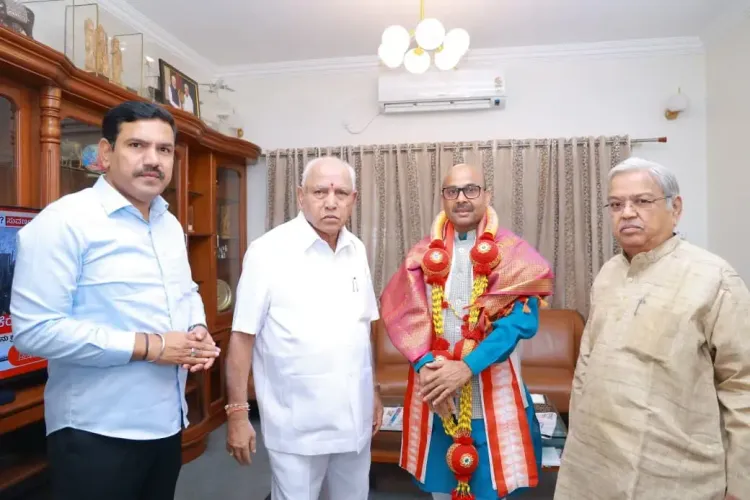
Dwivedi met former Chief Minister B.S.
Yediyurappa for guidance and attended core committee meetings with state president B.Y.
The BJP-JD(S) alliance remains in place, with decisions on its structure to be taken by senior party leadership.
BJP-NDA recently won all four Karnataka Legislative Council seats by large margins, which Dwivedi cited as a positive momentum signal.
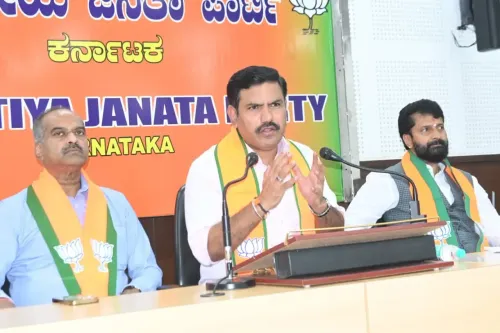
BJP Karnataka in-charge and National General Secretary Harish Dwivedi on Tuesday, 3 November 2026, declared that the Bharatiya Janata Party (BJP) would work collectively to reclaim power in Karnataka in the 2028 assembly elections. Speaking to reporters in Bengaluru on his first official visit in the newly assigned role, Dwivedi laid out a combative roadmap against the ruling Congress government while also signalling continuity of the BJP-JD(S) alliance.
Congress Accused of Corruption and Neglect
Dwivedi launched a sharp offensive against the Congress administration, alleging that over the past three-and-a-half years the government had neglected the concerns of ordinary citizens while being mired in corruption. He claimed that voters were increasingly aware of how Congress leaders, MLAs, MPs, and ministers were allegedly looting the state.
He specifically targeted the recent hike in essential commodity prices, alleging that milk prices had been raised by around ₹8 per litre and curd prices had also been increased. Critics argue such price hikes disproportionately burden lower-income households, and Dwivedi framed them as evidence that Congress was focused solely on protecting its leaders and the interests of the Gandhi family rather than public welfare.
Dwivedi's First Visit as Karnataka In-Charge
Noting that this was his inaugural visit to the state in his new capacity, Dwivedi said he had attended meetings of state office-bearers and the party's core committee alongside state president B.Y. Vijayendra on Monday. He described the sessions as introductory discussions aimed at understanding the party's organisational structure and identifying steps to make the organisation more active ahead of the election cycle.
On Tuesday, he met senior BJP leader, former Chief Minister, and party Parliamentary Board member B.S. Yediyurappa to seek his guidance. Dwivedi credited Yediyurappa's leadership with enabling the BJP to function effectively in Karnataka both in government and in opposition over several years, and said they discussed strategies for collectively countering what he termed Congress's misrule.
Electoral Roll Revision and EVM Row
Responding to questions on the Special Intensive Revision (SIR) of electoral rolls, Dwivedi defended the exercise, asserting it was not exclusive to Prime Minister Narendra Modi's tenure. He pointed out that SIR had been conducted periodically from the era of Pandit Jawaharlal Nehru through Indira Gandhi, and was designed to remove deceased voters, correct address changes, and eliminate duplicate entries.
Dwivedi also took aim at the Congress's pattern of questioning constitutional bodies after electoral defeats, alleging the party routinely blamed the Election Commission of India (ECI), Electronic Voting Machines (EVMs), and the Supreme Court instead of introspecting. He alleged Congress placed the Gandhi family above constitutional institutions — a charge the party has consistently denied.
Recent Council Wins and Alliance Status
Dwivedi pointed to the BJP-NDA's recent sweep of all four Karnataka Legislative Council seats as evidence of a shift in voter sentiment. He argued the victories — secured by large margins and backed by teachers and graduates — sent a clear message about the public's mood ahead of 2028.
On the BJP-JD(S) alliance, he confirmed that it remained intact and was progressing well, but said decisions on its future structure would be taken by the party's senior leadership. He also vouched for Vijayendra, calling him a capable young leader under whose guidance the party organisation was moving forward. Senior leaders including MP Govind Karjol were also present at the press interaction.
What to Watch Next
With Karnataka's next assembly election due in 2028, Dwivedi's visit signals the BJP is beginning its organisational groundwork well ahead of schedule. The party's ability to convert its recent council victories into a broader rural and urban mobilisation drive will be closely watched, particularly as it looks to challenge a Congress government that still has time to course-correct on governance and price-rise concerns.
Point of View
Given that 2023's Karnataka loss still stings. But the party faces a structural challenge: its state leadership under Vijayendra has yet to consolidate the grassroots machine that Yediyurappa built, and the four Legislative Council seats, won in a lower-stakes exercise, are a thin base to project from. The Congress, for its part, has given the BJP genuine ammunition on prices and governance — but it also has nearly two years to course-correct. The real question is whether the BJP can translate elite-level coordination between Dwivedi, Vijayendra, and Yediyurappa into ward-level reach before 2028.
NationPress
3 Nov 2026
Frequently Asked Questions
What did BJP Karnataka in-charge Harish Dwivedi say about the 2028 election?
Harish Dwivedi said the BJP would work collectively with the resolve to form the party's government in Karnataka in the 2028 assembly elections. He made the declaration on 3 November 2026 during his first visit to the state in his new role as Karnataka in-charge and National General Secretary.
What allegations did Harish Dwivedi make against the Karnataka Congress government?
Dwivedi alleged that the Congress government had neglected the problems of ordinary people and was involved in corruption over the past three-and-a-half years. He specifically criticised the hike in milk prices by around ₹8 per litre and an increase in curd prices, and alleged Congress was focused on protecting the Gandhi family's interests rather than public welfare.
What is the status of the BJP-JD(S) alliance in Karnataka?
Dwivedi confirmed that the BJP-JD(S) alliance in Karnataka is currently in place and progressing well. He clarified that decisions on the alliance's future structure would be taken by the party's senior leadership and that he was not authorised to make any announcement on the matter.
Why did Harish Dwivedi meet B.S. Yediyurappa during his Karnataka visit?
Dwivedi met former Chief Minister and BJP Parliamentary Board member B.S. Yediyurappa to seek his guidance on strengthening the party's position in Karnataka. He credited Yediyurappa with having built the BJP's effective organisational and governance track record in the state over several years.
What is the Special Intensive Revision (SIR) of electoral rolls and why is it in the news?
SIR is a periodic exercise by the Election Commission of India to clean up electoral rolls by removing deceased voters, correcting changed addresses, and eliminating duplicate entries. Dwivedi defended it as a longstanding practice dating back to the Nehru era, pushing back against Congress criticism that it is being misused during the current government's tenure.