Should JNVs and PM-SHRI Schools Be Established Before SC Deadline?

Synopsis
The Tamil Nadu BJP is pressing for the quick establishment of JNVs and PM-SHRI Schools in response to a Supreme Court directive. This initiative aims to enhance educational opportunities for rural children in the state, marking a pivotal moment for social equity in education.
Key Takeaways
Immediate action required by Tamil Nadu government to establish JNVs and PM-SHRI Schools.
Supreme Court directive sets a deadline of December 15 for compliance.
Focus on rural education to provide equal opportunities for all.
Constitutional obligation to uphold educational rights.
Support from neighboring states shows feasibility of JNVs without language issues.
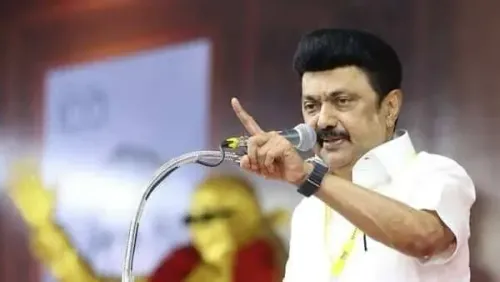
Chennai, Dec 3 (NationPress) The BJP of Tamil Nadu has urged Chief Minister M. K. Stalin to promptly take action towards the formation of Jawahar Navodaya Vidyalayas (JNVs) and PM-SHRI Schools in the state, in light of the Supreme Court's ruling dated December 1.
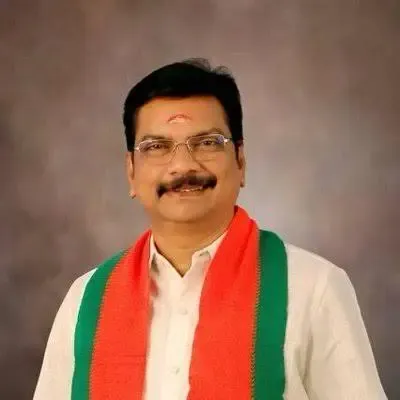
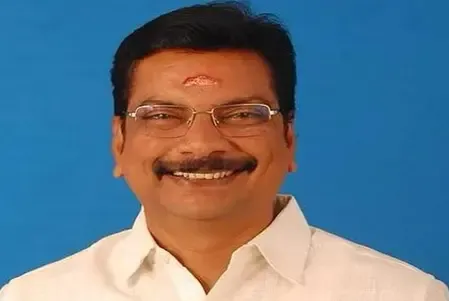
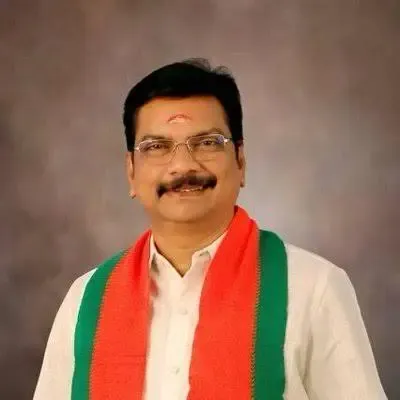
In a comprehensive representation delivered to the Chief Minister, party spokesperson A.N.S. Prasad emphasized that the state now has a vital 15-day opportunity to rectify what he termed a 38-year-long denial of equitable educational access for rural children.
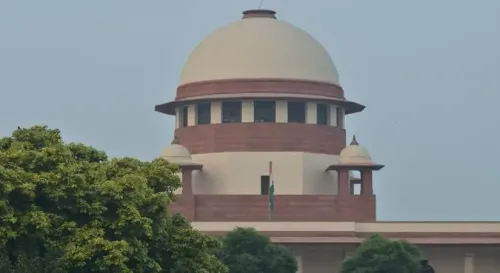
Prasad pointed out that a Bench led by Justices B.V. Nagarathna and K.V. Viswanathan has mandated both Union and State governments to engage in substantial consultations and submit a compliance report by December 15.
"The Supreme Court has eliminated all procedural barriers. It is now the responsibility of the Tamil Nadu government to uphold the rights of 1.2 crore rural children," he asserted.
The letter underscores the constitutional foundation for establishing JNVs, highlighting that education is part of the Concurrent List, and that the Union government holds full financial accountability for the establishment and operation of these schools.
The state's obligations are confined to providing 10–15 acres of land, along with essential infrastructure like roads and electricity—requirements that other states have already satisfied.
With 662 JNVs currently operating across India, they are celebrated for outstanding academic performance, including 100 percent pass rates in CBSE exams and notable achievements in national-level competitive exams.
With about 90 percent of seats reserved for rural students and specific quotas for Scheduled Communities and female students, the BJP contends that JNVs are among the most effective mechanisms for social justice.
Addressing apprehensions regarding the potential imposition of Hindi, the representation refers to the Navodaya Vidyalaya Samiti guidelines, which ensure that regional languages, including Tamil, are used as the medium of instruction in lower grades, with Tamil available as a mandatory or optional language in higher grades.
The BJP also highlighted that neighboring states like Kerala, Karnataka, Andhra Pradesh, and Telangana successfully operate numerous JNVs without language-related issues. The appeal also advocates for the inclusion of at least 500 government schools in the initial phase of the PM-SHRI scheme, which aims to enhance existing State-board schools through a 60:40 Centre–State funding model without modifying the Tamil Nadu syllabus or Tamil medium instruction.
Describing this as a historic opportunity, the BJP called on the Chief Minister to establish a high-level committee, identify land in ten economically backward districts for the first phase of JNVs, notify schools for the PM-SHRI scheme, and submit an Action Taken Report to the Supreme Court by December 15.
Prasad concluded by stating that Tamil Nadu must prioritize its constitutional duty and the future of its children above all other considerations.
Point of View
The establishment of JNVs and PM-SHRI Schools is pivotal in addressing educational disparities in Tamil Nadu. It's essential for the state to uphold its constitutional duties while ensuring that every child has access to quality education, reflecting a commitment to social justice and equality.
NationPress
7 Oct 2026
Frequently Asked Questions
What are Jawahar Navodaya Vidyalayas?
Jawahar Navodaya Vidyalayas (JNVs) are a system of schools in India that aim to provide quality education to rural children, promoting social justice and equality.
What is the PM-SHRI scheme?
The PM-SHRI scheme is an initiative to upgrade existing state board schools through a funding model that ensures quality education without changing the local syllabus.
Why is the Supreme Court involved?
The Supreme Court issued a directive mandating the establishment of JNVs and PM-SHRI Schools to ensure equal educational opportunities for all children, particularly in rural areas.
What is the role of the Tamil Nadu government?
The Tamil Nadu government is responsible for providing land and basic infrastructure for the establishment of JNVs and implementing the PM-SHRI scheme.
How can this initiative impact rural education?
This initiative has the potential to significantly enhance educational access and quality for rural children, thereby improving their future prospects.