How is Adani Electricity Leveraging Machine Learning for Fair Power?
Synopsis
Discover how Adani Electricity is revolutionizing its power supply system with cutting-edge machine learning technologies. The company’s innovative approach not only curbs electricity theft but also enhances customer trust and governance. Explore the remarkable impact of this initiative on both consumers and the energy sector.
Key Takeaways
Advanced Machine Learning technology implemented for theft detection.
Identified 5.0 million units of electricity theft, saving millions.
Focus on protecting genuine customers from illegal usage.
Improved governance through comprehensive theft analysis.
Data-driven approach enhances operational efficiency.
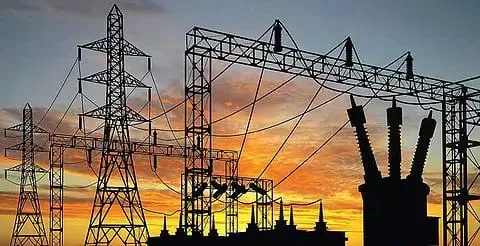
Mumbai, Dec 3 (NationPress) Adani Electricity announced on Wednesday that it has reinforced its dedication to providing equitable and dependable power by implementing sophisticated theft detection and revenue safeguarding modules utilizing Machine Learning (ML) and meter data technologies throughout its distribution network.
This initiative aims to combat electricity theft, safeguard legitimate customers, and improve governance for a transparent and efficient power framework.
The company introduced a Machine Learning-based theft prediction module in January.
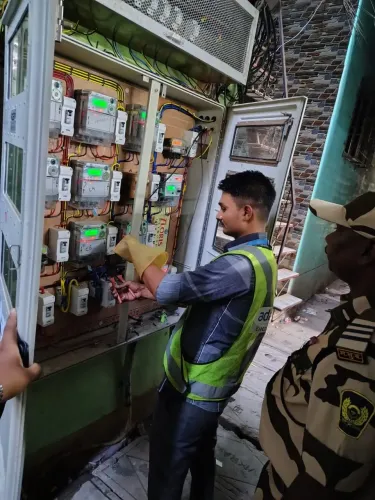
Since its deployment, the technology has identified electricity theft amounting to 5.0 million units (MUs), which is valued at Rs 8.59 crore, according to a statement from Adani Electricity.
In a notable case, the system detected a direct supply theft at an electroplating facility in Malad (W), involving 0.4 MU valued at Rs 87 lakh. These advanced tools facilitate quick, data-driven interventions, ensuring fairness and protecting honest consumers from the ramifications of illegal usage, as stated by the company.
Vigilance operations have been strategically concentrated on high-risk regions, informed by surveillance and reliable intelligence, while the integration of the Machine Learning module has bolstered governance through extensive theft analysis.
“We are dedicated to utilizing advanced technologies to guarantee a reliable and secure power supply,” commented an Adani Electricity spokesperson.
“The incorporation of machine learning has improved theft detection, enhanced governance, and shielded legitimate customers from the effects of illegal usage, which aligns with our vision for a smarter, sustainable energy future,” the spokesperson added.
The system powered by the Machine Learning module automates data analysis, identifies pattern-based anomalies, and accelerates the identification of theft.
By scrutinizing customer profiles and consumption trends, it effectively flags potential cases, allowing for quicker response times, targeted inspections, and informed decision-making.
This data-driven methodology not only strengthens enforcement but also minimizes operational costs, ensuring fairness and reliability for consumers, as per the company.
Point of View
Adani Electricity's advancements in machine learning represent a vital step towards a more equitable energy landscape. By prioritizing the protection of genuine customers and enhancing governance, the company showcases a commitment to innovation that resonates with national interests. The integration of technology not only addresses current challenges but also paves the way for sustainable energy solutions.
NationPress
27 Sept 2026
Frequently Asked Questions
What is the purpose of Adani Electricity's new machine learning technology?
The new machine learning technology aims to detect and prevent electricity theft, protect legitimate customers, and improve governance within the power distribution network.
How much electricity theft has been detected since the implementation of the technology?
Since the technology's rollout in January, it has detected electricity theft totaling 5.0 million units, valued at Rs 8.59 crore.
What impact does this technology have on consumers?
This technology ensures fairness by protecting honest consumers from the financial burden of electricity theft and enhances the overall reliability of the power supply.
How does the machine learning system identify potential theft cases?
The system analyzes customer profiles and consumption patterns to accurately flag potential theft cases, enabling quicker responses and targeted inspections.
What is the broader vision of Adani Electricity regarding energy supply?
Adani Electricity envisions a smarter, sustainable energy future that leverages advanced technologies to ensure a reliable and secure power supply for all.