Is the Drama Justified? BJP Leader Critiques Mamata Banerjee's SC Petition on SIR
Synopsis
BJP leader Dilip Ghosh questions West Bengal's CM Mamata Banerjee over her petition against the electoral roll's Special Intensive Revision, describing it as dramatic and legally unsound. As the Supreme Court hearing looms, Ghosh highlights issues of oppression faced by women and the Hindu community in Bengal.
Key Takeaways
Dilip Ghosh criticizes Mamata Banerjee 's petition as dramatic.
The Supreme Court is set to hear the challenge against the SIR.
Concerns raised about voter disenfranchisement.
Accusations of targeting marginalized communities.
Political tensions are escalating in West Bengal.
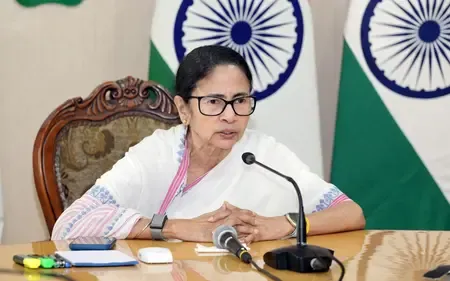
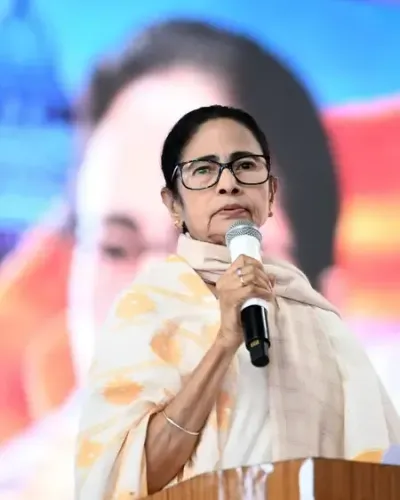
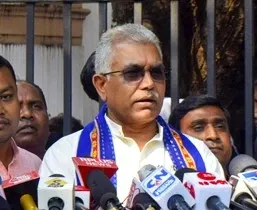
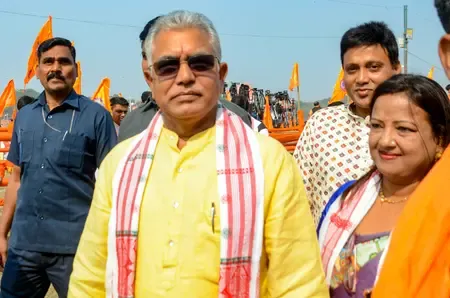
New Delhi, Feb 9 (NationPress) BJP leader Dilip Ghosh sharply criticized West Bengal's Chief Minister Mamata Banerjee on Monday regarding her petition that contests the Special Intensive Revision (SIR) of electoral rolls in the upcoming elections, branding her actions as “dramatic” and asserting that the state's legal arguments are fundamentally flawed.
“If Mamata Banerjee is so confident in her ability to secure a victory in court, then she should proceed. However, what is the purpose of resorting to such theatrics? The more the government approaches the Supreme Court, the more it faces defeat, as they present unfounded arguments. Numerous cases are currently being heard against Mamata Banerjee's administration in various courts due to their failure to deliver justice or make timely decisions, leading citizens to seek legal recourse,” Ghosh stated in an interview with IANS.
He further accused the ruling party in West Bengal of targeting vulnerable groups, including women, opposition members, and the Hindu community.
“In rural Bengal, women are suffering, and opposition activists face oppression. The Hindu community is under threat. Historically, we have witnessed the exodus of Hindus from Bangladesh and Pakistan following the partition, and later from Kashmir. Currently, in Bengal, Hindus are being forced to leave regions such as Murshidabad for Malda. What measures should Hindus take to protect themselves?” he questioned.
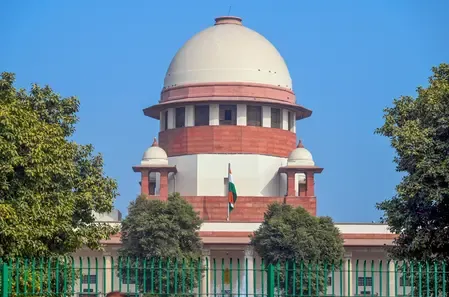
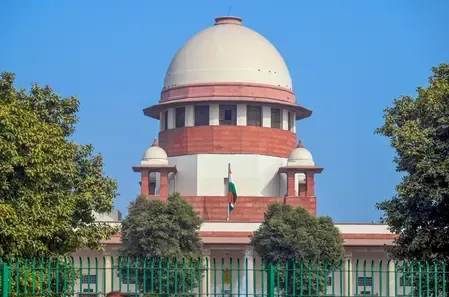
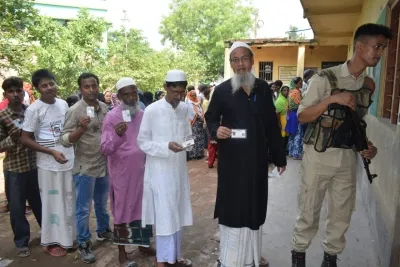
These statements emerge ahead of the Supreme Court's hearing on Monday regarding CM Banerjee's challenge to the ongoing SIR process. The Chief Minister has raised concerns about the legality of the revision, suggesting that the Election Commission of India (ECI) is operating with a political agenda and warning that the voter revision could result in the disenfranchisement of millions, especially among marginalized populations.
Banerjee has requested temporary orders from the apex court to prevent the ECI from removing any voter names during the SIR procedure, particularly those categorized under “logical discrepancy”. During the last court session, the Supreme Court had issued a notice to the ECI and scheduled further discussions for Monday.
Ghosh's comments highlight the escalating political tensions in Bengal as the Assembly elections approach, revealing a profound divide regarding voter registries, administrative actions, and community issues within the state.
Point of View
It’s essential to approach this situation with balance. The political rivalry in West Bengal is intensifying, highlighting community concerns and the legitimacy of electoral processes. Both parties have valid points, yet the focus must remain on ensuring fair representation and justice for all citizens.
NationPress
3 Oct 2026
Frequently Asked Questions
What is the Special Intensive Revision (SIR)?
The Special Intensive Revision (SIR) is a process conducted by the Election Commission to update electoral rolls, ensuring they accurately reflect eligible voters in an upcoming election.
Why did Mamata Banerjee challenge the SIR?
Mamata Banerjee has expressed concerns that the SIR could lead to the deletion of many voters, particularly from marginalized communities, and has alleged political bias from the Election Commission.
What accusations did Dilip Ghosh make against the West Bengal government?
Dilip Ghosh accused the West Bengal government of targeting women, opposition activists, and the Hindu community, stating there is widespread oppression occurring in rural areas.
What are the implications of the Supreme Court's involvement?
The Supreme Court's involvement may determine the legality of the SIR process and could impact the electoral landscape in West Bengal, particularly regarding voter representation.
How does this political tension affect the upcoming elections?
The escalating political tension suggests a polarized environment in West Bengal, which could influence voter turnout and the overall electoral outcome.