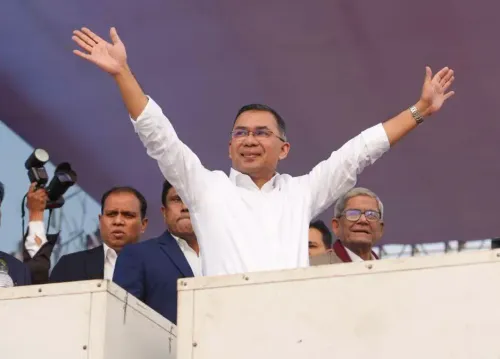
Are Business Leaders Dominating the New BNP Cabinet in Bangladesh?
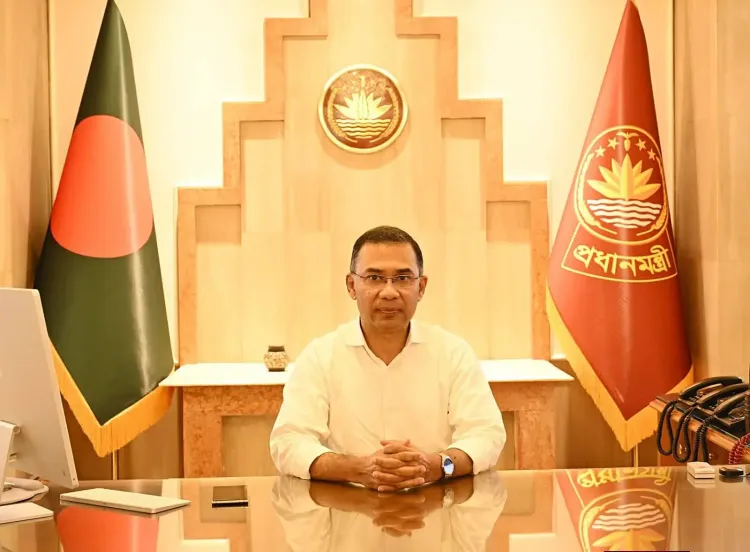
Synopsis
In a surprising turn of events, the newly formed cabinet of Bangladesh, led by the BNP under Tarique Rahman, has a staggering 70% representation from business leaders. This shift raises important questions about governance, conflict of interest, and economic implications for the nation.
Key Takeaways
70% of the new cabinet comprises business leaders.
Concerns about conflicts of interest among ministers.
Only 2 cabinet members identified as politicians.
Majority of MPs are millionaires.
Potential impact on governance and market practices.
Dhaka, Feb 22 (NationPress) Following the decisive victory of the Tarique Rahman-led Bangladesh Nationalist Party (BNP) in the 13th Parliamentary elections, it has been reported that business professionals comprise a remarkable 70 percent of the newly established cabinet. Out of 50 ministers and state ministers, 35 have identified business as their primary occupation, according to affidavits submitted to the Election Commission (EC).
Analysis of the submitted affidavits from the Prime Minister, ministers, and state ministers indicates that 19 cabinet ministers and 16 state ministers have declared themselves as businesspersons. Lawyers form the second-largest professional category within the cabinet, alongside those with diverse occupational backgrounds.
Despite their extensive political experience, only two members of the cabinet—Prime Minister Tarique Rahman and Education Minister ANM Ehsanul Haque Milon—have labeled “politics” as their profession, as most others cited business or different careers, as reported by the prominent daily Dhaka Tribune.
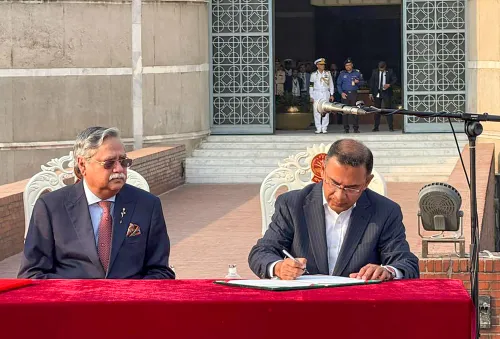
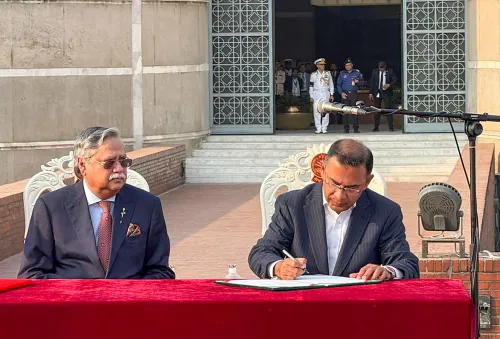
On February 17, 25 ministers, including two appointed under the technocrat category, took their oaths at the South Plaza of the National Parliament in Dhaka.
In this context, Iftekharuzzaman, Executive Director of Transparency International Bangladesh (TIB), emphasized that the excessive representation of business leaders in the cabinet could lead to potential conflicts.
“If ministers do not maintain neutrality in cabinet decisions and ministry activities, their roles could become tools for personal business gains. They must avoid participating in decisions that might directly or indirectly favor their own businesses or industries,” Dhaka Tribune quoted Iftekharuzzaman as stating.
He cautioned that ignoring these standards could undermine fair market practices and burden citizens with adverse effects.
Reports suggest that the prevalence of business leaders goes beyond just the cabinet. Among the 300 Members of Parliament elected in the 13th parliamentary election, 174 (or 59 percent) identified business as their profession, with at least 15 connected to the garment industry either as owners or family members.
The BNP secured 209 seats, with 145 of its victorious candidates claiming business backgrounds, while Jamaat-e-Islami, which obtained 68 seats, includes 20 MPs from business sectors.
Last week, during a press conference in Dhaka, TIB researcher Mohammad Touhidul Islam released a study titled 'Thirteenth National Parliament Election Process and Affidavit-Based Observation', which outlines the assets, liabilities, and professional backgrounds of the newly elected Members of Parliament.
According to TIB's findings, 236 of the newly elected MPs are millionaires, constituting 79.46 percent of the total Members of Parliament, with 13 of them being billionaires, as reported by Bangladesh's leading Bengali daily Bonik Barta.
The data indicates that among the BNP lawmakers, 189 are millionaires, making up 90.87 percent of the party's newly elected Members of Parliament, while Jamaat has 38 millionaires, accounting for 55.07 percent of its parliamentary representation.
Point of View
It is essential to recognize the profound implications of the BNP's cabinet composition. The rise of business leaders within the government presents both opportunities and challenges. While their expertise can drive economic growth, vigilance against conflicts of interest must be paramount to ensure that governance remains transparent and accountable.
NationPress
19 Sept 2026
Frequently Asked Questions
What percentage of the new BNP cabinet comprises business leaders?
Approximately 70 percent of the newly formed BNP cabinet consists of business leaders.
How many ministers and state ministers are in the new cabinet?
The new cabinet includes 50 ministers and state ministers.
What concerns have been raised regarding the cabinet's composition?
Concerns have been raised regarding potential conflicts of interest, as many ministers are also business owners.
Who are the prominent political figures in the new cabinet?
The prominent figures include Prime Minister Tarique Rahman and Education Minister ANM Ehsanul Haque Milon.
What is the significance of the TIB's findings on MPs' wealth?
The TIB's findings reveal that a significant number of MPs are millionaires, raising questions about wealth disparities and governance.