Are Border Clashes with Afghanistan Causing Increased Militant Attacks in Pakistan?
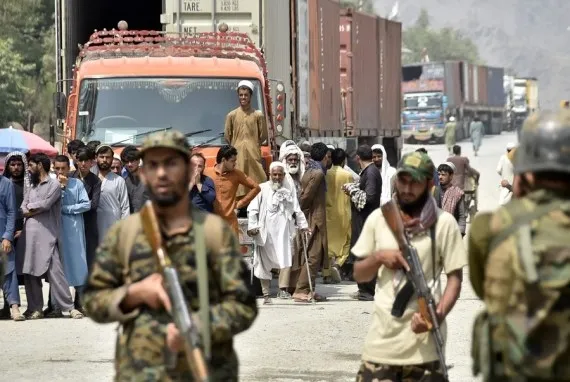
Synopsis
Recent border clashes between Pakistan and Afghanistan have led to a surge in militant activity within Pakistan, resulting in a worrying rise in casualties. Experts warn that this escalating conflict may threaten Pakistan's economic stability and security. Discover the implications of these tensions and their potential impact on the region's future.
Key Takeaways
The border clashes with Afghanistan have significantly increased militant activity in Pakistan.
Over 3,000 fatalities have been reported due to violence in 2025.
Experts warn of severe economic repercussions for Pakistan due to ongoing military tensions.
The Taliban has been accused of backing the militant attacks inside Pakistan.
Increased military spending is being approved by Pakistan's Finance Ministry to address these threats.
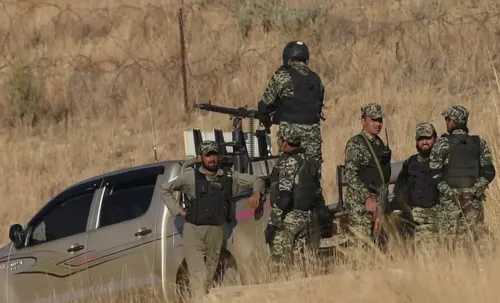
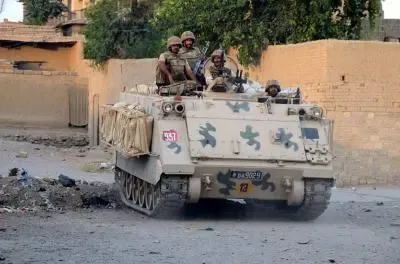
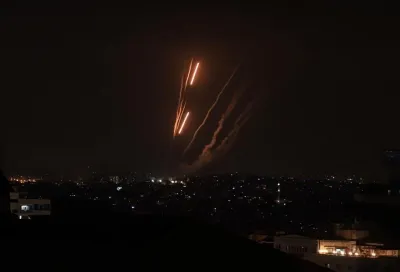
Islamabad/Kabul, Jan 1 (NationPress) The recent clashes along the Pakistan-Afghanistan border have led to a significant increase in militant activities within Pakistan, characterized by a surge in suicide bombings and assaults on security forces, as reported on Thursday.
According to the Islamabad-based think tank, Centre for Research and Security Studies (CRSS), at least 3,187 individuals, including both civilians and security personnel, lost their lives, while 1,981 sustained injuries in the initial eleven months of 2025. This represents a 25% rise in fatalities compared to the militant attacks recorded in 2024.
“The ongoing border tensions with Afghanistan are proving to be a costly affair for Pakistan, necessitating increased military expenditures not only for confronting its neighbor but also for addressing the escalating number of terror attacks domestically. In response, Pakistan’s Finance Ministry has approved several new requests for defense procurement and services amid heightened tensions on both eastern and western fronts this year. Experts have cautioned that the prolonged conflict with Afghanistan will only drain Pakistan further,” as detailed in a report by European Times.
The report indicates that Islamabad has accused Taliban-backed groups of perpetrating attacks within Pakistan, a claim that Kabul dismissed as misinformation, while countering that Pakistan utilizes the terror group Islamic State to destabilize Afghanistan’s sovereignty.
Islamabad has reported that the Tehrik-e-Taliban Pakistan (TTP), known as the Pakistan Taliban, has executed frequent assaults within the country since the Taliban regained power in Kabul.
“The recent airstrike by Pakistan within Afghanistan was a manifestation of Islamabad's frustration and inability to control TTP activities. The Taliban retaliated with intense gunfire across the border, resulting in substantial losses for Pakistan. Reports indicate that at least 44 Pakistani soldiers were killed due to gunfire from Afghanistan by mid-December, while the Taliban government claimed that the death toll reached 58 in October. Although the Taliban lacks the strength of Pakistan’s formidable armed forces, its guerrilla tactics pose a significant challenge to Islamabad,” the report elaborated.
“Drawing lessons from history, particularly from the Soviet and American experiences, we must avoid the mistake of deploying ground forces for prolonged military actions in Afghanistan,” stated former Pakistani diplomat Javid Husain.
Mir Mostafizur Rahaman, an expert in South Asian geopolitics, cautioned that the ongoing conflict could exacerbate Pakistan’s economic difficulties.
“Pakistan is at a critical juncture. The economy is struggling to stabilize under an IMF program, the rupee continues to depreciate, and inflation remains unrelentingly high. Any extended military engagement—even a low-intensity border conflict—could jeopardize its fragile recovery, diverting limited resources from development to defense,” European Times quoted Rahaman as saying.
Point of View
It is crucial to recognize the grave situation unfolding at the Pakistan-Afghanistan border. The persistent clashes not only threaten national security but also pose dire economic risks. It is imperative for Pakistan to adopt a strategic approach that prioritizes peace and stability in the region.
NationPress
19 Sept 2026
Frequently Asked Questions
What has caused the rise in militant attacks in Pakistan?
The recent border clashes with Afghanistan have escalated tensions and led to increased militant activities within Pakistan.
How many casualties have been reported due to these attacks?
At least 3,187 individuals, including civilians and security personnel, have been reported killed in the first 11 months of 2025.
What measures is Pakistan taking in response to the violence?
Pakistan's Finance Ministry has approved increased military spending to address the rising threat of terrorism.
How has Afghanistan responded to the accusations from Pakistan?
Afghanistan has rejected Pakistan's claims, accusing the country of using terror groups to destabilize its sovereignty.
What are the potential economic impacts of the ongoing conflict?
The prolonged conflict could exacerbate Pakistan's economic challenges, diverting resources from development to defense.