BRICS Summit and SEMICON India 2026 can boost India's semiconductor ambitions: IESA
Synopsis
India Electronics and Semiconductor Association President Ashok Chandak argues that the BRICS Summit and SEMICON India 2026 form a rare strategic pairing — one setting geopolitical direction, the other delivering industrial execution. If India plays it right, the two events could lock in its role as the Global South's chip design and manufacturing bridge at a moment when every major economy is scrambling to de-risk semiconductor supply chains.
Key Takeaways
IESA said on 13 September 2026 that the BRICS Summit and SEMICON India 2026 together can significantly strengthen India's semiconductor and electronics ecosystem.
IESA President Ashok Chandak said BRICS sets the strategic direction while SEMICON India showcases India's ability to deliver.
India's strengths in semiconductor design , engineering talent, and manufacturing ecosystem position it as a potential technology bridge for the Global South .
Key focus areas include chip design , semiconductor manufacturing, advanced packaging, technology standards, and resilient supply chains.
Greater BRICS collaboration in semiconductors could create new avenues for investment and industrial partnerships across member economies.
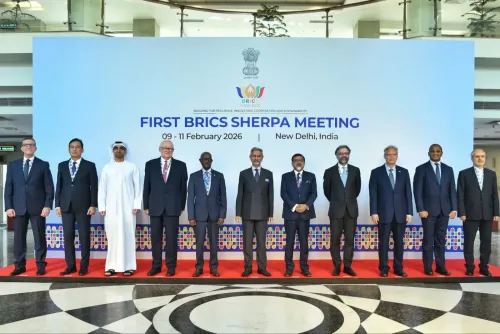
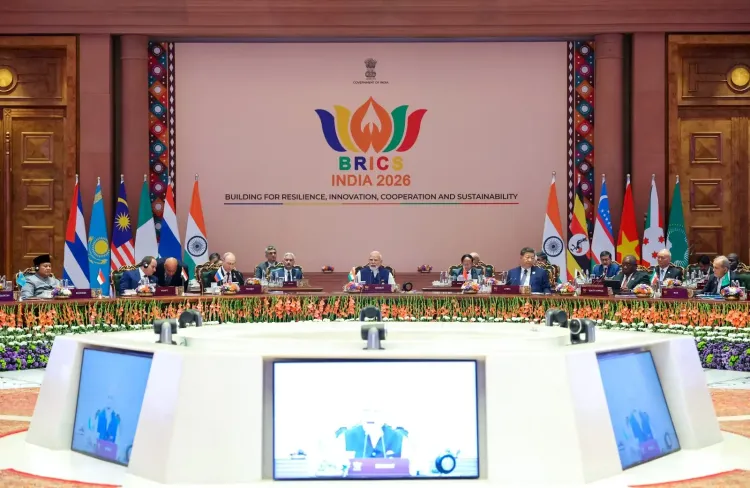
The recent BRICS Summit and the upcoming SEMICON India 2026 together present a pivotal opportunity for India to cement its standing in the global semiconductor and electronics ecosystem, the India Electronics and Semiconductor Association (IESA) said on Sunday, 13 September 2026. The industry body argued that the convergence of these two platforms could translate high-level geopolitical strategy into concrete industry partnerships and investment flows.
What IESA Said
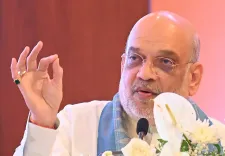
Ashok Chandak, President of IESA, said the timing of the two events was particularly significant. According to Chandak, the BRICS Summit has already underscored the urgent need for resilient technology supply chains, semiconductors, critical minerals, and frontier technologies, while SEMICON India 2026 can serve as the execution arm that converts those strategic priorities into measurable outcomes.
'For India, this is a unique opportunity to position itself as a trusted technology bridge and design engine for the Global South,' Chandak said. 'BRICS sets the strategic direction; SEMICON India showcases India's ability to deliver,' he added.
India's Competitive Edge in Semiconductors
Chandak highlighted India's existing strengths — deep semiconductor design capabilities, a large pool of engineering talent, and a rapidly expanding manufacturing ecosystem — as the foundation for a larger role in BRICS-led cooperation. He specifically pointed to areas such as chip design, semiconductor manufacturing, advanced packaging, technology standards, and resilient supply chains as domains where India could drive collaboration.
Notably, India has been aggressively building its semiconductor manufacturing base through the government's India Semiconductor Mission, with several fabrication and assembly, testing, marking and packaging (ATMP) projects already at various stages of approval and construction. The IESA's remarks come as global semiconductor supply chain diversification has become a top geopolitical priority following disruptions exposed during the pandemic.
BRICS Alignment and the Global South Opportunity
According to Chandak, greater collaboration among BRICS economies in the semiconductor and electronics sectors could help build more diversified technology supply chains while opening new avenues for investment and industrial partnerships. He emphasised that the convergence of the BRICS agenda with SEMICON India 2026 could reinforce India's role in developing a globally connected semiconductor ecosystem, particularly by deepening cooperation with countries across the Global South.
'Together, they can reinforce India's role in building a resilient, diversified and globally connected semiconductor and electronics ecosystem,' he noted.
What This Means Going Forward
The IESA's statement positions SEMICON India 2026 not merely as a trade event but as a strategic platform for India to operationalise its semiconductor diplomacy within the BRICS framework. With major economies — including the United States, Europe, Japan, and South Korea — all racing to secure chip supply chains, India's dual play of hosting SEMICON India and participating in BRICS could give it unusual leverage as a non-aligned manufacturing destination. Industry watchers will be closely monitoring whether the partnerships announced at SEMICON India 2026 translate into firm investment commitments and production timelines.
Point of View
Yet India's semiconductor fabrication capacity remains nascent — most approved projects are still years from full production. The BRICS angle is also double-edged: aligning semiconductor strategy too closely with a grouping that includes China risks complicating India's parallel deepening of tech ties with the US, Japan, and the EU under the Quad and the India-US iCET framework. The real test is whether SEMICON India 2026 generates binding investment commitments or remains a showcase of intentions. India has had no shortage of semiconductor announcements; what it needs now is execution.
NationPress
13 Sept 2026
Frequently Asked Questions
What is SEMICON India 2026 and why does it matter?
SEMICON India 2026 is an upcoming major semiconductor industry event designed to showcase India's capabilities in chip design, manufacturing, and advanced packaging, and to attract global investment into the sector. IESA says it can serve as the industrial execution platform that converts the strategic priorities identified at the BRICS Summit into concrete partnerships and investment commitments.
What did the BRICS Summit say about semiconductors?
The BRICS Summit underscored the need for resilient technology supply chains, semiconductors, critical minerals, and frontier technologies among member economies. IESA President Ashok Chandak said this creates a strategic opening for India to lead BRICS collaboration in chip design, manufacturing, and supply chain resilience.
What are India's strengths in the semiconductor sector?
According to IESA, India's key strengths include deep semiconductor design expertise, a large engineering talent pool, and a rapidly growing manufacturing ecosystem backed by the government's India Semiconductor Mission. These capabilities position India as a potential design and technology hub for the Global South.
Who is Ashok Chandak and what organisation does he represent?
Ashok Chandak is the President of the India Electronics and Semiconductor Association (IESA), the apex industry body representing companies across India's electronics and semiconductor value chain, including chip design, manufacturing, and electronics systems.
How does BRICS collaboration benefit India's semiconductor goals?
Greater BRICS cooperation in semiconductors could help India build more diversified and resilient technology supply chains, attract investment from member economies, and position itself as a trusted partner for Global South countries seeking alternatives to existing chip supply chain dependencies.