Buddha relics from Sanchi travel to Mongolia in PM Modi-backed cultural mission
Synopsis
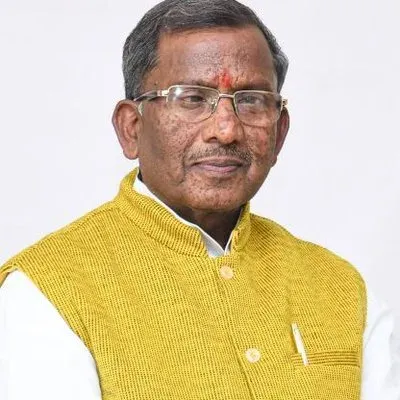
India is sending the sacred relics of Lord Buddha's two principal disciples from the UNESCO-listed Sanchi Stupa to Mongolia — a PM Modi-backed mission led by Assam Governor Lakshman Prasad Acharya. It is a rare exercise in civilisational diplomacy that positions India as the living custodian of global Buddhist heritage.
Key Takeaways
Assam Governor Lakshman Prasad Acharya departed for Mongolia on 30 May 2025 leading an Indian delegation with the Holy Relics of Arhant Sariputra and Arhant Maudgalyayana .
The relics originate from the Sanchi Stupa , a UNESCO World Heritage Site in Madhya Pradesh .
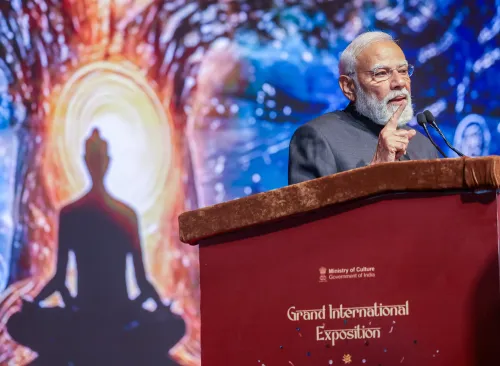
The exposition is organised by the Ministry of Culture, Government of India at the special instance of PM Narendra Modi .
The relics will remain in Mongolia until 9 June 2026 ; Governor Acharya returns to India on 3 June .
Thousands of Buddhist monks, devotees, and scholars from across Mongolia are expected to attend.
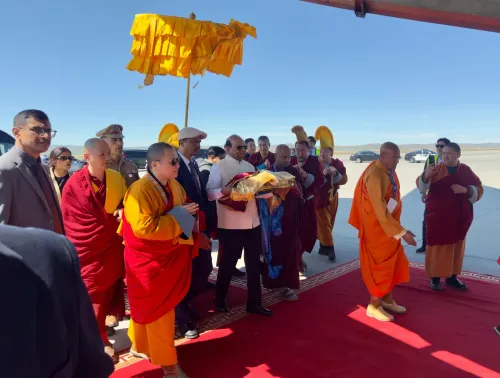
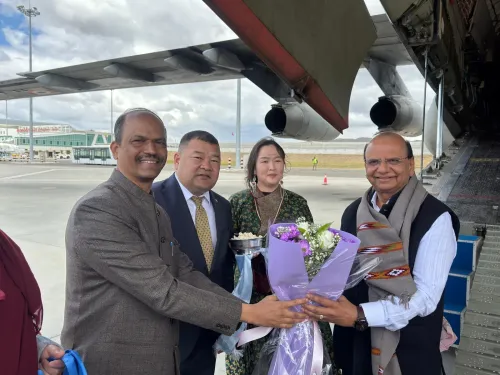
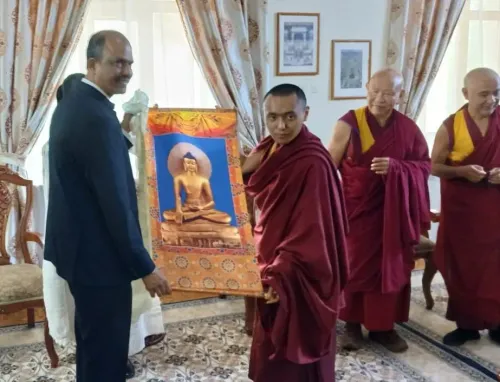
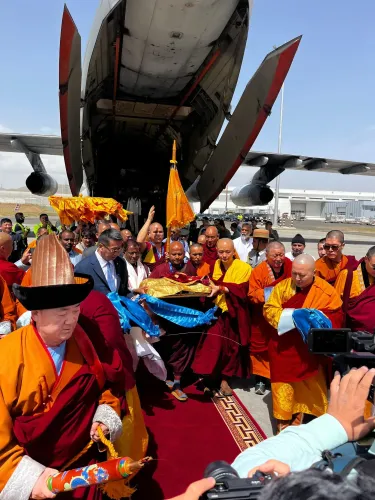
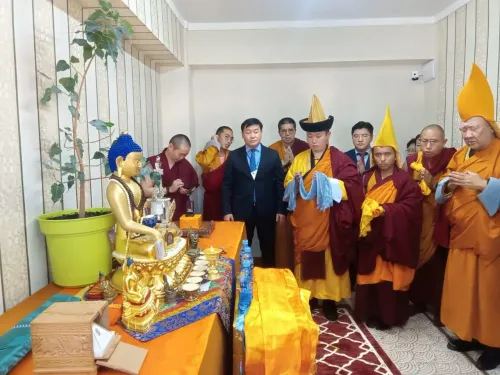
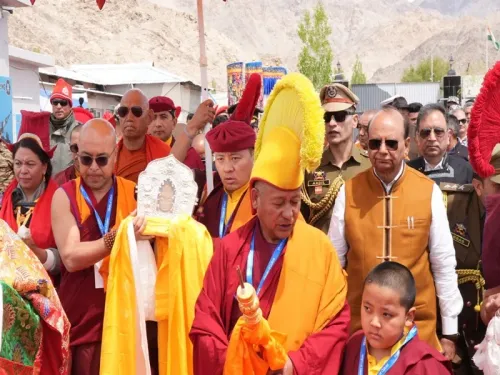
Assam Governor Lakshman Prasad Acharya is leading an Indian delegation carrying the Holy Relics of Lord Buddha's two principal disciples — Arhant Sariputra and Arhant Maudgalyayana — to Mongolia for a sacred exposition, officials confirmed on Friday, 29 May 2025. The initiative, backed at the special instance of Prime Minister Narendra Modi, is aimed at deepening the centuries-old spiritual and civilisational bonds between India and Mongolia.
The Relics and Their Origin
The sacred relics are ordinarily preserved at the Sanchi Vihar Chaitya in Madhya Pradesh, originating from the Sanchi Stupa — a UNESCO World Heritage Site and one of the most revered centres of Buddhist heritage in the world. They will be transported to Mongolia with full ceremonial honours and are scheduled to remain there until 9 June 2026.
Governor Acharya departed for Mongolia on 30 May, heading the Indian delegation entrusted with the relics. He is scheduled to return to India on 3 June, while the relics will continue their stay in Mongolia as part of the extended exposition programme.
Scope and Organisation of the Exposition
The exposition is being organised under the aegis of the Ministry of Culture, Government of India, and has been described in official communications as a landmark spiritual and diplomatic initiative. According to a statement issued by the Raj Bhavan on Thursday, the event reflects the shared Buddhist heritage of India and Mongolia — a country often described as India's 'spiritual neighbour' in the Buddhist world.
Thousands of devotees, Buddhist monks, scholars, and spiritual followers from across Mongolia are expected to pay homage to the Holy Relics during the exposition period.
Diplomatic and Cultural Significance
This is not the first time India has shared its Buddhist relics with Mongolia as a gesture of civilisational diplomacy. The exercise sits within a broader foreign policy framework that uses Buddhist heritage to reinforce people-to-people ties across Asia. Notably, Mongolia — a landlocked nation with a strong Vajrayana Buddhist tradition — has historically looked to India as the fountainhead of Buddhist thought and practice.
The event is also expected to amplify India's soft-power outreach, promoting its rich Buddhist heritage on the global stage at a time when cultural diplomacy is gaining renewed strategic importance in New Delhi's foreign policy playbook.
What Comes Next
The Holy Relics will remain in Mongolia until 9 June 2026, with the exposition programme continuing even after Governor Acharya's return. Officials indicated the event is being closely watched by Buddhist communities across Southeast and East Asia as a signal of India's commitment to its role as the custodian of Buddhist civilisational heritage.
Point of View
Strategically positioned between China and Russia, and historically receptive to Indian civilisational influence. What mainstream coverage misses is that this is not a one-off gesture: India has used Buddhist relic diplomacy with Sri Lanka, Thailand, and South Korea before, and each instance has preceded a deepening of bilateral ties. The Modi government's decision to frame this as a personal initiative of the Prime Minister signals that Buddhist heritage is now a deliberate instrument of foreign policy, not merely a cultural exchange. The real question is whether India can convert these moments of spiritual resonance into durable economic and strategic partnerships with Mongolia.
NationPress
12 Oct 2026
Frequently Asked Questions
Which Buddha relics are being taken to Mongolia?
The relics are of Arhant Sariputra and Arhant Maudgalyayana , Lord Buddha's two principal disciples. They are ordinarily preserved at the Sanchi Vihar Chaitya in Madhya Pradesh and originate from the UNESCO-listed Sanchi Stupa.
Who is leading the Indian delegation to Mongolia?
Assam Governor Lakshman Prasad Acharya is leading the Indian delegation. He departed for Mongolia on 30 May 2025 and is scheduled to return to India on 3 June.
How long will the relics remain in Mongolia?
The Holy Relics are scheduled to remain in Mongolia until 9 June 2026 as part of the sacred exposition programme, continuing even after the delegation's return to India.
Why is India sending Buddha relics to Mongolia?
The exposition is aimed at strengthening centuries-old spiritual and cultural ties between India and Mongolia, which is often described as India's 'spiritual neighbour' in the Buddhist world. The initiative was undertaken at the special instance of Prime Minister Narendra Modi as part of India's civilisational diplomacy.
Which Indian ministry is organising the exposition?
The exposition is being organised under the aegis of the Ministry of Culture, Government of India , and has been described as a landmark spiritual and diplomatic initiative reflecting the shared Buddhist heritage of both nations.