Cabinet clears India-Singapore aviation MRO MoU
Synopsis
The Union Cabinet, chaired by Prime Minister Narendra Modi, has cleared an India-Singapore MoU on aviation MRO skills. The pact is designed to train Aircraft Maintenance Engineers, keep component repairs onshore and recast India as a regional aviation workshop rather than a client of overseas hangars.
Key Takeaways
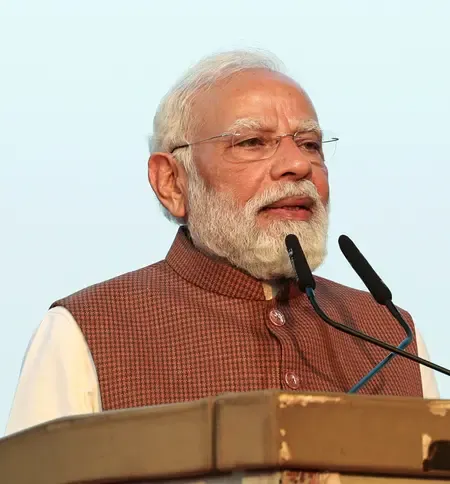
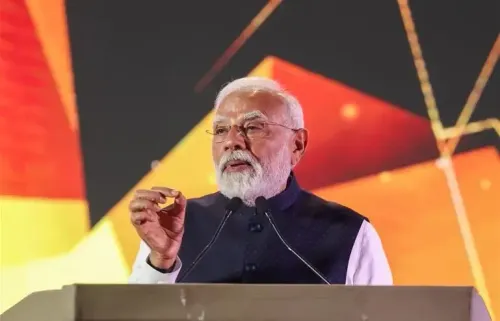
The Union Cabinet, chaired by Prime Minister Narendra Modi , on Wednesday approved an India–Singapore MoU on aviation MRO skills and industry development.
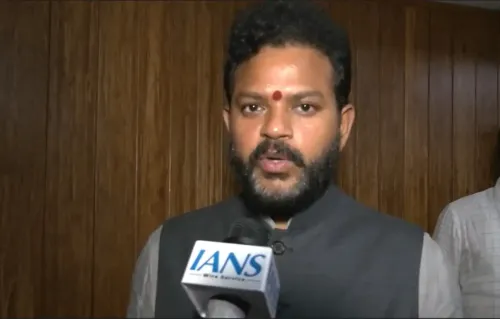
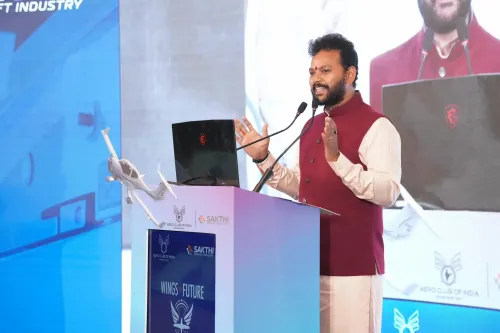
Union Civil Aviation Minister Ram Mohan Naidu said the pact aligns with Atmanirbhar Bharat and aims to make India a regional aviation workshop.
Key provisions include a joint Aircraft Maintenance Engineer (AME) curriculum, internships with Singapore MRO entities, and industry partnerships to expand facilities.
The government says overseas maintenance currently means higher costs and longer aircraft downtime for Indian airlines.
The objective is to repair components in India — including landing gear, radomes, engines, cockpit displays, seats and wings — and attract global MRO work over time.
The Union Cabinet, chaired by Prime Minister Narendra Modi, on Wednesday approved the signing of a Memorandum of Understanding between India and Singapore on cooperation in skills and industry development in the aviation maintenance, repair and overhaul (MRO) sector. The decision, taken in New Delhi on 25 November, is intended to build domestic repair capacity, train Aircraft Maintenance Engineers and position India as a regional aviation workshop.
What the Cabinet approved
The proposed MoU will create a framework for exchanging knowledge, expertise and best practices between the two countries in aviation MRO. The partnership is designed to strengthen Indian training institutions through curriculum upgrades, industry exposure and closer links with Singapore’s established MRO ecosystem.
Over time, the initiative is also expected to support the development of domestic MRO infrastructure through greater industry participation and reduce India’s dependence on overseas maintenance services — a gap that currently raises costs and extends aircraft downtime for Indian airlines.
What the Civil Aviation Minister said
Welcoming the Cabinet decision, Union Minister of Civil Aviation Ram Mohan Naidu said the pact is closely aligned with the Prime Minister’s vision of Atmanirbhar Bharat. “This MoU between India and Singapore will be highly impactful and is closely aligned with the Prime Minister’s vision of Atmanirbhar Bharat. We want to see every aircraft component including the landing gear, the radomes, engines, cockpit displays, seats, wings and smallest of the parts getting repaired in India. And the objective of this MoU is also to position India as the regional aviation workshop,” he said.
Highlighting the complementary strengths of the two countries, Naidu added: “Singapore has a well-established aviation MRO ecosystem, while India is among the world's fastest-growing aviation markets. With our expanding aircraft fleet, strategic geographical position as a regional aviation hub and the government's continued efforts to improve the ease of doing business, India offers significant opportunities for the growth of the MRO sector.”
Key provisions of the MoU
Core provisions include the joint development of an industry-oriented curriculum for Aircraft Maintenance Engineer (AME) training and the sharing of expertise to build the capacity of Indian institutes so they can deliver that curriculum to quality standards.
The MoU also covers internship and exchange programmes with Singapore MRO entities, enabling Indian students to gain practical industry experience. It further provides for facilitation of partnerships between Indian and Singaporean industry stakeholders to support the expansion of MRO facilities.
Notably, the design pairs skills with infrastructure. Without a larger pool of certified AMEs, new hangar and workshop capacity would struggle to scale. This pairing of training, internships and industry participation is the distinctive architecture of the agreement.
Why domestic MRO capacity matters
This comes amid what Naidu described as unprecedented growth in Indian air traffic, with airlines steadily expanding their fleets. That expansion has increased demand for domestic MRO capabilities and skilled AMEs. “India is witnessing unprecedented growth in air traffic, with airlines steadily expanding their aircraft fleets. This has created an increasing demand for domestic MRO capabilities and skilled Aircraft Maintenance Engineers. Strengthening our domestic MRO ecosystem is now the need of the hour. Dependence on overseas maintenance services often results in higher costs and longer aircraft downtime for our airlines,” he said.
Sending aircraft and components abroad for heavy maintenance ties up capital, lengthens turnaround and routes work that could be done onshore. The Cabinet-backed MoU is framed as a way for India to meet its own growing requirement for skilled AMEs and advanced MRO facilities, and, over time, to become an MRO destination for global airlines as well as a source of global aviation skills.
What happens next
With Cabinet approval in place, the two sides can proceed to sign the MoU and operationalise the curriculum, internship and industry-partnership tracks. Indian training institutes are expected to draw on Singaporean expertise to upgrade AME programmes, while industry stakeholders in both countries are to be facilitated into partnerships that expand MRO facilities.
If executed as outlined, the pact would feed into the wider Atmanirbhar Bharat push in civil aviation — keeping more repair work, from landing gear and engines to radomes, cockpit displays, seats and wings, inside India rather than routing it overseas. The test will be how quickly training and workshop capacity actually come online as fleets continue to grow.
Point of View
Internships and workshop partnerships convert into certified technicians and shorter downtime. Singapore’s established MRO ecosystem is the right counterpart; the risk is that knowledge exchange stays on paper while fleets keep growing faster than hangar capacity.
NationPress
25 Nov 2026
Frequently Asked Questions
What did the Union Cabinet approve on the India-Singapore aviation MRO MoU?
The Union Cabinet, chaired by Prime Minister Narendra Modi, on Wednesday approved the signing of an MoU between India and Singapore on cooperation in skills and industry development in the aviation MRO sector. The pact is meant to upgrade training, expand domestic repair capacity and cut dependence on overseas maintenance.
Why does the India-Singapore aviation MRO MoU matter?
It matters because India’s expanding airline fleets have increased demand for domestic MRO and skilled Aircraft Maintenance Engineers, while overseas repairs currently mean higher costs and longer aircraft downtime. The MoU is framed as a step toward Atmanirbhar Bharat and toward positioning India as a regional aviation workshop.
What are the key provisions of the India-Singapore MRO MoU?
Key provisions include joint development of an industry-oriented Aircraft Maintenance Engineer (AME) curriculum, sharing of expertise and capacity-building of Indian institutes, internships and exchange programmes with Singapore MRO entities, and facilitation of industry partnerships to expand MRO facilities.
Who commented on the Cabinet decision on the MRO MoU?
Union Minister of Civil Aviation Ram Mohan Naidu welcomed the decision, saying the MoU is closely aligned with Prime Minister Narendra Modi’s vision of Atmanirbhar Bharat. He said India wants every aircraft component, including landing gear, radomes, engines, cockpit displays, seats and wings, repaired in India.
How will the MoU affect Aircraft Maintenance Engineer training in India?
Indian training institutions are expected to strengthen AME curriculum and training capabilities through knowledge exchange, industry exposure and capacity-building with Singapore. Internship and exchange programmes with Singapore MRO entities are intended to give Indian students practical industry experience.