Calcutta HC directs Bengal Police to file affidavit in Abhishek Banerjee raid case

Synopsis
The Calcutta High Court has put West Bengal Police on notice over the 3 am raid at TMC general secretary Abhishek Banerjee's Kalighat Road home — demanding a formal affidavit and ordering all CCTV footage preserved. The case turns on a pointed question: can police break open a legislator's gate at midnight on suspicion alone, without a search warrant?
Key Takeaways
The Calcutta High Court directed West Bengal Police to file an affidavit within four weeks over the raid at Abhishek Banerjee's residence.
Justice Saugata Bhattacharya also ordered preservation of all CCTV footage and audio-visual records from the operation.
The raid was conducted at 3 am on 13 June by a joint team of Salboni Police, CAPF , and Kolkata Police searching for absconding executive assistant Sumit Roy .
Petitioner's counsel Kishor Datta alleged the search was conducted without a search warrant and that Banerjee's name did not appear in the original complaint.
The state argued the urgency was justified by fear that Sumit Roy might escape; the petitioner must file a counter-affidavit two weeks after the police submission.
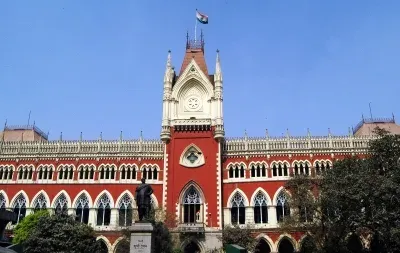
The Calcutta High Court on Monday, 29 June directed the West Bengal Police to file an affidavit within four weeks in a petition challenging the early-morning raid at the Kalighat Road residence of All India Trinamool Congress (TMC) general secretary and Lok Sabha member Abhishek Banerjee in South Kolkata. Justice Saugata Bhattacharya, presiding over the single-judge bench, also ordered the police to preserve all CCTV footage and audio-visual records from the raid.
Background: The 3 AM Raid
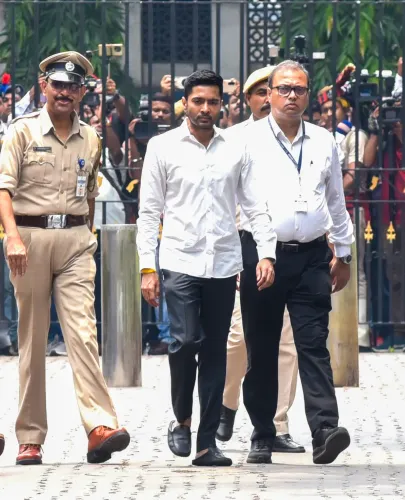
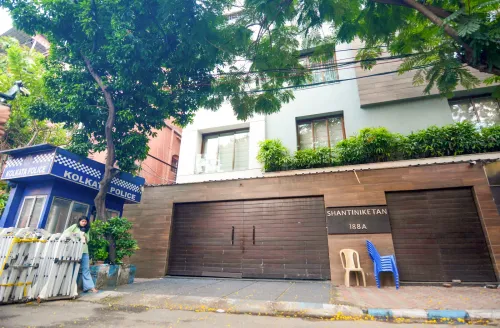
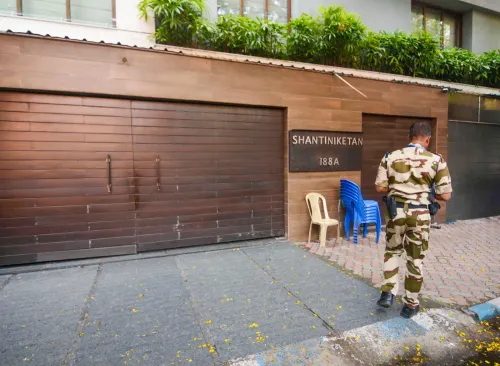
A joint team comprising personnel from Salboni Police Station under West Midnapore district police, the Central Armed Police Forces (CAPF), and Kolkata Police conducted the raid and search operations at 3 am on 13 June. The operation targeted Abhishek Banerjee's residence in search of his executive assistant, Sumit Roy, who is currently absconding. According to the petitioner's counsel, Banerjee's name did not appear in the original complaint — only Roy's did.
What the Petitioner Argued
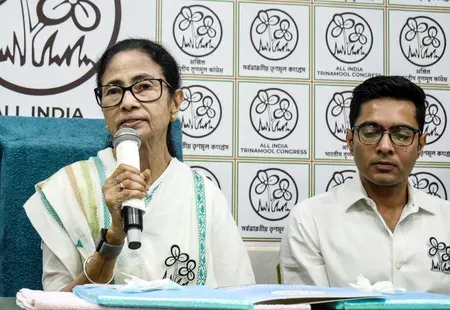
Arguing on behalf of Abhishek Banerjee — who is also the nephew of former West Bengal Chief Minister Mamata Banerjee — his counsel and former West Bengal Advocate General Kishor Datta contended that the search was carried out on mere suspicion, without a search warrant. He alleged police excess, noting that the team 'broke open the lock of the entrance gate with the help of state disaster management personnel' upon arriving at 3 am. Datta argued the objection was not to the raid itself but to the manner in which it was conducted — specifically, the alleged absence of a search warrant and what he characterised as misuse of authority.
State's Counter-Argument
The state's Additional Advocate General Rajdeep Majumdar defended the operation, submitting that the search was prompted by apprehension that Sumit Roy might attempt to flee. The state did not dispute the timing or the method used to gain entry, but maintained the urgency justified the action.
Court's Directions
At the conclusion of the hearing, Justice Bhattacharya directed the West Bengal Police to submit its affidavit within four weeks. The petitioner has been given two weeks after the police submission to file a counter-affidavit. Crucially, the court's order to preserve all CCTV and audio-visual records from the raid suggests the bench is treating the procedural propriety of the operation as a live question. The matter will next be heard after the exchange of affidavits.
This comes amid a broader pattern of legal and political friction between state and central agencies in West Bengal, with TMC leaders frequently at the centre of such disputes. The outcome of this case could have implications for how emergency search operations are conducted at the residences of sitting legislators.
Point of View
On the basis of suspicion alone — has implications well beyond TMC politics. If the court finds procedural violations, it could set a precedent constraining emergency search powers across West Bengal. The state's defence rests entirely on urgency, a justification that courts have historically scrutinised when applied to elected representatives. Mainstream coverage has focused on the political angle; the constitutional one deserves equal attention.
NationPress
28 Sept 2026
Frequently Asked Questions
Why did the Calcutta High Court issue notice to West Bengal Police over the Abhishek Banerjee raid?
The Calcutta High Court issued directions after a petition was filed challenging the early-morning raid at Abhishek Banerjee's Kalighat Road residence on 13 June. The petition alleged police excess, including conducting a search without a warrant and forcibly breaking open the entrance gate at 3 am.
What exactly happened during the raid at Abhishek Banerjee's home?
A joint team of Salboni Police, CAPF, and Kolkata Police arrived at Banerjee's South Kolkata residence at 3 am on 13 June searching for his absconding executive assistant Sumit Roy. According to the petitioner's counsel, the team broke open the entrance gate lock with state disaster management personnel's assistance, and no search warrant was produced.
Who is Sumit Roy and why was he being searched?
Sumit Roy is the executive assistant of Abhishek Banerjee who is currently absconding. His name featured in the complaint that prompted the police operation; Banerjee's name, according to his counsel, did not appear in the complaint.
What has the Calcutta High Court ordered?
Justice Saugata Bhattacharya directed West Bengal Police to file an affidavit within four weeks and ordered preservation of all CCTV footage and audio-visual records from the raid. The petitioner must file a counter-affidavit two weeks after the police submission.
What is the state government's defence of the raid?
The state's Additional Advocate General Rajdeep Majumdar argued that the urgency of the search was justified by the apprehension that Sumit Roy might attempt to escape if not located quickly.