Did CBI Arrest Two Northern Railway Officials for Bribery?
Synopsis
On January 28, the CBI arrested two officials from Northern Railway in Lucknow for allegedly accepting a bribe during pension claim processing. This incident highlights ongoing corruption issues in public services that directly affect pensioners.
Key Takeaways
Bribery in pension processing is a significant issue affecting retired employees.
The CBI is actively working to combat corruption within public offices.
Both officials from Northern Railway have been arrested and face legal action.
The CBI’s actions serve as a reminder of the need for accountability.
Public trust in services is crucial and must be restored.
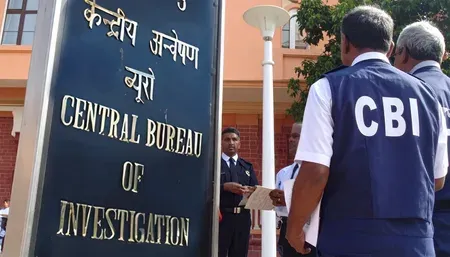
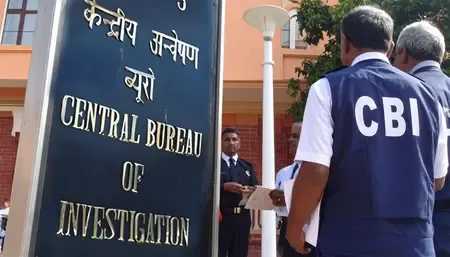
Lucknow, January 28 (NationPress) - The Central Bureau of Investigation (CBI) has taken into custody two officials from Northern Railway, Lucknow, for allegedly receiving a bribe in connection with a pension claim processing, according to an official announcement made on Wednesday.
The individuals apprehended are Akash Tyagi, an Accountant in the Office of the Divisional Railway Manager (DRM), and Akshay Srivastava, Assistant Divisional Finance Manager (ADFM) at DRM, Lucknow. Both officials were caught in the act while accepting a bribe amounting to Rs 70,000 from a complainant on Tuesday, as per the statement.
The CBI reported that a case was filed on Tuesday against these officials and unknown accomplices following a complaint. The complainant alleged that for processing his aunt's pension, the accused demanded Rs 1,00,000 after the Pension Payment Order (PPO) was generated, along with an additional Rs 2,50,000 upon finalizing the claim amount.
Promptly, the CBI set a trap and intercepted the officials while they were accepting the part-payment of Rs 70,000.
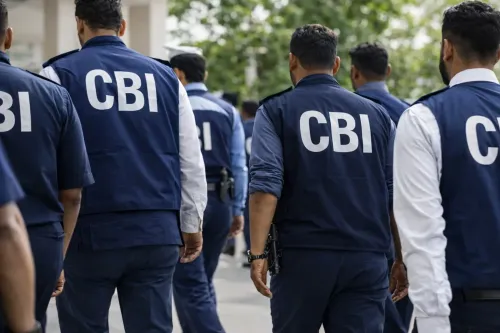
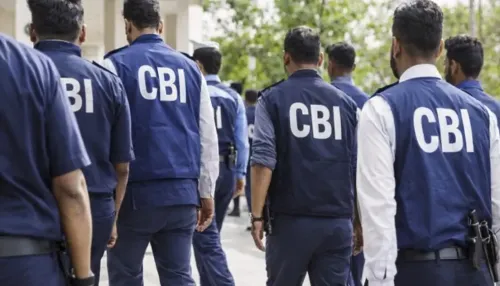
The CBI has confirmed the arrests of both officials, who will be presented before the appropriate court in Lucknow. The agency noted that further investigations are ongoing to uncover any additional individuals involved in this bribery case.
This incident underscores persistent issues regarding corruption in public service sectors, particularly in pension claim processing, which directly impacts retired personnel.
Recently, the CBI arrested a Sales Officer from Hindustan Petroleum Corporation Limited (HPCL) in Chandrapur, Maharashtra, for allegedly soliciting and accepting a bribe of Rs 1 lakh related to the transfer of an HPCL retail outlet.
Earlier, two public servants from the Revenue Department in Anantnag district of Jammu and Kashmir were arrested on January 16 for reportedly accepting a bribe of Rs 15,000 from a complainant.
The CBI remains vigilant in tackling bribery, leading to the conviction of both public servants and private individuals, with outcomes including imprisonment and significant fines.
Point of View
I believe this incident highlights the urgent need for transparency and accountability within public institutions. The ongoing challenges of bribery in pension processing not only undermine trust but also affect the well-being of retired employees. It is crucial for the CBI's actions to serve as a deterrent to similar malpractices in the future.
NationPress
13 Oct 2026
Frequently Asked Questions
What led to the arrest of the Northern Railway officials?
The officials were arrested for allegedly accepting a bribe of Rs 70,000 while processing a pension claim, following a complaint that detailed their demands for additional payments.
What actions is the CBI taking following the arrests?
The CBI has confirmed the arrests and is conducting further investigations to identify any additional individuals involved in the bribery case.
How does this incident reflect on public service integrity?
This incident highlights ongoing issues of corruption within public sectors, particularly in pension processing, which directly affects retired employees.
What has been the CBI's recent activity regarding bribery cases?
The CBI has been actively pursuing bribery cases, resulting in several arrests and convictions of both public servants and private individuals.
What measures can be taken to prevent such incidents in the future?
Enhancing transparency, implementing strict monitoring systems, and promoting accountability within public offices are essential steps toward preventing corruption.