CBI Detains Prime Suspect in 2014 Kolkata Kidnapping from Surat
Synopsis
In a significant development, the CBI has arrested a key suspect in the 2014 abduction of two Kolkata residents. The suspect, Bhola Singh, was located and apprehended in Surat, shedding light on his extensive criminal history. This case highlights the CBI's ongoing commitment to pursuing justice in serious criminal matters.
Key Takeaways
Bhola Singh , a suspect in the 2014 Kolkata kidnapping, arrested in Surat.
Singh is wanted in multiple serious criminal cases.
The CBI is pursuing justice following a High Court directive.
Related cyber fraud cases also highlight the CBI's efforts in tackling crime.
Ongoing investigations reveal complex criminal networks.
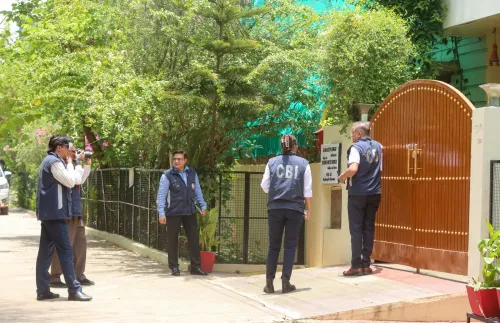
New Delhi, April 13 (NationPress) The Central Bureau of Investigation (CBI) apprehended a man on Monday who is a key suspect in the kidnapping of two residents from Kolkata back in 2014. He was captured at his hideout in Surat, as confirmed by an official.
The suspect, known by several aliases including Bhola Singh, Gautam Kumar, and Amit Sharma, was tracked down by the CBI after a High Court transferred the abduction case to the agency, according to an official statement.
In addition to the abduction case, Bhola Singh is implicated in 11 additional criminal cases filed by the Bihar Police that involve charges of abduction, attempted murder, murder, and illegal possession of firearms and explosives. He has been on the run since the investigation began in 2015.
The CBI successfully located Singh in Surat, where he was using falsified identity documents under the name Amit Sharma. Following the identification of his location, he was apprehended on Monday during a strategic operation.
Singh was subsequently brought before a local court in Surat to secure a transit remand for his transfer to Kolkata.
Upon arrival in Kolkata, he will be presented before a court on Tuesday, where the CBI will request his remand for further custodial questioning, as stated.
In a related matter, the CBI has filed a chargesheet against an individual based in Siliguri and a company he established, linked to a cyber fraud case involving a senior citizen in Delhi who was defrauded of approximately Rs 23 crore. This case was transferred to the CBI following directives from the Supreme Court of India and involves a complex cyber scam where the victim was reportedly threatened with fake legal notices and impersonation via video calls by individuals posing as law enforcement and judicial authorities.
According to the agency, the accused, identified as Sagnik Roy, is currently in judicial custody. The charges also implicate a company, Securing World Social and Economic Development Council, which was allegedly utilized as a front for executing the fraudulent activities.
Investigations revealed that the bank account managed by the accused and his enterprise was the recipient of the funds obtained from the victim.
The senior citizen was coerced into sending money under the false pretense of a so-called “digital arrest,” a tactic employed by cybercriminals to instill fear by misleading the target into believing they are under legal scrutiny or detention.
Point of View
The arrest of Bhola Singh underscores the persistent efforts of law enforcement agencies to tackle serious crime. The CBI's action not only brings a long-elusive suspect to justice but also reflects an ongoing commitment to public safety and accountability. This incident serves as a reminder of the importance of vigilance in combating crime.
NationPress
30 Sept 2026
Frequently Asked Questions
Who was arrested by the CBI?
Bhola Singh, also known as Gautam Kumar and Amit Sharma, was arrested by the CBI in connection with the abduction of two Kolkata residents in 2014.
Where was Bhola Singh found?
Bhola Singh was found hiding in Surat, using fake identity documents.
What additional charges does Bhola Singh face?
He is wanted in 11 other cases by the Bihar Police, including charges of attempted murder, murder, and illegal possession of arms.
What will happen to Singh after his arrest?
He will be produced in a Kolkata court for a plea to obtain CBI remand for custodial interrogation.
What is the significance of the CBI's actions?
The CBI's actions represent a commitment to tackling serious crimes and ensuring justice for victims.