CBI detains Giribala Singh in Twisha Sharma dowry death case, Bhopal
Synopsis
A retired district judge with expertise in cyber forensics has been detained by the CBI in a dowry death case — just 24 hours after the Madhya Pradesh High Court cancelled her bail, citing seven unexplained antemortem injuries on the victim's body and her failure to cooperate with investigators.
Key Takeaways
The CBI detained retired district judge Giribala Singh at her Katara Hills, Bhopal residence on Thursday, 29 May 2025 .
Her daughter-in-law Twisha Sharma was found dead on 12 May 2025 , five months after her marriage to Singh's son Samarth Singh .
The Madhya Pradesh High Court cancelled Singh's anticipatory bail in a 17-page order , citing six to seven additional antemortem injuries on Twisha's body.
The court noted that WhatsApp chats indicated allegations of harassment extended beyond the husband alone.
Twisha's family alleged she was pressured to terminate her pregnancy — a fact the High Court noted was admitted on record.
Counsel argued Singh's judicial background in cyber forensics raised concerns about potential crime scene tampering.
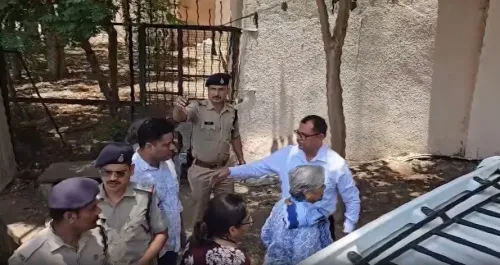
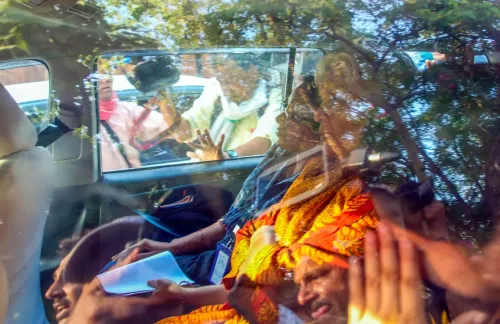
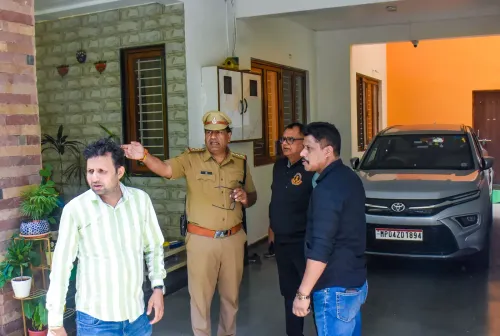
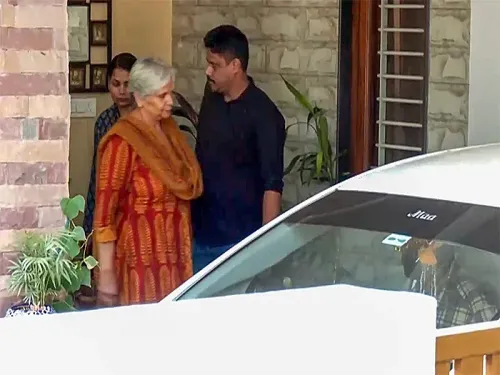
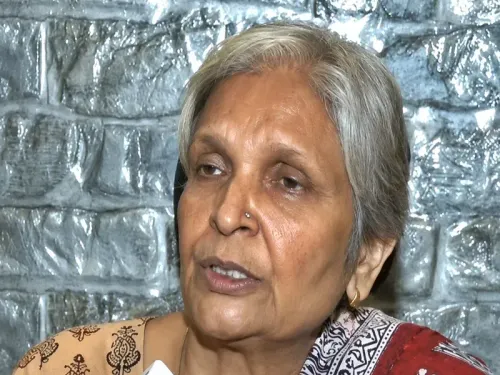
The Central Bureau of Investigation (CBI) on Thursday, 29 May 2025, detained retired district judge Giribala Singh from her residence in the Katara Hills area of Bhopal, in connection with the alleged dowry death of her daughter-in-law, Twisha Sharma. The detention came a day after the Madhya Pradesh High Court cancelled the anticipatory bail that had been granted to Singh.
How the Detention Unfolded
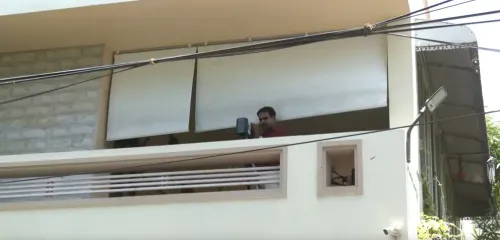
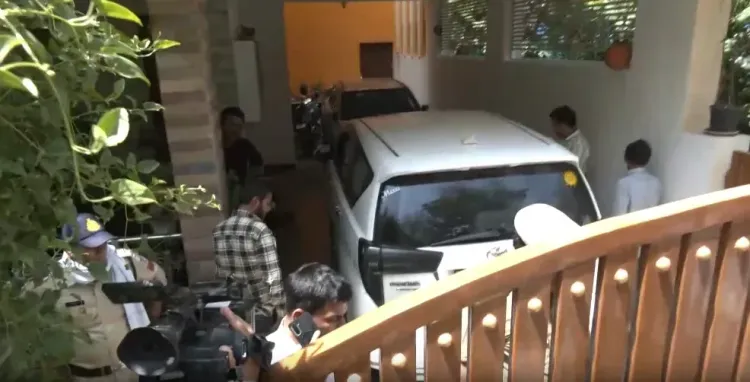
A CBI team, backed by a substantial police contingent, arrived at Giribala Singh's Katara Hills residence early in the morning. Local police barricaded the surrounding locality and restricted public movement during the proceedings. Questioning of Singh was reportedly conducted at her residence itself.
The Bail Reversal That Triggered the Arrest
Singh had approached a Bhopal sessions court seeking pre-arrest bail just two days after Twisha Sharma was found dead on 12 May 2025 — barely five months after her marriage to Singh's son, Samarth Singh, on 9 December 2024. The 10th Additional Sessions Judge, Bhopal, granted bail on 15 May, citing Singh's age and evidence of money transfers to the deceased.
However, vacation judge Devnarayan Mishra of the Madhya Pradesh High Court, in a 17-page order passed on Wednesday, quashed that relief. The court found that the trial court had failed to properly examine crucial material facts, including WhatsApp chats and statements by Twisha's family, which indicated that allegations of harassment were not confined to husband Samarth Singh alone. 'From the WhatsApp chats also, it cannot be said that the allegations are only against Samarth Singh,' the court observed.
Key Evidence and Allegations
Twisha's family alleged that both Giribala Singh and her son pressured Twisha to terminate her pregnancy — a fact the High Court noted was admitted on record. The post-mortem report stated the cause of death as antemortem hanging by ligature; however, the court flagged six to seven additional antemortem injuries on Twisha's body, including injuries on her left arm, finger, and head. A subsequent query report clarified these injuries were not sustained during removal of the body or transportation to hospital.
The High Court held that the allegations warranted deeper scrutiny under Sections 80(2), 85 and 3(5) of the Bharatiya Nyaya Sanhita (BNS), along with Sections 3 and 4 of the Dowry Prohibition Act.
Concern Over Potential Evidence Tampering
Counsel for Twisha's father argued before the High Court that Giribala Singh, as a retired judicial officer with training in cyber forensics and crime scene management, may have possessed the expertise to tamper with the crime scene — an allegation that reportedly weighed on the court's reasoning in cancelling bail.
State Government's Position
Madhya Pradesh Advocate General Prashant Singh said on Thursday that a detailed hearing was held the previous day. He noted that the High Court had taken into account two primary factors: the presence of seven antemortem injuries on Twisha's body, underscoring the gravity of the case, and the fact that Giribala Singh had not cooperated adequately with the investigating team despite multiple notices.
With Singh now in CBI custody, investigators are expected to formally record her statement and examine the digital and forensic evidence flagged by the High Court. The case continues to draw national attention given Singh's background as a retired member of the judiciary.
Point of View
Only to be reversed on appeal when evidence is properly weighed. The judiciary's internal accountability is as much on trial here as the accused.
NationPress
25 Sept 2026
Frequently Asked Questions
Who is Giribala Singh and why has she been detained?
Giribala Singh is a retired district judge from Bhopal who has been detained by the CBI in connection with the alleged dowry death of her daughter-in-law Twisha Sharma. Her detention followed the Madhya Pradesh High Court's cancellation of her anticipatory bail on 28 May 2025.
How did Twisha Sharma die?
Twisha Sharma was found dead at her matrimonial home on 12 May 2025, approximately five months after her marriage. The post-mortem report cited antemortem hanging by ligature as the cause of death, but the High Court flagged six to seven additional antemortem injuries on her body that required explanation.
Why did the Madhya Pradesh High Court cancel Giribala Singh's bail?
In a 17-page order, vacation judge Devnarayan Mishra held that the sessions court had failed to examine crucial material facts, including WhatsApp chats and family statements indicating harassment extended beyond the husband. The court also noted the unexplained antemortem injuries and Singh's alleged non-cooperation with investigators.
What charges are being examined in this case?
The High Court directed deeper scrutiny under Sections 80(2), 85 and 3(5) of the Bharatiya Nyaya Sanhita (BNS) and Sections 3 and 4 of the Dowry Prohibition Act, covering dowry harassment, abetment, and related offences.
What happens next in the Twisha Sharma case?
With Giribala Singh now in CBI custody, investigators are expected to formally record her statement and examine the digital and forensic evidence flagged by the High Court. The case is likely to face further judicial scrutiny given the seriousness of the injuries noted in the post-mortem.