Twisha Sharma dowry death: MP High Court cancels bail of ex-judge Giribala Singh

Synopsis
A former district judge's professional standing offered no shield in the Madhya Pradesh High Court: Giribala Singh's anticipatory bail in the Twisha Sharma dowry death case has been cancelled, with the CBI now expected to make an arrest. The ruling exposes how a lower court's failure to examine WhatsApp chats and witness testimony can unravel even a granted bail.
Key Takeaways
The Madhya Pradesh High Court on 27 May cancelled the anticipatory bail of former district judge Giribala Singh in the Twisha Sharma dowry death case.
Justice Devnarayan Mishra found the Bhopal sessions court's 15 May order suffered from 'serious infirmities' for overlooking case diaries, witness testimony, and WhatsApp conversations .
Allegations include domestic cruelty, forced termination of pregnancy, and physical assault at the family's Katara Hills residence in Bhopal.
The CBI is now expected to arrest Singh for custodial interrogation following the bail cancellation.
Singh's son, Samarth Singh , is already in CBI custody on remand until 29 May .
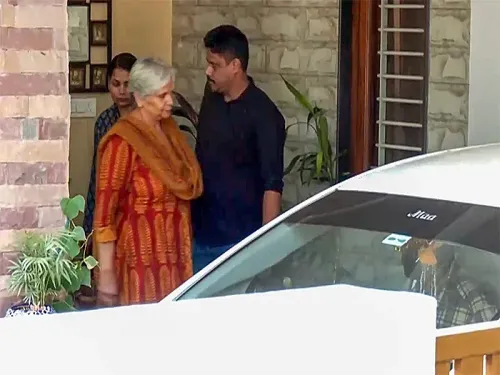
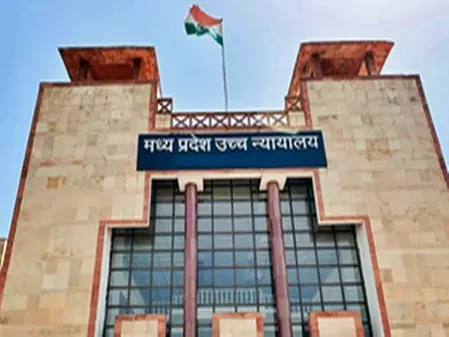
The Madhya Pradesh High Court on Wednesday, 27 May cancelled the anticipatory bail granted to former district judge Giribala Singh in connection with the dowry death of her daughter-in-law, Twisha Sharma, in Bhopal. The ruling, delivered by Justice Devnarayan Mishra, sets the stage for the Central Bureau of Investigation (CBI) to take Singh into custody for interrogation.
What the High Court Found
Justice Mishra set aside the anticipatory bail that a Bhopal sessions court had granted through its 15 May order, finding that the lower court had failed to adequately examine critical evidence. The High Court noted that case diaries, witness testimonies, and WhatsApp conversations — all of which allegedly pointed towards Singh's involvement — had not been properly considered before relief was extended.
The bench observed that the lower court's order suffered from 'serious infirmities' and emphasised that anticipatory bail in cases involving dowry death — described by the court as a 'grave social evil' — must be granted only after a thorough and cautious examination of all available material.
Background of the Case
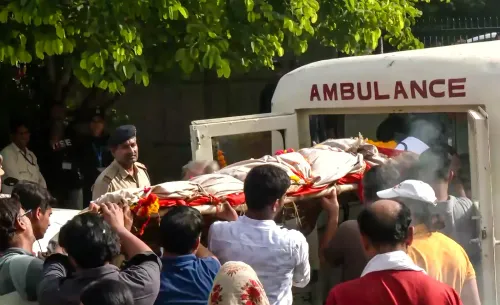
The case centres on the death of Twisha Sharma, who was married to Singh's son, Samarth Singh. The allegations include domestic cruelty, the forced termination of a pregnancy, and physical assault that allegedly culminated in Twisha's death at the family's residence in the Katara Hills locality of Bhopal. A case was registered under sections pertaining to dowry death and abetment of suicide.
The prosecution has argued that Singh, despite her judicial background, played a role in perpetuating harassment against Twisha, which allegedly drove her to her death. The lower court had originally granted anticipatory bail citing Singh's age and professional standing — grounds the High Court found insufficient given the gravity of the charges.
CBI Custody and Current Status
With the anticipatory bail now cancelled, the CBI is expected to proceed with arresting Singh for custodial interrogation. Her son, Samarth Singh, is already in CBI custody on remand until 29 May. Investigators believe Singh's interrogation could shed further light on the circumstances surrounding Twisha Sharma's death.
Legal and Social Significance
The ruling has sent ripples through legal and social circles, given Singh's stature as a former judicial officer. Legal experts argue the order underscores the judiciary's commitment to accountability regardless of an accused's past service or position. The case is also being closely watched as a test of how courts treat dowry-related crimes when the accused hold — or have held — positions of institutional authority.
This comes amid broader national concern over the persistence of dowry-linked violence in India. The High Court's intervention reinforces the principle that professional standing does not insulate an accused from the full rigour of criminal law. The case is likely to inform future bail jurisprudence in dowry death matters involving accused with institutional backgrounds.
Point of View
WhatsApp evidence, and witness testimony before granting relief in dowry death cases sets a standard that should have been applied at the first instance. With the CBI already holding Samarth Singh and now likely to arrest Giribala Singh, the investigation enters a critical phase — but the larger question is whether institutional affiliation continues to quietly influence bail decisions at the trial court level across the country.
NationPress
11 Oct 2026
Frequently Asked Questions
Why did the MP High Court cancel Giribala Singh's anticipatory bail?
The Madhya Pradesh High Court cancelled Giribala Singh's anticipatory bail because the Bhopal sessions court had failed to adequately examine key evidence — including case diaries, witness testimonies, and WhatsApp conversations — before granting relief on 15 May. Justice Devnarayan Mishra found the lower court's order suffered from serious infirmities.
Who is Giribala Singh and what is she accused of?
Giribala Singh is a former district judge accused of involvement in the dowry death of her daughter-in-law, Twisha Sharma, in Bhopal. Allegations include domestic cruelty, the forced termination of a pregnancy, and physical assault at the family's Katara Hills residence.
What happens now that Giribala Singh's bail is cancelled?
With the anticipatory bail cancelled, the CBI is expected to arrest Giribala Singh for custodial interrogation. Her son, Samarth Singh, is already in CBI custody on remand until 29 May 2025.
Who was Twisha Sharma?
Twisha Sharma was the wife of Samarth Singh, son of former district judge Giribala Singh. She died at the family's residence in Katara Hills, Bhopal, and the case was registered under sections pertaining to dowry death and abetment.
What is the broader significance of this ruling?
Legal experts say the ruling reinforces that no individual is above the law regardless of past professional standing. It also sets a higher evidentiary bar for anticipatory bail in dowry death cases, and is expected to influence bail jurisprudence in similar matters involving accused with institutional backgrounds.