Twisha Sharma case: Giribala Singh denies wrongdoing at MP HC bail hearing
Synopsis
In a high-stakes hearing before the Madhya Pradesh High Court, Giribala Singh — mother-in-law of deceased Twisha Sharma — denied every allegation from the state police, argued against custodial interrogation, and raised the suicide angle. With the CBI now in charge, the court's next move on anticipatory bail could define the trajectory of a case that has gripped Madhya Pradesh.
Key Takeaways
Giribala Singh denied all Madhya Pradesh Police allegations before the MP High Court's Principal Bench in Jabalpur on 27 May .
The defence argued that arresting her at this stage would amount to 'pre-trial punishment' and that custodial interrogation was unnecessary.
The family residence was reportedly sealed by police on 13 May ; mobile phones, passports, and documents were seized without resistance, according to the defence.
Allegations over CCTV footage leak and AIIMS Bhopal post-mortem manipulation were contested; the defence said the DVR was already in police custody.
The defence stated that Twisha Sharma had independently taken abortion pills after medical counselling and was undergoing psychiatric treatment for anxiety.
The case has been transferred to the CBI ; the High Court is hearing petitions challenging anticipatory bail granted by a Bhopal district court after Twisha's death on 12 May .
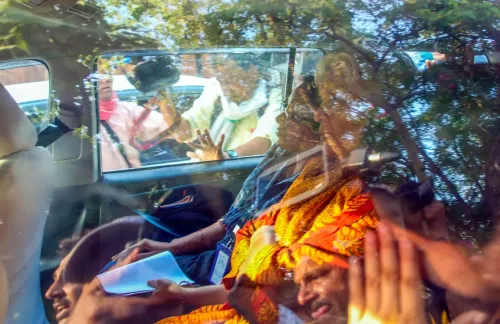
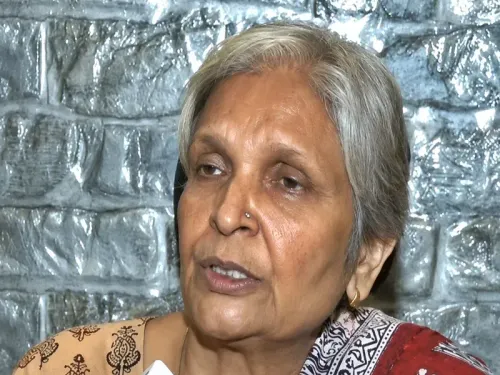
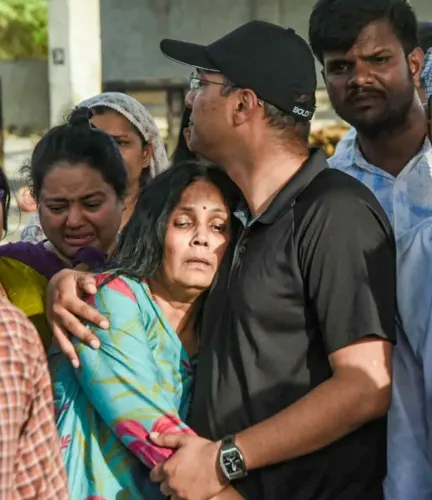
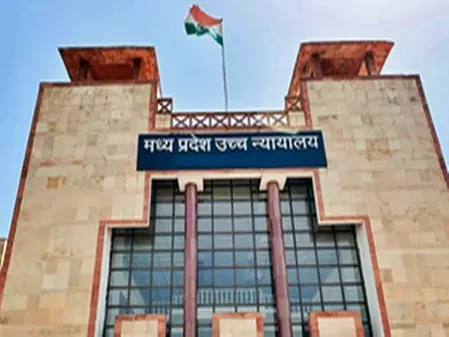
Giribala Singh, mother-in-law of deceased Twisha Sharma, on Wednesday, 27 May denied all allegations levelled by the Madhya Pradesh Police while defending her anticipatory bail plea before the Principal Bench of the Madhya Pradesh High Court in Jabalpur. The hearing comes after the case was recently transferred to the Central Bureau of Investigation (CBI), raising the stakes for all parties involved.
Key Submissions Before the High Court
Through her counsel, advocate Mrigendra Singh, Giribala Singh submitted a detailed reply asserting full cooperation with investigators at every stage of the probe. The defence argued that custodial interrogation was unnecessary and that arresting her at this point would constitute what her lawyers termed 'pre-trial punishment'.
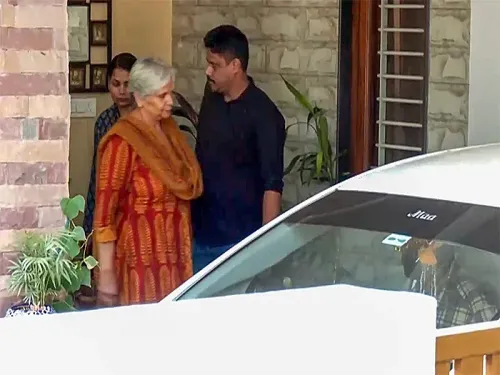
The defence further told the court that most portions of the family residence had already been sealed by police on 13 May, leaving, in their words, 'no possibility' of evidence destruction or manipulation. Police officials and, later, CBI officers had reportedly entered the premises freely and seized mobile phones, electronic devices, passports, and documents without any resistance from the family.
CCTV Footage and Post-Mortem Allegations Contested
Addressing allegations over the leak of CCTV footage to media organisations, the defence maintained that the DVR had already been seized by police and remained in official custody, making any interference by Giribala Singh impossible. On the question of alleged manipulation of the first post-mortem conducted at AIIMS Bhopal, the defence lawyer stated there was no evidence linking her to any interference in the medical examination process.
Abortion Pills and Psychiatric Treatment
Responding to allegations concerning abortion pills, the defence stated that Twisha Sharma had independently taken the medication following medical counselling from doctors. The reply also claimed that Twisha had been undergoing psychiatric treatment for anxiety — a detail the defence appeared to present as contextual background to her mental state.
Suicide Angle Not Ruled Out, Defence Argues
Giribala's legal team argued that the possibility of suicide had not been conclusively ruled out, citing post-mortem observations that reportedly mention ante-mortem hanging, as well as CCTV footage already in police possession. This line of argument is significant given that the case hinges on whether Twisha Sharma's death on 12 May was the result of foul play or other circumstances.
The Madhya Pradesh High Court is currently hearing petitions that challenge an anticipatory bail order previously granted to Giribala Singh by a Bhopal district court, following an FIR registered in connection with Twisha Sharma's death. With the CBI now handling the investigation, the court's next ruling on the bail question is expected to carry considerable legal weight.
Point of View
Frame arrest as disproportionate, and keep the suicide angle alive. But the CBI transfer signals that the state police's own investigation was deemed insufficient, which raises questions about why the original anticipatory bail was granted so swiftly by the district court. The most consequential detail is the post-mortem dispute: if AIIMS Bhopal's findings are contested and a second examination was sought, the chain of medical evidence becomes the fulcrum of the entire case. The High Court's ruling on bail will signal how seriously it views the risk of influence — especially given that the family home, by the defence's own admission, was only partially sealed weeks after the death.
NationPress
11 Oct 2026
Frequently Asked Questions
Who is Giribala Singh in the Twisha Sharma case?
Giribala Singh is the mother-in-law of Twisha Sharma, who died on 12 May. An FIR was registered in connection with the death, following which Giribala Singh obtained anticipatory bail from a Bhopal district court. The Madhya Pradesh High Court is now hearing petitions challenging that bail order.
Why has the Twisha Sharma case been transferred to the CBI?
The case was recently transferred to the Central Bureau of Investigation (CBI), though the specific reasons for the transfer have not been detailed in the proceedings made public so far. CBI transfers in such cases typically occur when state police investigations are questioned for thoroughness or impartiality.
What are the main allegations against Giribala Singh?
Allegations reportedly include attempting to influence the probe, tampering with evidence, leaking CCTV footage to media, and interference in the first post-mortem conducted at AIIMS Bhopal. There are also allegations related to abortion pills found in connection with Twisha Sharma. Giribala Singh's defence has denied all of these.
What is the suicide angle raised by the defence?
Giribala Singh's lawyers argued that the possibility of suicide had not been ruled out, citing post-mortem observations mentioning ante-mortem hanging and CCTV footage already in police possession. This argument is central to the defence's case against the need for custodial interrogation.
What happens next in the Twisha Sharma case?
The Madhya Pradesh High Court is expected to rule on the petitions challenging Giribala Singh's anticipatory bail. With the CBI now conducting the investigation, the court's decision will have significant implications for how the probe proceeds and whether Giribala Singh can be questioned in custody.