Twisha Sharma case: CBI court recuses from Giribala Singh bail plea
Synopsis
A Bhopal CBI court recused itself from hearing retired district judge Giribala Singh's bail plea in the Twisha Sharma dowry death case — because the presiding judge had once trained under the accused. With the CBI alleging evidence tampering and refusal to provide a voice sample, the Lokayukta court's Saturday ruling could be a pivotal moment in a case that has already forced a High Court-ordered CBI takeover.
Key Takeaways
A special CBI court in Bhopal recused itself on Friday from hearing Giribala Singh's bail plea after the presiding judge disclosed she had trained under the accused.
The bail application was transferred to the Special Judge (Lokayukta) court, which reserved its order; ruling expected Saturday .
The CBI opposed bail, citing the gravity of charges, an alleged refusal to provide a voice sample , and a stable jail medical report.
The victim's family alleged the accused attempted to interfere with CCTV footage and other evidence.
Twisha Sharma , 33 , was found dead on 12 May at her matrimonial home in Katara Hills, Bhopal , less than six months after her marriage to Giribala Singh's son.
The Madhya Pradesh High Court had ordered a CBI probe after alleged lapses in the initial police investigation.
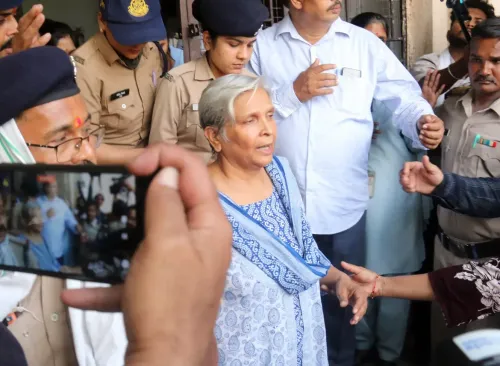
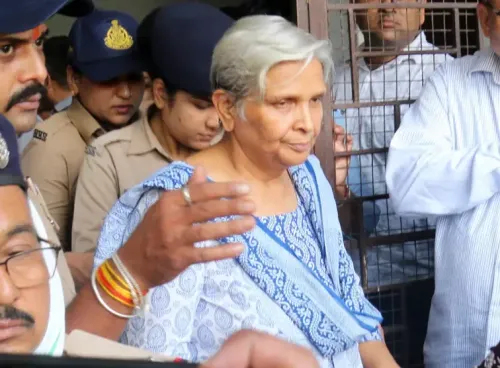
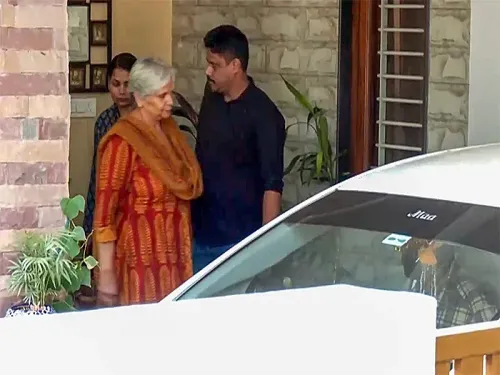
A special CBI court in Bhopal on Friday, 25 July recused itself from hearing the regular bail application of retired district judge Giribala Singh, an accused in the Twisha Sharma dowry death case, after the presiding judge disclosed a prior mentorship relationship with the accused. The bail plea was swiftly transferred to the court of the Special Judge (Lokayukta), which reserved its order after hearing arguments from all sides and is expected to pronounce it on Saturday.
Why the Court Stepped Aside
At the outset of Friday's proceedings, the Special CBI Judge informed all parties that she had received judicial training under Giribala Singh when Singh was serving as an Additional District and Sessions Judge in Gwalior. Citing the need to avoid any perception of bias, the judge declined to hear the matter and recused herself. The case was immediately reassigned to the Lokayukta court, where substantive arguments were heard from the Central Bureau of Investigation (CBI), the defence, and counsel representing the victim's family.
What the Defence Argued
Seeking regular bail, the defence submitted that Giribala Singh was suffering from health issues while in judicial custody and needed to care for her 100-year-old mother. The defence also argued that Singh had cooperated with the investigation and had not attempted to evade the legal process.
Additionally, the defence contended that Singh — a serving judicial officer drawing a regular salary and a war widow pension — was financially secure, making the allegation of dowry demand improbable on its face.
CBI's Opposition and Key Allegations
The CBI firmly opposed the bail plea, arguing that the gravity of the allegations did not warrant release. The agency stated that neither the accused's gender nor her financial standing could serve as grounds for bail. Crucially, the CBI relied on the jail medical report to contend that Singh's health condition was stable, and alleged that she had not fully cooperated with the investigation — including her refusal to provide a voice sample.
Counsel for Twisha Sharma's family also opposed the application, alleging that the accused had attempted to interfere with the investigation by contacting individuals linked to CCTV footage and other evidence. Advocate Anurag Pandey, representing the victim's family, said after the hearing: 'The investigation is at a crucial stage, and there is a reasonable apprehension that, if released on bail, the accused may influence witnesses or tamper with evidence.'
Background: The Twisha Sharma Case
Twisha Sharma, a 33-year-old former actor and corporate professional, was found dead under suspicious circumstances at her matrimonial home in Bhopal's Katara Hills area on 12 May, less than six months after her marriage to advocate Samarth Singh, Giribala Singh's son. Her family alleged persistent dowry harassment and cruelty by both her husband and mother-in-law.
Following allegations of lapses in the initial police investigation, the Madhya Pradesh High Court ordered a CBI probe into the case. The central agency subsequently arrested Giribala Singh after the High Court set aside the anticipatory bail that had previously been granted to her.
What Happens Next
The Special Judge (Lokayukta) court is expected to pronounce its order on the bail application on Saturday. The outcome will be closely watched, given the high-profile nature of the case involving a judicial officer and the CBI's assertion that the investigation remains at a critical juncture.
Point of View
Though procedurally routine, carries symbolic weight: a judge stepping aside because she was mentored by the accused is a reminder of how institutional networks within the judiciary can complicate high-stakes criminal proceedings. More significant is the CBI's allegation that Giribala Singh refused to provide a voice sample — a detail that, if proven, could substantially damage her defence. The case also underscores a persistent pattern in dowry death investigations: initial police inaction compelling High Court intervention and a CBI handover. Whether the Lokayukta court grants bail will test whether judicial status, even in retirement, continues to receive implicit deference in India's criminal justice system.
NationPress
23 Oct 2026
Frequently Asked Questions
Why did the CBI court recuse itself from Giribala Singh's bail hearing?
The Special CBI Judge disclosed that she had received judicial training under Giribala Singh when Singh served as an Additional District and Sessions Judge in Gwalior. To avoid any perception of bias, she recused herself and the case was transferred to the Special Judge (Lokayukta) court.
Who is Twisha Sharma and what happened to her?
Twisha Sharma was a 33-year-old former actor and corporate professional who was found dead under suspicious circumstances at her matrimonial home in Bhopal's Katara Hills on 12 May, less than six months after her marriage to advocate Samarth Singh. Her family alleged sustained dowry harassment and cruelty by her husband and mother-in-law, retired district judge Giribala Singh.
What arguments did the CBI make against granting bail to Giribala Singh?
The CBI argued that the seriousness of the charges did not warrant bail, that Singh's health was stable per the jail medical report, and that she had not fully cooperated with the investigation — including refusing to provide a voice sample. The agency maintained that neither gender nor financial status could justify release.
When will the court pronounce its order on Giribala Singh's bail plea?
The Special Judge (Lokayukta) court reserved its order after hearing arguments on Friday and is expected to pronounce its ruling on Saturday.
How did the CBI come to investigate the Twisha Sharma case?
The Madhya Pradesh High Court ordered a CBI probe following allegations of lapses in the initial police investigation. The CBI subsequently arrested Giribala Singh after the High Court set aside the anticipatory bail that had been granted to her.