Twisha Sharma case: CBI arrests retired judge Giribala Singh after 15-day fight
Synopsis
Fifteen days of protests, courtroom battles, and allegations of evidence tampering culminated in the CBI arresting retired district judge Giribala Singh in the Twisha Sharma dowry death case. The case has exposed questions about institutional influence over local police, CCTV timing anomalies, and a postmortem conducted without the key piece of alleged evidence — a combination that forced both a CBI takeover and a court-ordered second autopsy.
Key Takeaways
Twisha Sharma , 33 , was found dead at her matrimonial home in Katara Hills, Bhopal on 12 May , six months after her marriage to Samarth Singh .
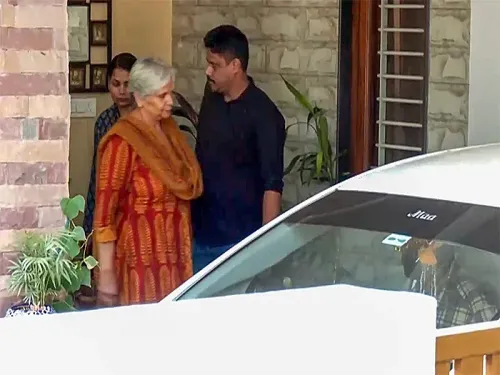
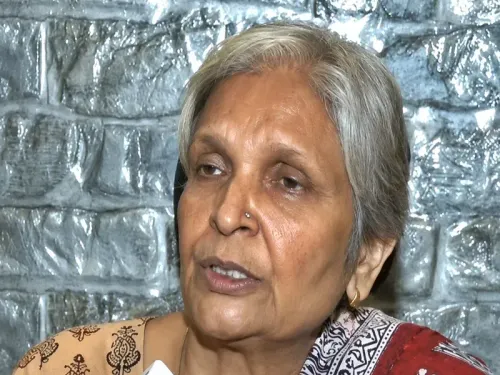
The CBI arrested retired district judge Giribala Singh , Samarth's mother, on 29 May after a 3D scan and inspection of her residence.
Samarth Singh was arrested on 22 May from the Jabalpur district court premises after going absconding; a reward of ₹30,000 had been announced for information on his whereabouts.
The first postmortem at AIIMS Bhopal found death by 'asphyxia due to ante-mortem hanging by ligature'; the nylon rope allegedly used was not produced during the autopsy.
The Madhya Pradesh High Court ordered a second autopsy by an AIIMS Delhi forensic team under full videography to resolve evidentiary doubts.
The CBI formally registered its own FIR on 25 May after the state government transferred the probe amid allegations of procedural lapses by local police.
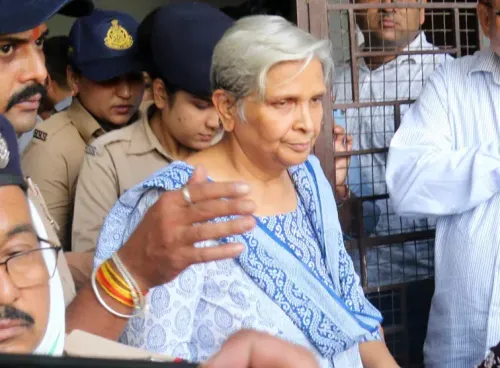
The Central Bureau of Investigation (CBI) arrested retired district judge Giribala Singh on Thursday, 29 May 2025, from her residence in Bhopal's Katara Hills, marking a decisive turn in the Twisha Sharma dowry death case. The arrest came after a relentless 15-day campaign by Twisha's family — spanning police offices, courtrooms, and public protests — and followed allegations of dowry harassment, evidence tampering, and institutional influence over the probe.
How the Case Began
On the night of 12 May, 33-year-old Twisha Sharma was found dead at her matrimonial home in Katara Hills, Bhopal, barely six months after her marriage to Samarth Singh, son of Giribala Singh. The circumstances immediately attracted scrutiny under dowry death provisions, which are triggered when an unnatural death occurs within seven years of marriage.
The following day, Bhopal Police accessed the CCTV digital video recorder at the residence through a technician. Giribala Singh subsequently submitted before a court that the eight-camera surveillance system had a 'technical defect' that displayed timing nearly two days and two hours behind actual time. Around the same period, Twisha's family alleged that selective footage was being circulated to shape a particular narrative around the death.
Postmortem Controversy and FIR
The first postmortem, conducted at AIIMS Bhopal, concluded that the cause of death was 'asphyxia due to ante-mortem hanging by ligature.' However, controversy erupted when it emerged that the nylon gym rope allegedly used in the incident was not produced before doctors during the autopsy and was submitted only later. Twisha's family sought a second postmortem, but a Bhopal court initially rejected the plea.
The Katara Hills Police subsequently registered an FIR under provisions relating to domestic violence, matrimonial cruelty, and dowry death under the Bharatiya Nyaya Sanhita (BNS). Following the registration, Samarth Singh went absconding; police announced a reward of ₹10,000 for information on his whereabouts, later raised to ₹30,000.
Family's Campaign and Bail Hearings
As the investigation progressed, Twisha's family, friends, and former colleagues staged protests at Delhi's Jantar Mantar, alleging the accused family was leveraging its legal background to influence the probe. Simultaneously, the family approached the Madhya Pradesh High Court seeking directions for preservation of call detail records and CCTV footage from AIIMS Bhopal.
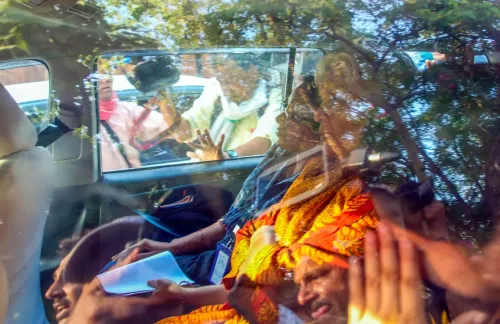
On 15 May, Giribala Singh secured anticipatory bail from a Bhopal sessions court. Four days later, on 19 May, another sessions court rejected Samarth Singh's anticipatory bail plea, observing that the unnatural death had occurred within six months of marriage. On 22 May, Samarth Singh was arrested from the Jabalpur district court premises and brought to Bhopal the following day.
CBI Takeover and High Court Orders
Amid mounting public pressure and allegations of procedural lapses, the Madhya Pradesh government transferred the investigation to the CBI. Police Commissioner Sanjay Kumar also ordered a departmental inquiry into alleged irregularities in the initial handling of evidence. The Madhya Pradesh High Court subsequently ordered a second autopsy by a forensic team from AIIMS Delhi at AIIMS Bhopal under full videography, to remove, in the court's words, 'all doubts from any quarter.'
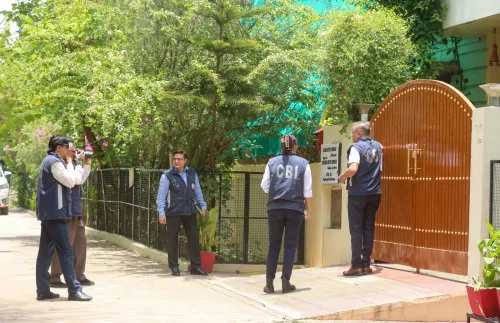
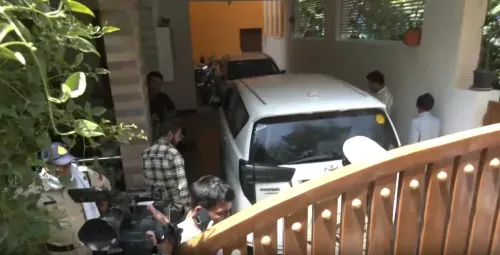
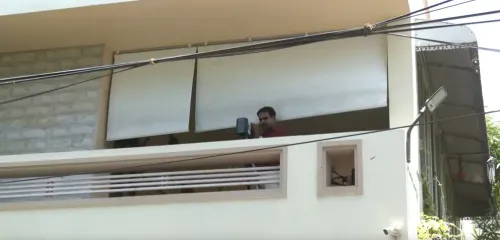
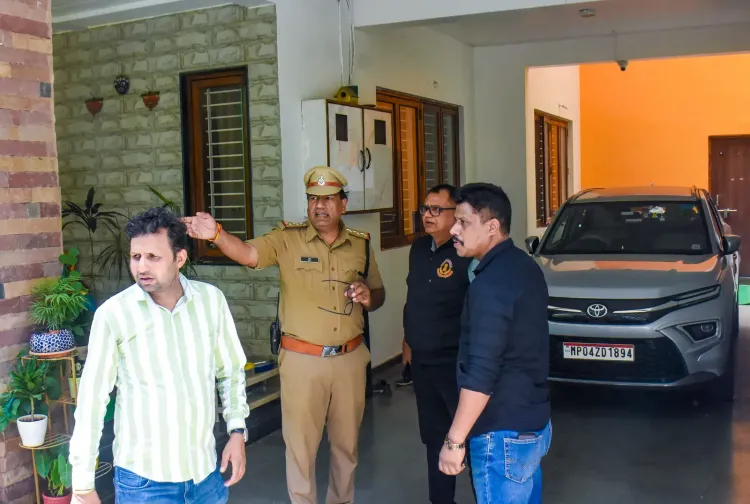
The CBI formally took over the case on 25 May by registering a separate FIR. On 27 May, the High Court rejected Giribala Singh's interim bail plea. A CBI team reached her Katara Hills residence the following morning under heavy security deployment, carried out a detailed inspection and 3D scanning of the premises, and arrested her.
Family's Response and What Comes Next
Following the arrest, Twisha's father described the development as 'the beginning of justice' for his daughter and expressed confidence that the CBI investigation would bring out the complete truth behind her death. The second autopsy by the AIIMS Delhi forensic team and the CBI's ongoing probe are expected to be the next critical milestones in establishing the facts of the case.
Point of View
While the nylon rope central to the postmortem was submitted after the fact, points to a pattern where legal familiarity can blunt procedural rigour. The CBI transfer and the High Court's order for a second autopsy under videography are corrective steps, but they were forced by sustained public pressure rather than proactive institutional response. The deeper question — whether the initial police handling was negligent or something more deliberate — is precisely what the departmental inquiry must answer, and answer publicly.
NationPress
20 Sept 2026
Frequently Asked Questions
Who is Twisha Sharma and how did she die?
Twisha Sharma was a 33-year-old woman who was found dead at her matrimonial home in Katara Hills, Bhopal, on 12 May 2025, barely six months after her marriage to Samarth Singh. The first postmortem conducted at AIIMS Bhopal concluded that the cause of death was asphyxia due to ante-mortem hanging by ligature, though the probe is ongoing and a second autopsy has been ordered.
Why was retired judge Giribala Singh arrested by the CBI?
Giribala Singh, mother of Samarth Singh and a retired district judge, was arrested by the CBI on 29 May in connection with the Twisha Sharma dowry death case. The state government had earlier sought cancellation of her anticipatory bail, alleging obstruction of the investigation and compromise of the crime scene.
Why was the case transferred to the CBI?
The Madhya Pradesh government transferred the case to the CBI amid mounting public pressure and allegations of procedural lapses by local police in the initial handling of evidence. Police Commissioner Sanjay Kumar also ordered a departmental inquiry into the alleged irregularities.
What is the controversy around the postmortem and CCTV footage?
The nylon gym rope allegedly used in the incident was not produced before doctors during the first autopsy at AIIMS Bhopal and was submitted only later, raising questions about evidence handling. Separately, Giribala Singh submitted before a court that the residence's eight-camera CCTV system had a technical defect displaying timing nearly two days and two hours behind actual time; Twisha's family alleged that selective footage was being circulated to shape the narrative.
What happens next in the Twisha Sharma case?
The Madhya Pradesh High Court has ordered a second autopsy by a forensic team from AIIMS Delhi at AIIMS Bhopal under full videography. The CBI, which registered its own FIR on 25 May, is conducting an independent investigation; both the second autopsy findings and the CBI's probe are expected to be the next critical developments in the case.