Supreme Court stays Twisha Sharma trial, seeks CBI response on Delhi transfer plea
Synopsis
The Supreme Court has halted the Bhopal trial in the Twisha Sharma death case and put the CBI and both accused on notice — a significant procedural intervention driven by claims that a retired senior judge among the accused wields undue influence in Madhya Pradesh's courts. With a 636-page charge sheet already filed and a second AIIMS post-mortem on record, the battle has now shifted to whether justice can be delivered closer to home.
Key Takeaways
The Supreme Court on 16 October 2026 stayed the trial in the Twisha Sharma death case before a Bhopal Sessions Court .
A bench of Chief Justice Surya Kant and Justice Joymalya Bagchi issued notices to the CBI , Samarth Singh , and Giribala Singh on the transfer petition.
Twisha Sharma died on 12 May 2026 at her matrimonial home in Bhopal, about five months after her marriage.
The CBI filed a 636-page charge sheet on 14 August 2026 , alleging cruelty, abetment of suicide, and common intention under the Bharatiya Nyaya Sanhita .
The petitioner, Twisha's father Navnidhi Sharma , cites alleged bail-hearing irregularities involving five courts and three recusals in five days as evidence of fair-trial risk.
The plea seeks transfer to Delhi , citing CBI operations, an AIIMS second post-mortem, and CFSL Delhi forensic reports all being based in the national capital.
The Supreme Court on Friday, 16 October 2026, stayed the ongoing trial before a Bhopal Sessions Court in the death case of former model and actress Twisha Sharma, while issuing notices to the Central Bureau of Investigation (CBI), her husband Samarth Singh, and mother-in-law Giribala Singh. The apex court was hearing a petition seeking transfer of the criminal proceedings from Madhya Pradesh to Delhi, filed by Twisha's father, Navnidhi Sharma.
The Transfer Petition and Its Core Arguments
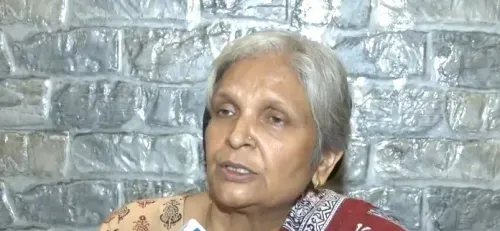
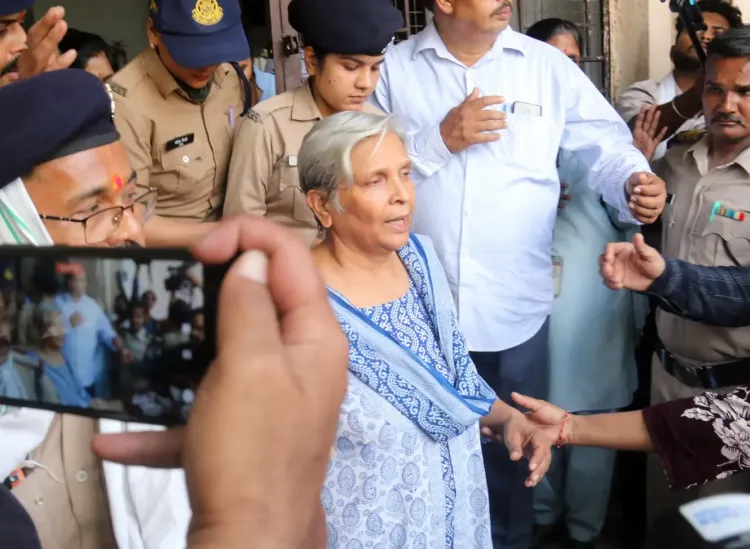
A bench comprising Chief Justice of India Surya Kant and Justice Joymalya Bagchi passed the stay order on the transfer petition filed by Navnidhi Sharma, who has expressed apprehension that his daughter will not receive a fair trial in Madhya Pradesh. Advocate Abhijeet Sinha, appearing for the petitioner, argued that Giribala Singh — a retired Principal District and Sessions Judge — is an influential figure in Bhopal, raising serious concerns about impartiality.
Sinha also informed the court that certain material had been placed before it in a sealed cover in support of the transfer plea. The Bhopal Sessions Court trial had, at the time of the stay, reached the stage of arguments on framing of charges.
Background: Twisha Sharma's Death and the CBI Charge Sheet
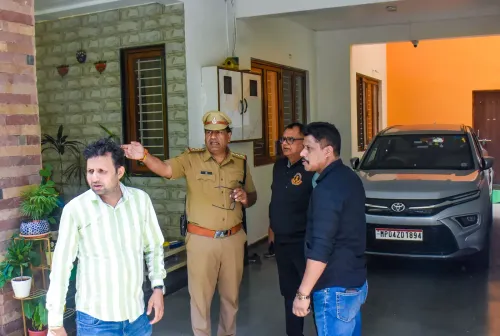
Twisha Sharma died at her matrimonial home in Bhopal on 12 May 2026, approximately five months after her marriage. Her husband, advocate Samarth Singh, and mother-in-law Giribala Singh are the accused in the case. The Supreme Court took suo motu cognisance of the matter on 25 May 2026, following which the CBI took over the investigation from the state police.
On 14 August 2026, the CBI filed a 636-page charge sheet against the two accused, alleging cruelty, abetment of suicide, and common intention under the Bharatiya Nyaya Sanhita. The dowry-related aspect of the case reportedly remains under further investigation.
Key Concerns Raised in the Petition
The transfer petition details a series of procedural irregularities that the petitioner argues undermined the integrity of proceedings in Madhya Pradesh. Navnidhi Sharma has alleged that five courts handled Giribala Singh's bail applications over five days, with three judges reportedly returning the file or recusing themselves. The plea also questions the initial investigation — specifically the sealing of the terrace where Twisha died, the handling of ligature material during the first post-mortem, and the alleged collection of CCTV footage by Giribala Singh herself.
The petition further refers to alleged incidents involving Twisha's brother, a serving Army officer, at Bhopal court premises on 15 May, and the family's counsel at Jabalpur district court on 22 May.
Why Delhi Was Chosen as the Preferred Venue
The petitioner's case for a transfer to Delhi rests on several logistical and evidentiary factors. The CBI conducted its investigation from New Delhi; a second post-mortem was performed by an AIIMS New Delhi medical board; forensic reports were issued by CFSL Delhi; and both the investigating officer and several key witnesses are based in the National Capital Region. Navnidhi Sharma himself is settled in the Delhi-NCR region. The petition argues that shifting the trial to a competent court in Delhi would consolidate these elements and address fair-trial concerns.
What Happens Next
With the trial stayed, the CBI, Samarth Singh, and Giribala Singh must now respond to the Supreme Court's notice. The bench's decision to stay proceedings — rather than merely seek responses — signals that it found sufficient prima facie merit in the transfer petition to halt further progress in Bhopal in the interim. The case is expected to come up for hearing once the notices are returned, at which point the court will consider whether a permanent transfer to Delhi is warranted.
Point of View
Not merely procedural. The fact that one of the accused is a retired principal district and sessions judge in the very state where the trial is proceeding makes the apprehension of bias unusually concrete. What is notably absent from the public record is any independent assessment of whether the bail-hearing recusals were routine or coordinated — a distinction that the sealed-cover material placed before the court may well address. If the transfer is eventually granted, it would underscore a broader institutional question: can lower courts in any state be expected to act without inhibition when a senior judicial officer from their own cadre sits in the dock?
NationPress
16 Oct 2026
Frequently Asked Questions
Why has the Supreme Court stayed the Twisha Sharma death case trial?
The Supreme Court stayed the trial in the Bhopal Sessions Court on 16 October 2026 while hearing a petition filed by Twisha's father, Navnidhi Sharma, who fears she will not receive a fair trial in Madhya Pradesh. His petition cites the influence of co-accused Giribala Singh, a retired Principal District and Sessions Judge in Bhopal, as a central concern.
Who is Twisha Sharma and what happened to her?
Twisha Sharma was a former model and actress who died at her matrimonial home in Bhopal on 12 May 2026, approximately five months after her marriage. Her husband, advocate Samarth Singh, and mother-in-law, retired judge Giribala Singh, are the accused in the case. The CBI took over the investigation in May 2026 after the Supreme Court took suo motu cognisance.
What does the CBI charge sheet say?
The CBI filed a 636-page charge sheet on 14 August 2026 against Samarth Singh and Giribala Singh, alleging cruelty, abetment of suicide, and common intention under the Bharatiya Nyaya Sanhita. The dowry-related aspect of the case reportedly remains under further investigation.
Why is the transfer petition seeking Delhi as the venue?
The petition argues that Delhi is the most logical venue because the CBI conducted its investigation from there, a second post-mortem was carried out by an AIIMS New Delhi medical board, forensic reports were issued by CFSL Delhi, and the investigating officer along with several witnesses are based in the National Capital Region. Twisha's father is also a Delhi-NCR resident.
What procedural irregularities have been alleged in the Bhopal proceedings?
The petitioner has alleged that five courts handled Giribala Singh's bail applications over five days, with three judges returning the file or recusing themselves. The initial investigation has also been questioned, including the sealing of the terrace where Twisha died, the handling of ligature material at the first post-mortem, and the alleged collection of CCTV footage by Giribala Singh herself.