CBI arrests Plant Quarantine official, middleman in ₹1 lakh bribery case
Synopsis
A CBI sting operation at the Plant Quarantine Station in Visakhapatnam has led to the arrest of its in-charge Assistant Director and a private middleman after an alleged ₹1 lakh bribe demand for clearing import containers — with the entire cash recovered on the spot and searches fanning out to Faridabad and Karnataka's Kolar district.
Key Takeaways
The CBI arrested Sudhakara T.M. , Assistant Director, Plant Quarantine Station, Visakhapatnam , and middleman Sunkavalli Satyanarayana on 7 November 2026 .
The alleged bribe demand was ₹1 lakh in exchange for clearing import containers held at the quarantine station.
The CBI laid a trap on Friday, 6 November ; Sudhakara T.M. was reportedly caught red-handed accepting the cash.
The entire bribe amount was recovered during the sting operation.
Searches were conducted at premises in Visakhapatnam , Faridabad , and Thimanapalli village, Kolar district, Karnataka .
Both accused were produced before a court in Visakhapatnam ; investigation into other accused persons is continuing.
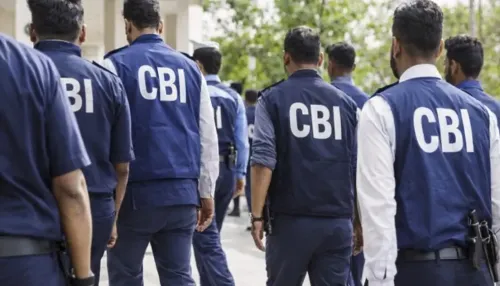
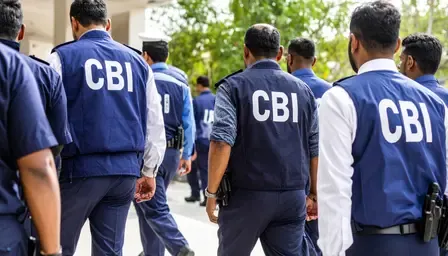
The Central Bureau of Investigation (CBI) on 7 November 2026 arrested Sudhakara T.M., Assistant Director and In-charge of the Plant Quarantine Station (PQS), Visakhapatnam, along with a private individual, Sunkavalli Satyanarayana, in connection with an alleged bribery case involving the clearance of import containers. The CBI said the entire bribe amount of ₹1 lakh was recovered during a sting operation conducted the previous day.
How the Trap Was Laid
The CBI registered a case on 6 November against two officials of the Plant Quarantine Station, including the Assistant Director, along with three private persons and some unidentified individuals. Acting on a complaint from a private firm, the agency set up a trap on Friday. During the operation, Sudhakara T.M. was allegedly caught red-handed accepting the bribe of ₹1 lakh through the alleged middleman Sunkavalli Satyanarayana.
What the Accused Allegedly Demanded
According to the CBI, the accused public servant allegedly demanded an undue advantage of ₹1 lakh from a private firm in exchange for clearing certain containers awaiting approval from the quarantine station. The CBI said the full bribe sum was recovered on the spot during the trap proceedings.
Searches and Seizures
Following the arrests, the CBI carried out searches at multiple premises linked to the accused — including locations in Visakhapatnam, Faridabad, and Thimanapalli village in Karnataka's Kolar district. Investigators are examining documents and other materials seized during the raids as part of the ongoing probe.
What Happens Next
Both accused were produced before the competent court in Visakhapatnam on Saturday. The CBI said further investigation is underway to establish the roles of other named accused persons and to determine whether similar instances of corruption had taken place in connection with container clearance processes at the station. This comes amid broader scrutiny of facilitation payments at port-linked regulatory bodies, where clearance bottlenecks have historically created opportunities for graft.
Point of View
With searches in Faridabad and Karnataka's Kolar district, signals the agency suspects a network rather than a lone actor. What mainstream coverage may underplay is the structural incentive: import-clearance delays cost firms real money per day, making a ₹1 lakh 'facilitation fee' economically rational from the payer's perspective — and that demand-side dynamic rarely gets addressed by supply-side arrests alone.
NationPress
7 Nov 2026
Frequently Asked Questions
Who was arrested by the CBI in the Visakhapatnam bribery case?
The CBI arrested Sudhakara T.M., Assistant Director and In-charge of the Plant Quarantine Station in Visakhapatnam, and Sunkavalli Satyanarayana, a private individual who allegedly acted as a middleman. Both were produced before a court in Visakhapatnam on 7 November 2026.
What was the bribe allegedly demanded in this case?
The accused public servant allegedly demanded ₹1 lakh from a private firm to clear certain import containers awaiting approval at the Plant Quarantine Station, Visakhapatnam. The CBI said the entire amount was recovered during the trap operation.
How did the CBI catch the accused?
The CBI registered the case on 6 November and laid a trap the same day. Sudhakara T.M. was reportedly caught red-handed while accepting the bribe through the alleged middleman Sunkavalli Satyanarayana.
Where did the CBI conduct searches after the arrests?
The CBI searched multiple locations linked to the accused, including premises in Visakhapatnam, Faridabad, and Thimanapalli village in Karnataka's Kolar district. Documents and other materials seized during the raids are under examination.
Is the CBI investigating anyone else in connection with this case?
Yes, the CBI said further investigation is underway to determine the roles of other named accused persons and to establish whether similar corruption incidents occurred at the Plant Quarantine Station. The original case was registered against two officials, three private persons, and some unidentified individuals.