CBI probe sought into Kerala wild elephant deaths as numbers halve since 2005
Synopsis
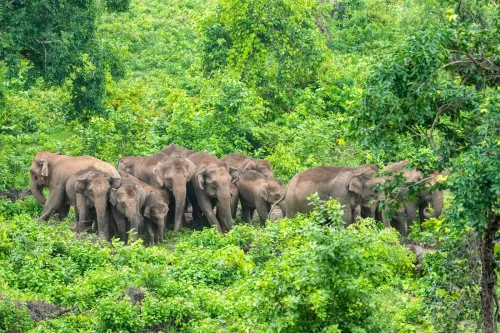
Kerala's wild elephant count has crashed from 5,135 in 2005 to just 1,793 in 2024 — a 65% collapse in two decades. Environmental groups are now demanding a CBI probe and a Kerala High Court-supervised inquiry, citing 744 deaths in just six years, possible poaching, and five districts accounting for nearly three-quarters of all mapped mortality.
Key Takeaways
Kerala's wild elephant population fell from 5,135 in 2005 to 1,793 in 2024 , a decline of roughly 65% .
A government expert committee recorded 744 wild elephant deaths between April 2019 and March 2025 , averaging 124 deaths per year .
Annual mortality rate was estimated at 4.45%–6.2% ; an earlier count logged 1,260 deaths between 2011 and 2026 .
Idukki , Ernakulam , Palakkad , Wayanad , and Malappuram together account for 72.5% of all mapped mortality records.
Environmental groups at Vana Spandanam demanded a CBI probe, a Kerala High Court -supervised investigation, and protection of elephant corridors.
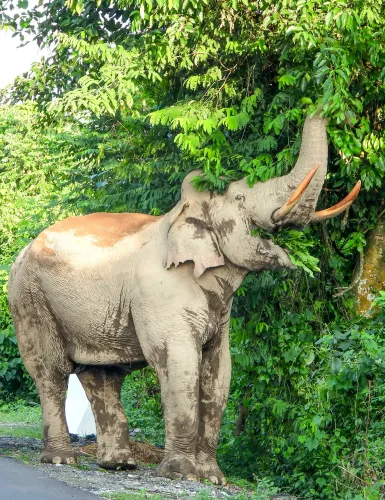
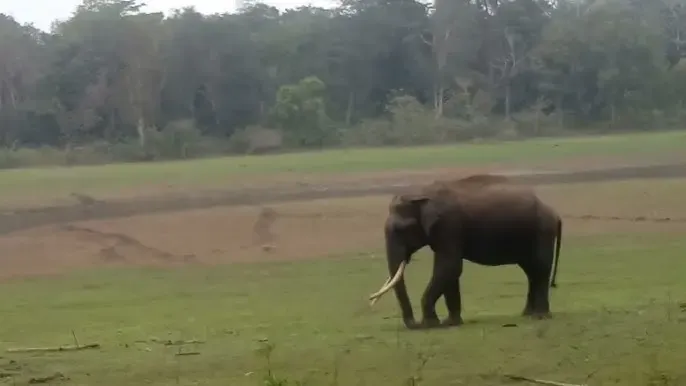
Recovery of tusks at death sites has raised concerns over possible poaching, groups said.
Environmental groups in Kerala have formally demanded a Central Bureau of Investigation (CBI) probe into the escalating deaths of wild elephants across the state, pointing to a dramatic collapse in the elephant population and a persistently high mortality rate over the past several years. The demand was placed before a three-day conclave of environmental organisations and activists in Thiruvananthapuram on 8 October 2026.
A Population in Freefall
According to Kerala Forest Department records, the state had an estimated 5,135 wild elephants in 2005. By 2023, that figure had dropped to 2,386 — and the 2024 census placed it even lower, at 1,793. That represents a decline of roughly 65% over two decades, a trajectory that conservationists describe as alarming. The Forest Department has attributed some fluctuation to elephant movement across state borders into neighbouring states, but activists argue that cross-border migration alone cannot account for numbers of this magnitude.
Scale of Mortality
A government-appointed expert committee recorded 744 wild elephant deaths in Kerala between April 2019 and March 2025 — an average of approximately 124 deaths per year. The committee estimated the annual mortality rate at between 4.45% and 6.2%. A longer historical record is equally stark: an earlier assessment documented 1,260 elephant deaths between 2011 and 2026, according to data cited in a recent report. The figures cover both natural and human-induced causes.
Geographic Concentration of Deaths
A recent GIS mapping exercise covering 1,196 recorded mortality cases identified a strong geographic clustering of deaths. Idukki district topped the list with 226 recorded deaths, followed by Ernakulam (203), Palakkad (152), Wayanad (146), and Malappuram (140). Together, these five districts accounted for 867 records — approximately 72.5% of all mapped mortality. Idukki, Ernakulam, and Palakkad alone contributed 581 records, close to half the total.
Poaching Fears and Key Demands
Environmental groups raised concerns about the recovery of elephant tusks at several death sites, warning that this pointed to possible poaching activity. The gathering, called Vana Spandanam, demanded an independent and detailed investigation into the causes and circumstances of each death, alongside a probe supervised by a special team under the oversight of the Kerala High Court. Activists also called for concrete action to protect elephant corridors and to clear obstructions from traditional migration routes.
Spotlight on Idukki Collector
The meeting praised Idukki Collector Dr Dineshan Cheruvatt for initiatives he has reportedly taken to remove such corridor obstructions, and expressed solidarity with him in the face of what the groups described as threats against him. The gathering demanded the registration of cases against those allegedly issuing such threats. Wayanad Nature Conservation Society President N. Badusha presided over the event. Environmental groups warned that without urgent intervention, continued deaths at the current rate could threaten the long-term survival of wild elephants in Kerala.
Point of View
Clustered heavily in five districts, and a mortality rate that a government committee itself placed as high as 6.2% annually — these are not statistical fluctuations. The Forest Department's cross-border migration alibi may explain seasonal counts but not a net loss of over 3,300 elephants. The tusk-recovery angle is the most urgent thread: if poaching is systematic, the absence of a CBI investigation so far is itself a question. The praise for Idukki Collector Dr Dineshan Cheruvatt — and the demands for cases against those allegedly threatening him — suggests that local resistance to corridor protection is organised, not incidental. High Court supervision would at minimum create a public accountability trail that state-level investigations have so far not generated.
NationPress
8 Oct 2026
Frequently Asked Questions
Why are environmental groups demanding a CBI probe into Kerala elephant deaths?
Environmental groups are seeking a CBI probe because Kerala's wild elephant population has fallen from 5,135 in 2005 to 1,793 in 2024, while 744 deaths were recorded between April 2019 and March 2025. Concerns over possible poaching — indicated by tusk recoveries at death sites — have added urgency to calls for an independent federal investigation.
How many wild elephants have died in Kerala in recent years?
A government-appointed expert committee recorded 744 wild elephant deaths in Kerala between April 2019 and March 2025, averaging about 124 deaths per year. A longer assessment documented 1,260 deaths between 2011 and 2026, covering both natural and human-induced causes.
Which districts in Kerala have recorded the most elephant deaths?
According to GIS-mapped mortality data covering 1,196 records, Idukki leads with 226 deaths, followed by Ernakulam (203), Palakkad (152), Wayanad (146), and Malappuram (140). These five districts together account for approximately 72.5% of all mapped elephant mortality in the state.
What is Vana Spandanam and what did it demand?
Vana Spandanam is a three-day meeting of environmental organisations and activists held in Kerala. It demanded a CBI probe into elephant deaths, a High Court-supervised special investigation, protection of elephant corridors, removal of obstructions from traditional migration routes, and cases against those allegedly threatening Idukki Collector Dr Dineshan Cheruvatt.
Has the Kerala Forest Department responded to the population decline?
The Kerala Forest Department has said that fluctuations in elephant counts can be partly linked to the movement of elephants between Kerala and neighbouring states. However, environmental groups argue this explanation does not adequately account for a decline of over 3,300 elephants since 2005.