CCS Evaluates Security of Indians Amidst Middle East Escalation
Synopsis
In light of recent air strikes in Iran and escalating tensions in the Middle East, the Cabinet Committee on Security convened to assess the safety of Indian citizens in the region and the implications for broader regional stability.
Key Takeaways
CCS convened to discuss air strikes in Iran and regional tensions.
Serious concerns raised about the safety of Indian expatriates.
CCS directed measures to assist affected Indian nationals.
Importance of diplomatic solutions emphasized.
India's balanced approach towards Middle East crisis highlighted.
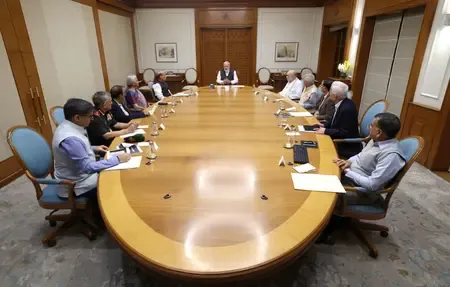
New Delhi, March 2 (NationPress) The Cabinet Committee on Security (CCS) convened to discuss the air strikes in Iran that occurred on February 28 and the resulting tensions in the Middle East, alongside the safety of Indian citizens in the area.
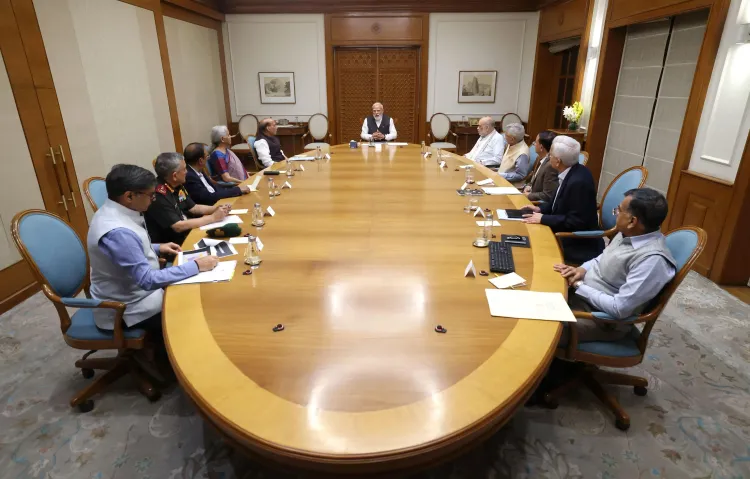
Led by Prime Minister Narendra Modi, the CCS assessed the ongoing situation in West Asia on Sunday.
The meeting, which is the main decision-making body for India's security and strategic issues, took place amidst a rapidly worsening geopolitical landscape in the Middle East due to coordinated US-Israeli airstrikes on Iran, heightening regional conflicts and global security worries.
In attendance were Defence Minister Rajnath Singh, Home Minister Amit Shah, External Affairs Minister S. Jaishankar, Finance Minister Nirmala Sitharaman, NSA Ajit Doval, and Foreign Secretary Vikram Misri.
As per the official statement, the committee was updated on the air strikes in Iran on February 28 and the ensuing escalation, which included attacks across several Gulf nations.
The statement highlighted that the CCS expressed profound concern regarding the safety and security of the substantial Indian expatriate population in the region.
Additionally, the CCS evaluated the difficulties faced by Indian travelers passing through the region and students preparing for scheduled examinations, along with the wider implications for regional security, economic conditions, and commercial operations.
The CCS instructed all relevant departments to implement necessary and practical measures to support Indian nationals affected by these developments. It emphasized the urgent need for an end to hostilities and a return to diplomatic discussions, as stated in the official release.
India continues to maintain a balanced position amid the Middle East crisis, advocating for de-escalation while ensuring the safety of its citizens and safeguarding economic relationships.
This meeting is the latest in a series of critical security evaluations as global tensions escalate.
Frequently Asked Questions
What prompted the CCS meeting?
The CCS meeting was prompted by recent air strikes in Iran and escalating conflicts in the Middle East, raising concerns for the safety of Indian citizens.
Who attended the CCS meeting?
The meeting included key figures such as Prime Minister Narendra Modi, Defence Minister Rajnath Singh, and Home Minister Amit Shah, among others.
What actions did the CCS propose?
The CCS directed relevant departments to take necessary measures to assist Indian nationals affected by the situation and emphasized the need for diplomatic resolutions.
How does India view its role in the Middle East crisis?
India maintains a balanced stance, advocating for de-escalation while ensuring the safety of its citizens and protecting economic ties in the region.
What are the broader implications of the CCS meeting?
The meeting highlights the need for ongoing assessments of regional security and the safety of Indian expatriates amidst increasing tensions.