CDS Chauhan Strengthens India-US Indo-Pacific Security Ties in Key Meet
Synopsis
CDS General Anil Chauhan's back-to-back meetings with top US and UK military officials signal India's most aggressive defence diplomacy push in years — with Tri-Service operational expansions and tech-driven military convergence now firmly on the table across the Indo-Pacific.
Key Takeaways
CDS General Anil Chauhan met General Kevin B.
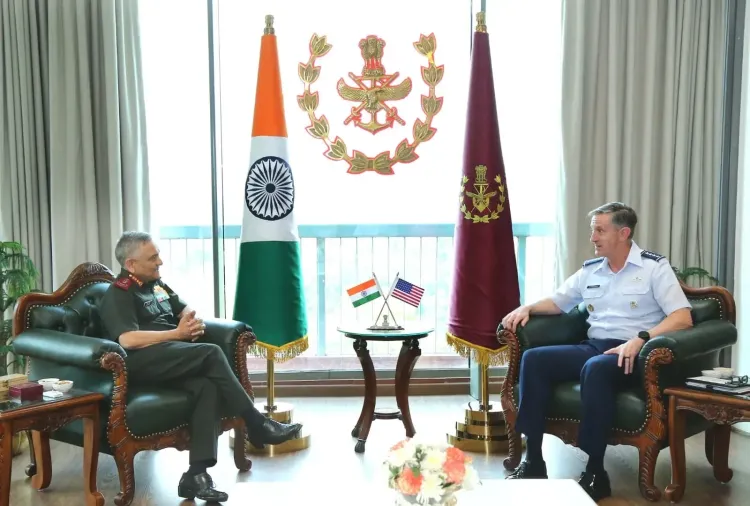
Schneider , Commander of Pacific Air Forces and US Indo-Pacific Command Air Component Commander, on Saturday, April 25, 2025 , in Washington.
Both India and the US pledged to expand and operationalise Tri-Service engagements — covering Army, Navy, and Air Force — in scope, complexity, and frequency.
Technology was identified as a "defining determinant of modern power" , with the India-US partnership set to evolve with greater synergy and strategic foresight.
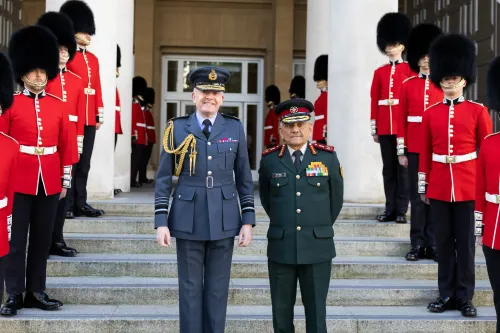
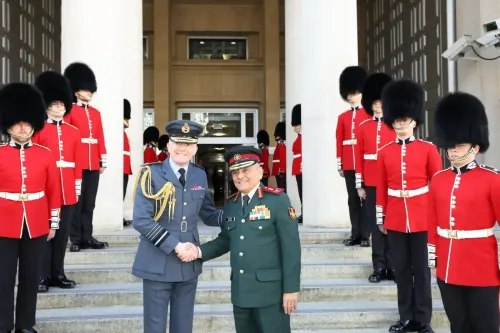
Earlier in the week, General Chauhan visited the UK and met Air Chief Marshal Sir Richard Knighton , UK CDS, reaffirming shared commitments on cyber threats, trade security, and Indo-Pacific stability.
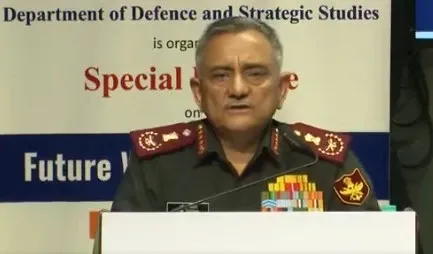
General Chauhan addressed the Royal College of Defence Studies (RCDS) in London on the "Impact of Recent Conflicts on Military Strategy" , highlighting India's strategic dilemmas and global role.
The engagements are seen as groundwork for the upcoming India-US 2+2 Ministerial Dialogue expected later in 2025 , where key defence commitments may be formalised.
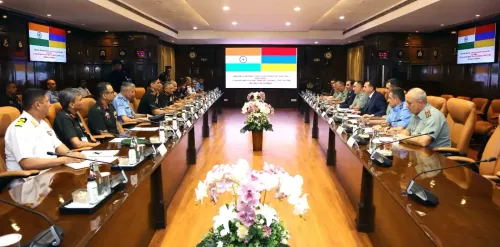
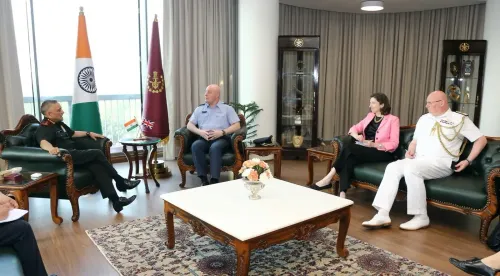
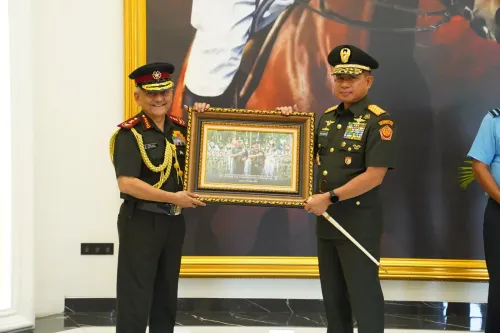
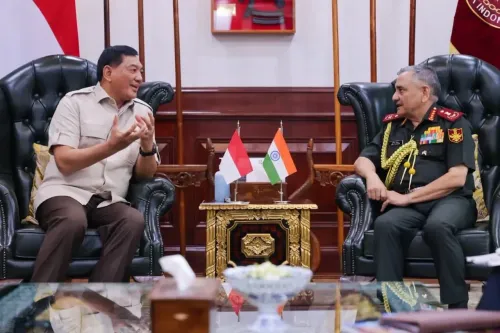
Washington, April 25: Chief of Defence Staff (CDS) General Anil Chauhan held high-level strategic discussions with General Kevin B. Schneider, Commander of Pacific Air Forces and Air Component Commander of the US Indo-Pacific Command, reinforcing the rapidly deepening defence partnership between India and the United States. The talks, held on Saturday, centred on shared priorities in regional security and a mutual commitment to preserving peace and stability across the Indo-Pacific and beyond.
Strategic Convergence at the Core of India-US Talks
The Headquarters of Integrated Defence Staff confirmed the engagement via an official post on X (formerly Twitter), stating that the meeting reaffirmed the deepening strategic convergence between India and the US. Both sides underscored a shared resolve to ensure enduring regional security and long-term stability across the Indo-Pacific theatre.
Crucially, both nations articulated a "clear intent to expand and operationalise" the scope, complexity, and frequency of bilateral and Tri-Service engagements — a significant signal that defence cooperation is moving beyond dialogue into concrete operational planning.
"Recognising technology as a defining determinant of modern power, the partnership continues to evolve with enhanced synergy, capability and strategic foresight," the Integrated Defence Staff added in its official statement.
Why This Meeting Matters: The Indo-Pacific Power Play
This engagement comes at a time of heightened geopolitical tension in the Indo-Pacific, with China's expanding naval presence, assertive posturing in the South China Sea, and growing concerns over Taiwan Strait stability. India's deepening defence alignment with the US through forums like the Quad and bilateral military exercises such as Yudh Abhyas and Cope India reflects a calibrated strategic shift.
The emphasis on Tri-Service engagements — covering Army, Navy, and Air Force — signals India's intent to move toward a fully integrated joint operational framework with the US, a level of interoperability previously reserved for Washington's closest treaty allies.
Technology cooperation, specifically referenced in the statement, aligns with the broader India-US Initiative on Critical and Emerging Technology (iCET), launched in 2023, which covers artificial intelligence, semiconductor supply chains, and advanced defence systems.
General Chauhan's UK Visit: Building a Multi-Front Strategic Architecture
The Washington engagement followed General Chauhan's official visit to the United Kingdom earlier in the week, where he met his UK counterpart, Air Chief Marshal Sir Richard Knighton, Chief of the Defence Staff, UK. The two leaders reaffirmed their nations' shared commitment to addressing contemporary global challenges — from trade imbalances and cyber threats to advancing a stable Indo-Pacific order.
The Integrated Defence Staff stated: "This visit will strengthen defence cooperation and strategic convergence, underscoring a shared commitment to global security, stability and resilience."
During the UK visit, General Chauhan also interacted with the Commandant and faculty of the prestigious Royal College of Defence Studies (RCDS) in London, engaging on the evolving global security environment and its strategic implications.
Address at Royal College of Defence Studies: India's Strategic Doctrine in Focus
In a significant address to the RCDS's senior cohort, General Chauhan spoke on the theme "Impact of Recent Conflicts on Military Strategy". He highlighted the changing nature of conflict, India's unique strategic dilemmas — including its two-front challenge with China and Pakistan — and India's evolving role in shaping a stable global order.
This address is notable as it reflects India's growing confidence in articulating its strategic doctrine on the world stage, moving from a traditionally non-aligned posture to one of active, principle-based engagement with like-minded democracies.
Broader Implications: India's Accelerating Defence Diplomacy
The back-to-back engagements — first in the UK and then with the US Indo-Pacific Command — paint a clear picture of India's intensifying defence diplomacy in April 2025. As tensions in the Indo-Pacific escalate and global supply chains for critical technologies become increasingly contested, India's position as a pivotal swing state in the emerging multipolar order is being actively consolidated.
With the India-US Defence Technology and Trade Initiative (DTTI) and the iCET framework already in motion, the operationalisation of Tri-Service engagements discussed in this meeting could soon translate into joint patrols, co-developed defence platforms, and expanded intelligence-sharing arrangements — developments that will define the security architecture of the Indo-Pacific for years to come.
As both Washington and New Delhi deepen their strategic footprint, all eyes will be on the upcoming 2+2 Ministerial Dialogue between India and the US, expected later in 2025, which is likely to formalise several of the commitments discussed at the CDS level.
Point of View
Suggesting these talks are laying the operational groundwork for agreements that will be formalised at the ministerial level. What the mainstream narrative misses is that India is simultaneously managing a tense border standoff with China — making this western military outreach a calculated hedge, not merely goodwill. New Delhi is playing a long game, and it is playing it with increasing sophistication.
NationPress
9 Oct 2026
Frequently Asked Questions
What did CDS General Anil Chauhan discuss with the US Indo-Pacific Command?
CDS General Anil Chauhan met General Kevin B. Schneider, Commander of Pacific Air Forces and Air Component Commander of the US Indo-Pacific Command, to reaffirm India-US strategic convergence and discuss expanding bilateral and Tri-Service defence engagements. Both sides also emphasised technology as a key driver of modern military power.
Why is India deepening ties with the US Indo-Pacific Command?
India is strengthening its engagement with the US Indo-Pacific Command amid rising Chinese military assertiveness in the South China Sea and broader Indo-Pacific region. Deepening Tri-Service cooperation and technology partnerships align with India's strategic interest in maintaining a stable, rules-based regional order.
What happened during General Chauhan's visit to the United Kingdom?
During his UK visit, General Chauhan met UK CDS Air Chief Marshal Sir Richard Knighton to advance defence cooperation on cyber threats, trade security, and Indo-Pacific stability. He also addressed the Royal College of Defence Studies on how recent global conflicts are reshaping military strategy.
What is the significance of India-US Tri-Service engagements?
Tri-Service engagements involve coordinated operations across the Army, Navy, and Air Force — a level of military interoperability typically shared only among treaty allies. India expanding these with the US marks a significant upgrade in the bilateral defence relationship beyond traditional joint exercises.
How does this meeting relate to the India-US iCET framework?
The India-US Initiative on Critical and Emerging Technology (iCET), launched in 2023, focuses on AI, semiconductors, and advanced defence systems. General Chauhan's talks with US Indo-Pacific Command reinforced technology as central to the evolving partnership, aligning closely with iCET's defence technology goals.