CEC Gyanesh Kumar meets Bhutan PM, King on 3-day Thimphu visit
Synopsis
India's Chief Election Commissioner Gyanesh Kumar wrapped a three-day Bhutan visit with meetings at the highest level — the Prime Minister and the King — while also launching the ERA election management system at Bhutan's National Voters' Day. It is a quiet but meaningful signal of India's growing soft-power diplomacy through electoral institution-building.
Key Takeaways
CEC Gyanesh Kumar visited Bhutan for three days , concluding around 17 September 2026 .
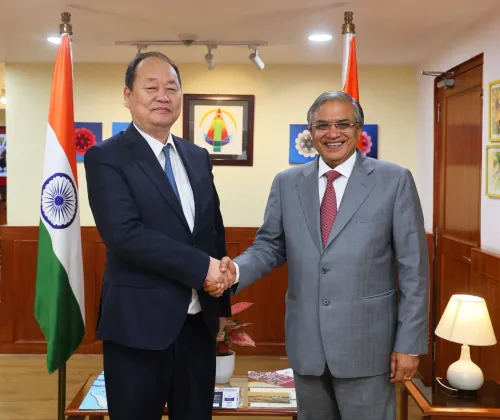
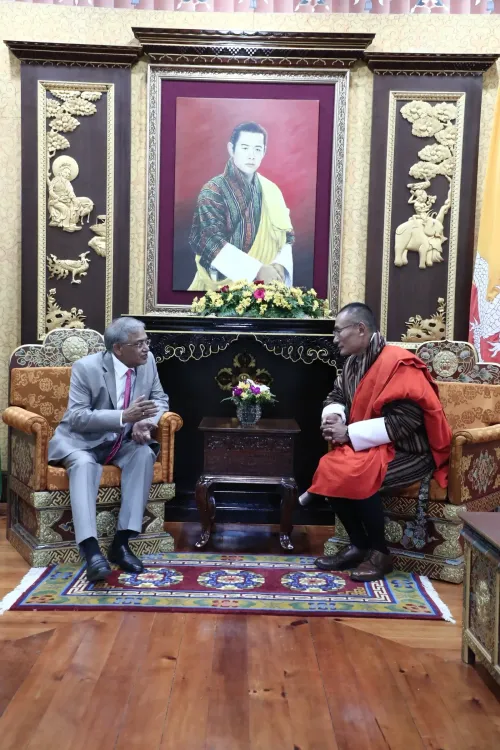
Kumar met Bhutan Prime Minister Tshering Tobgay to discuss shared democratic values and cultural bonds between the two countries.
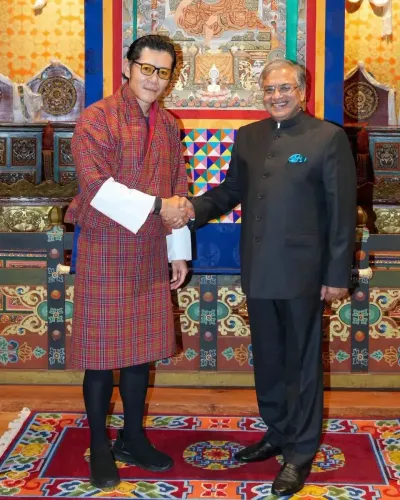
He also called on King Jigme Khesar Namgyel Wangchuck in Thimphu .
Kumar attended the National Voters' Day and International Day of Democracy event as Chief Guest at the Jigme Singye Wangchuck School of Law, Paro on 15 September 2026 .
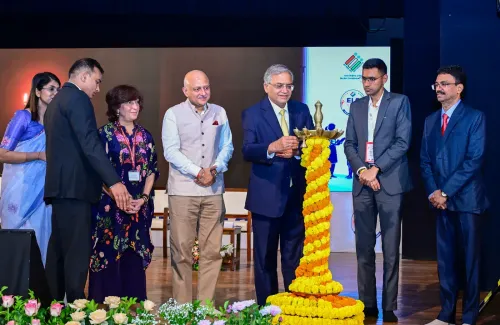
He launched the Election and Results Administrative (ERA) System and an e-Learning Course during the event.
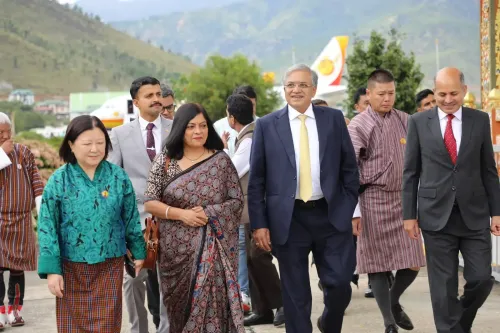
Chief Election Commissioner (CEC) Gyanesh Kumar met Bhutan Prime Minister Tshering Tobgay during a three-day visit to the Himalayan kingdom, exchanging views on shared democratic values and the role of spirituality and culture in strengthening bilateral ties, the Election Commission of India (ECI) said on Thursday, 17 September 2026.
Key Meetings and Engagements
The ECI, in a post on X, confirmed that CEC Kumar and Prime Minister Tobgay discussed 'the enduring role of spirituality and culture in strengthening the close bonds of friendship between the peoples of the two countries.' The high-level meeting took place on the sidelines of Kumar's visit to Bhutan for its National Voters' Day function on 15 September 2026.
Kumar also called on Bhutan's King Jigme Khesar Namgyel Wangchuck in Thimphu on Monday. According to a post on the King's Facebook account, 'His Majesty granted an audience today to the Indian Chief Election Commissioner, who is on a 3-day visit to Bhutan.'
National Voters' Day Function in Paro
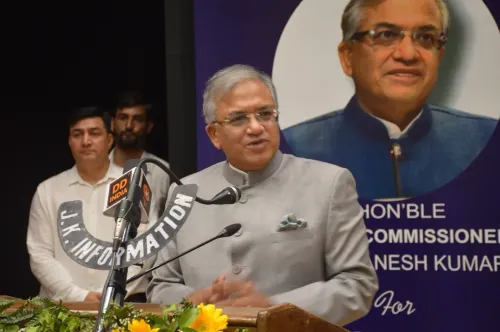
CEC Kumar attended Bhutan's National Voters' Day and International Day of Democracy event on 15 September 2026 as Chief Guest at the Jigme Singye Wangchuck School of Law in Paro. During the event, he addressed young voters, launched the Election and Results Administrative (ERA) System and an e-Learning Course, and presented awards to winners of the Democracy Reel Competition.
Significance for India-Bhutan Institutional Ties
Ahead of the visit, an official statement noted that it was intended to further strengthen institutional cooperation between the ECI and the Election Commission of Bhutan, building on sustained bilateral engagement. The ECI regularly engages with foreign electoral bodies to promote democratic practices and election management best practices — and Bhutan, as India's close Himalayan neighbour, holds particular strategic and cultural relevance in that framework.
Notably, this visit comes as India and Bhutan continue to deepen ties across governance, culture, and infrastructure, with election administration emerging as a newer pillar of that cooperation. The launch of the ERA System signals a tangible technology-transfer dimension to the relationship.
What Comes Next
The ECI is expected to build on the outcomes of this visit through continued institutional exchanges with Bhutan's electoral body. The ERA System and e-Learning Course, once operational, could serve as a model for other countries in South Asia seeking to modernise their election infrastructure with Indian support.
Point of View
With Bhutan as a receptive partner. The launch of the ERA System is the most concrete outcome: it embeds Indian technical expertise into Bhutan's election infrastructure, a form of institutional influence that outlasts any summit communiqué. As India's geopolitical competition with China intensifies along the Himalayan arc, deepening governance ties with Bhutan through bodies like the ECI serves a dual purpose — genuine democratic cooperation and strategic adjacency. The question worth asking is whether such institution-to-institution diplomacy will be replicated more ambitiously with other neighbours where India's democratic credibility could carry real weight.
NationPress
17 Sept 2026
Frequently Asked Questions
Why did CEC Gyanesh Kumar visit Bhutan?
CEC Gyanesh Kumar visited Bhutan for three days to attend the country's National Voters' Day and International Day of Democracy event on 15 September 2026, where he served as Chief Guest. The visit also aimed to strengthen institutional cooperation between the Election Commission of India and the Election Commission of Bhutan.
Who did CEC Kumar meet during his Bhutan visit?
CEC Kumar met Bhutan Prime Minister Tshering Tobgay to discuss shared democratic values and cultural ties. He also called on King Jigme Khesar Namgyel Wangchuck in Thimphu, who confirmed the audience on his official Facebook account.
What is the ERA System that was launched in Bhutan?
The ERA, or Election and Results Administrative System, is an election management platform launched by CEC Kumar at the Jigme Singye Wangchuck School of Law in Paro during Bhutan's National Voters' Day event. An accompanying e-Learning Course was also launched at the same event.
What did CEC Kumar do at Bhutan's National Voters' Day event?
As Chief Guest at the event held on 15 September 2026 in Paro, CEC Kumar addressed young voters of Bhutan, launched the ERA System and an e-Learning Course, and presented awards to winners of the Democracy Reel Competition.
How does India engage with Bhutan on electoral matters?
The Election Commission of India regularly engages with Bhutan's electoral body as part of broader bilateral cooperation. This visit is described as building on continued institutional engagement, with the ERA System launch marking a new technology-transfer dimension to the relationship.