Satluj film OTT removal: Centre orders 3-member review after BJP Punjab appeal
Synopsis
The Centre has stepped in on the 'Satluj' OTT controversy, ordering a formal three-member review after Punjab BJP chief Kewal Singh Dhillon escalated the matter. With AAP alleging political suppression of Punjab's history and BJP framing it as a cultural rights issue, the dispute has moved well beyond a streaming dispute into contested historical memory.
Key Takeaways
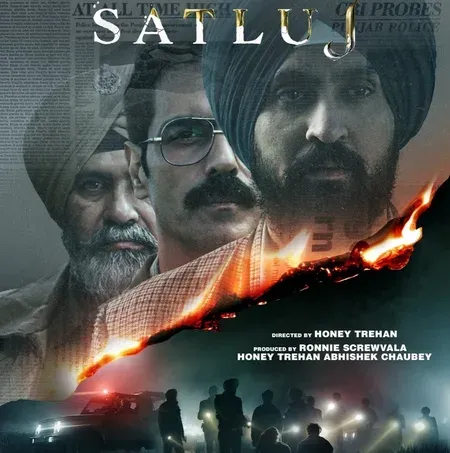
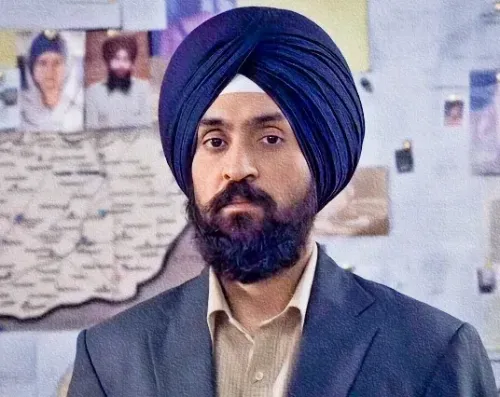
The Ministry of Information and Broadcasting has constituted a three-member review committee to examine the OTT removal of Punjabi film 'Satluj' .
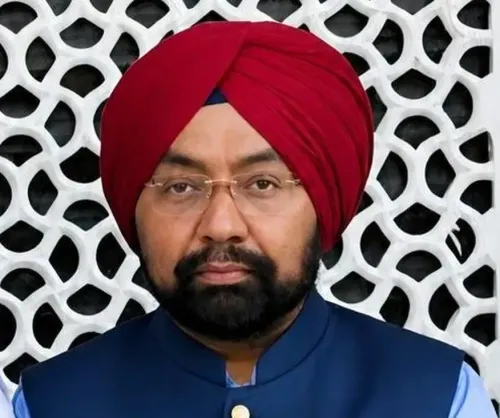
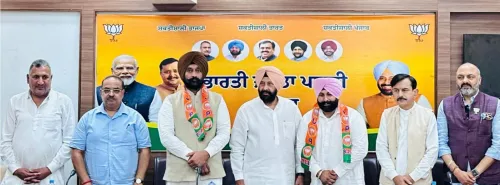
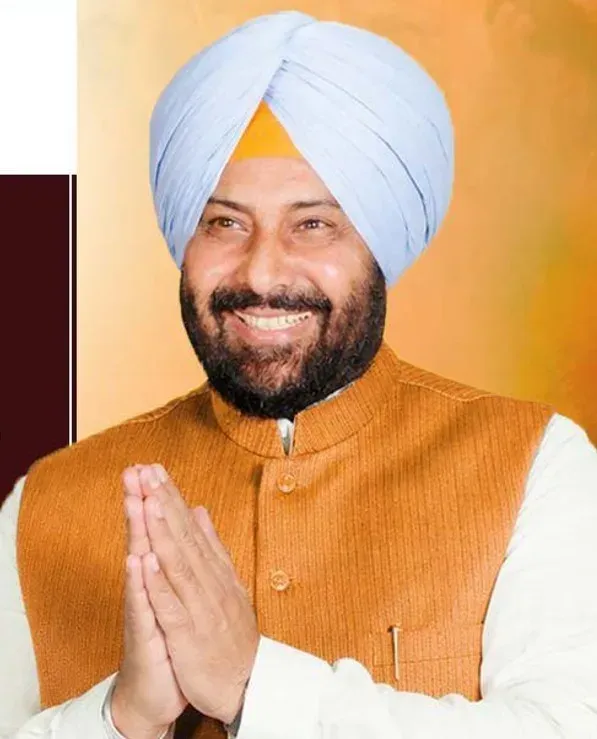
The review was triggered by an appeal from Punjab BJP President Kewal Singh Dhillon to the Government of India .
Dhillon called for due process, transparency, and respect for Punjab's cultural identity in resolving the matter.
AAP condemned the film's removal, alleging that BJP and Congress are colluding to erase difficult chapters of Punjab's history from 1978 , 1984 , and the 1990s .
AAP spokesperson Baltej Pannu argued that films are a critical vehicle for preserving historical truth when books and documentaries are inaccessible.
The Ministry of Information and Broadcasting has directed a three-member review committee to examine the circumstances surrounding the removal of the Punjabi film 'Satluj' from an OTT platform, acting on an appeal filed by Punjab Bharatiya Janata Party (BJP) President Kewal Singh Dhillon. The development, confirmed on 7 July, marks a formal intervention by the Centre in a controversy that has drawn sharp reactions from across Punjab's political and cultural landscape.
How the Review Was Triggered
Dhillon submitted a representation to the Government of India after members of the Punjabi film industry and the public raised concerns about the manner in which 'Satluj' was pulled from the streaming platform. He said he considered it his responsibility to escalate the matter given the breadth of concern expressed by artists and audiences alike.
Welcoming the Centre's response, Dhillon said in a statement that Punjab's cinema and its artists represent the voice, history, and cultural identity of the people. He stressed that 'due process, transparency and respect for Punjab's cultural and creative voices must always go hand in hand,' and expressed confidence that the committee would conduct a comprehensive and fair review.
BJP Punjab's Position
Dhillon underlined that while the rule of law must be upheld at all times, the genuine concerns of Punjab's film fraternity and the wider public deserve 'a fair and objective hearing.' He added that the BJP Punjab unit would continue to engage constructively with all stakeholders to help ensure an expeditious and just resolution of the matter.
AAP Condemns the Removal
The Aam Aadmi Party (AAP) state unit took a sharply different stance, condemning the film's removal from the OTT platform and alleging a political motive behind it. AAP claimed that the BJP and the Indian National Congress (Congress) are working in concert to suppress Congress's 'black history' in Punjab and prevent younger generations from learning about what it described as some of the darkest chapters in the state's past.
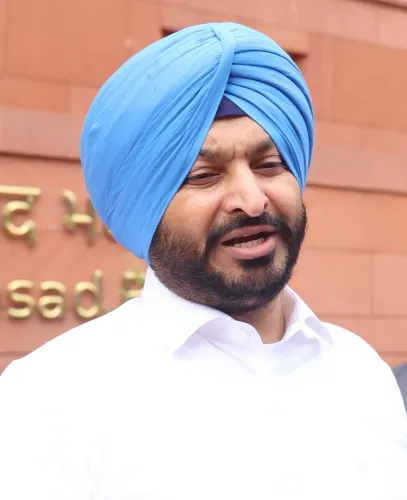
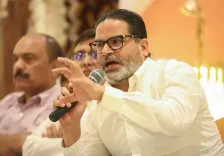
AAP spokesperson Baltej Pannu argued that the younger generation wants to understand what happened in Punjab during 1978, 1984, the 1990s, and other critical periods. 'If they are denied access to books and documentaries, films become an important way to preserve historical truth,' Pannu said.
What Happens Next
The three-member review committee constituted by the Ministry of Information and Broadcasting is now tasked with examining the circumstances of the film's OTT removal. No timeline for the committee's findings has been announced publicly. The case has put a spotlight on the regulatory framework governing OTT content in India and the extent to which political representations can trigger formal content reviews.
Point of View
It raises questions about the independence of OTT regulation and the neutrality of the process. The AAP's framing — that the removal is an attempt to suppress Punjab's turbulent history — adds a charged dimension that the committee cannot afford to sidestep. How it handles the historical sensitivity of the film's subject matter will say as much about institutional credibility as it does about the film itself.
NationPress
6 Oct 2026
Frequently Asked Questions
Why was the Punjabi film 'Satluj' removed from the OTT platform?
The specific reasons for the removal of 'Satluj' from the OTT platform have not been officially disclosed. The Ministry of Information and Broadcasting has constituted a three-member review committee to examine the circumstances surrounding the removal.
Who appealed to the Centre over the 'Satluj' OTT controversy?
Punjab BJP President Kewal Singh Dhillon submitted an appeal to the Government of India after members of the Punjabi film industry and the public raised concerns about the manner in which the film was removed from the streaming platform.
What has the Ministry of Information and Broadcasting decided?
The Ministry of Information and Broadcasting has directed a three-member review committee to examine the circumstances of the film's OTT removal. No public timeline for the committee's findings has been announced.
What is AAP's position on the 'Satluj' film controversy?
The Aam Aadmi Party has condemned the film's removal, alleging that BJP and Congress are working together to suppress Congress's role in Punjab's history, particularly events from 1978, 1984, and the 1990s. AAP spokesperson Baltej Pannu argued that films are vital for preserving historical truth.
What does the 'Satluj' controversy mean for OTT regulation in India?
The case highlights questions about the regulatory framework governing OTT content in India and whether political representations can routinely trigger formal content reviews by the Ministry of Information and Broadcasting. The review committee's findings are expected to have broader implications for content governance on streaming platforms.