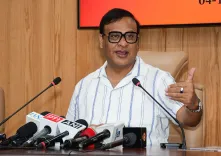
Satluj OTT removal: Shashi Ranjan says banning films creates more curiosity
Synopsis
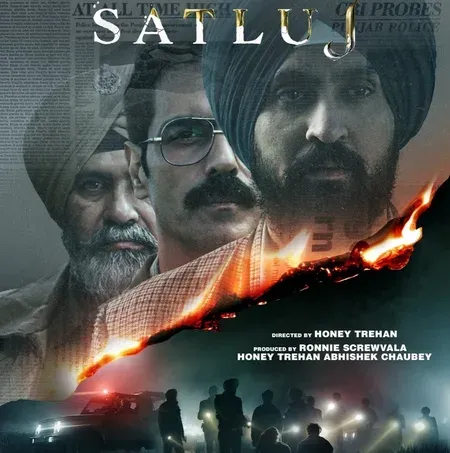
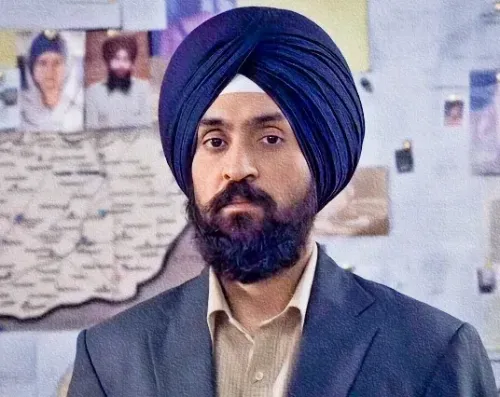
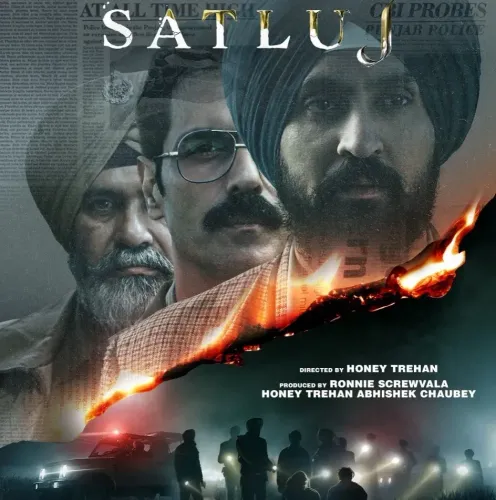
Within 48 hours of its ZEE5 debut, Diljit Dosanjh's 'Satluj' — formerly Punjab '95 — was pulled amid government concerns over its depiction of 1990s Punjab police excesses. Filmmaker Shashi Ranjan's pushback cuts to the heart of a recurring tension in Indian cinema: does removing a film silence it, or simply make more people want to watch it?
Key Takeaways
Diljit Dosanjh 's film 'Satluj' (formerly Punjab '95 ) was removed from ZEE5 within 48 hours of its Indian streaming release.
The removal was reportedly triggered by government concerns over the film's portrayal of alleged police excesses in Punjab during the 1990s .
Filmmaker and actor Shashi Ranjan described 'Satluj' as one of the finest Indian films in recent years and opposed its removal.
Ranjan argued that banning films creates public curiosity and does not prevent educated youth from accessing historical narratives.
The film was leaked online within hours of being taken down from ZEE5 .
Ranjan expressed hope that 'Satluj' would be reinstated on a digital platform soon.
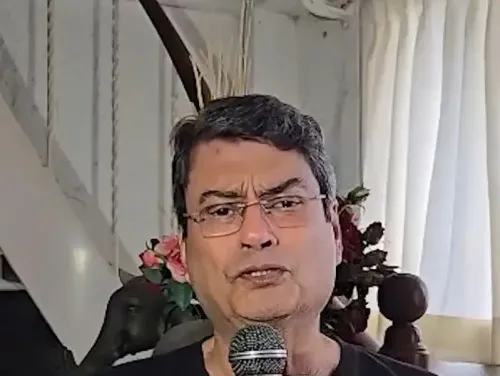
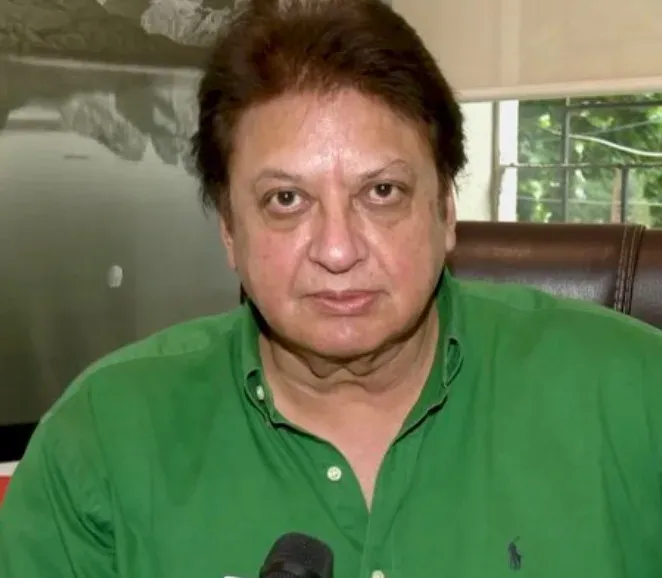
Filmmaker and actor Shashi Ranjan has spoken out against the removal of Diljit Dosanjh's film 'Satluj' from the ZEE5 streaming platform, arguing that banning films based on historical subjects causes more harm than good. His remarks came after the film was pulled from the platform within 48 hours of its release on ZEE5 in India, amid concerns raised by government authorities over its portrayal of alleged police excesses in Punjab during the 1990s.
Shashi Ranjan's Praise for the Film
Ranjan described 'Satluj' as one of the finest films he had seen in recent years, citing its emotional depth and narrative craft. 'After a long time, I watched a film that left me with a threefold reaction. Firstly, I became extremely emotional after watching the film. Secondly, the story and the way it has been made completely took me by surprise. After so many years, I came across a film with such a beautiful narrative and such powerful emotions. Among all the films that have released in the past several years, this is one of the finest films I have seen,' he said.
Why He Opposes the Ban
Ranjan was unequivocal in his opposition to the removal, contending that restrictions on films depicting historical events tend to generate greater public interest rather than suppress it. 'I believe that banning any kind of film does not serve any purpose; instead, it causes more harm. When a film is banned, it creates curiosity among people about why it was prohibited,' he said. He added that he strongly disagreed with the notion that presenting difficult chapters of history to educated young audiences would mislead them.
Background: Satluj's Removal from ZEE5
'Satluj', formerly titled Punjab '95, stars Diljit Dosanjh and depicts events related to alleged police excesses during the turbulent decade of the 1990s in Punjab. The film was taken down from ZEE5 within 48 hours of its Indian streaming debut, reportedly following concerns raised by government authorities. Notably, the film was also leaked online within hours of its removal from the platform — a pattern that critics argue underscores Ranjan's point about bans amplifying, rather than limiting, reach.
Calls for the Film's Return
Ranjan expressed hope that the film would soon be reinstated on a digital platform. 'I feel it is unfortunate that the film has been removed from OTT platforms, and I hope it returns soon,' he said. His comments add to a growing chorus of voices from the film industry questioning the basis and effectiveness of content removals tied to historical or politically sensitive narratives. This is not the first time an Indian film dealing with the 1990s Punjab period has faced distribution hurdles — the subject has historically been a flashpoint between creative freedom and state-level sensitivities.
Point of View
And under what legal or regulatory framework. Until that accountability gap is addressed, OTT platforms will remain vulnerable to ad-hoc content suppression dressed up as compliance.
NationPress
10 Oct 2026
Frequently Asked Questions
Why was 'Satluj' removed from ZEE5?
'Satluj' was pulled from ZEE5 within 48 hours of its Indian streaming debut, reportedly due to concerns raised by government authorities over the film's depiction of alleged police excesses in Punjab during the 1990s. No formal legal order has been publicly cited.
What is 'Satluj' about?
'Satluj', formerly titled Punjab '95, stars Diljit Dosanjh and deals with events related to alleged police excesses in Punjab during the 1990s. The film has been described by viewers and industry figures as emotionally powerful and narratively strong.
Who is Shashi Ranjan and why is his opinion significant?
Shashi Ranjan is a filmmaker and actor who has spoken out against the removal of 'Satluj' from OTT platforms. His comments reflect a broader industry discomfort with content takedowns linked to historical or politically sensitive subjects.
Was 'Satluj' leaked after its removal from ZEE5?
Yes, 'Satluj' was leaked online within hours of being taken down from ZEE5 — an outcome that critics argue illustrates why bans often amplify a film's reach rather than restrict it.
What did Shashi Ranjan say about banning historical films?
Ranjan said he strongly disagreed with banning films on historical subjects, arguing that such restrictions create curiosity rather than suppress interest. He also said that presenting history through cinema does not mislead today's educated youth.