Satluj film row: RS MP Vikramjit Sahney urges Punjab to guard its hard-won peace
Synopsis
Rajya Sabha MP Vikramjit Sahney has stepped into the Satluj controversy with a carefully calibrated message: acknowledge Punjab's dark history of alleged extra-judicial killings, but don't let a film become the match that reignites old divisions. His invocation of Jaswant Singh Khalra's legal legacy — and the CBI's 62 registered cases — adds institutional weight to a debate that risks turning political.
Key Takeaways
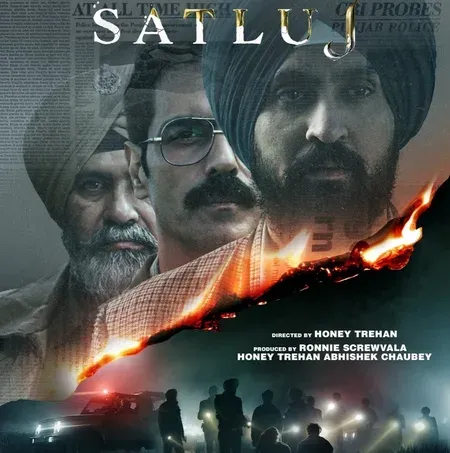
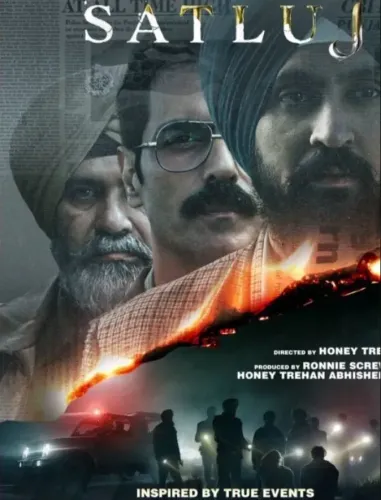
Rajya Sabha MP Vikramjit Sahney expressed deep concern over public discourse surrounding the Diljit Dosanjh -starrer Satluj on Monday, 13 July .
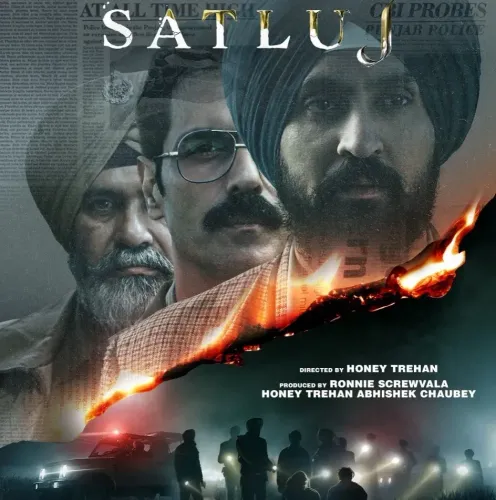
The film depicts alleged disappearances, fake encounters, extra-judicial killings, and illegal cremations in Punjab's militancy era.
Sahney clarified that Satluj is not 'Punjab Files' and does not seek to justify terrorism or cover the full history of militancy.
The Supreme Court , NHRC , and CBI — which registered 62 cases — had previously taken cognizance of the disappearances issue raised by Jaswant Singh Khalra .
Sahney urged that the debate be allowed to rest, calling on Punjabis to draw lessons from history rather than reopen wounds.
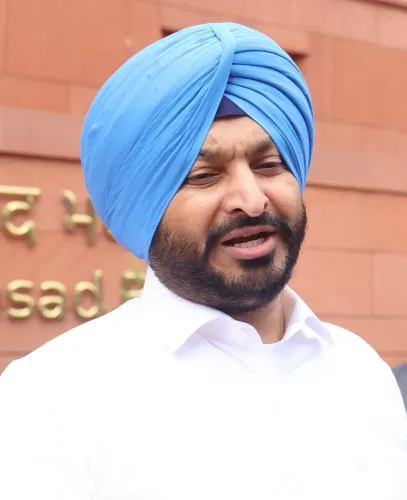
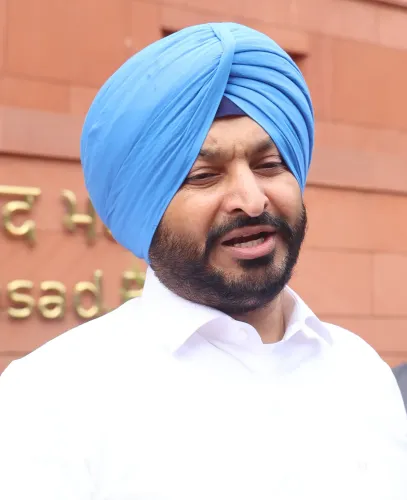
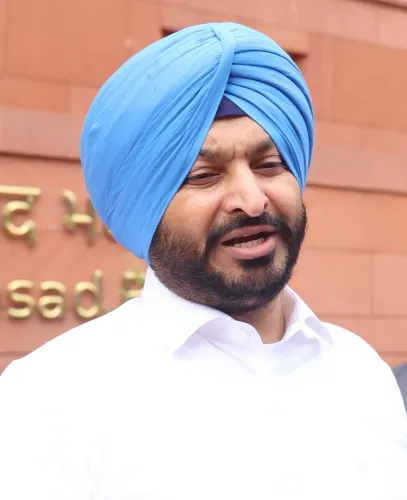
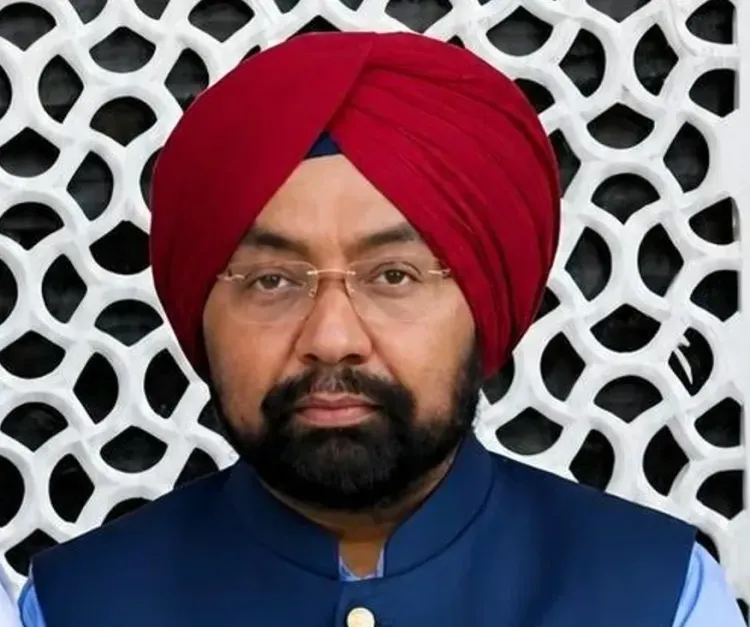
Rajya Sabha MP Vikramjit Sahney on Monday called for calm over the controversy surrounding the Diljit Dosanjh-starrer Satluj, saying Punjab's hard-earned peace must not be endangered by what he described as 'uncalled narratives.' Speaking from Chandigarh, Sahney said he was deeply pained by the ongoing public discourse around the film.
What the Film Depicts
Sahney acknowledged that Satluj centres on a specific chapter of Punjab's history — one involving alleged disappearances, fake encounters, extra-judicial killings, and illegal cremations carried out without informing victims' families. He stressed, however, that the film represents an artistic interpretation of those events and should not be treated as a comprehensive account of Punjab's entire history of terrorism and militancy.
He was emphatic that neither Diljit Dosanjh nor the filmmakers have sought to justify terrorism or minimise the enormous suffering caused by militancy — a period that claimed the lives of thousands of civilians, security personnel, and public servants during what he called Punjab's 'darkest years.'
The Jaswant Singh Khalra Connection
Sahney drew attention to the constitutional path taken by human rights activist Jaswant Singh Khalra, whose work forms a backdrop to the film's subject matter. He noted that Khalra pursued the issue of disappearances and illegal cremations strictly through legal channels, including filing habeas corpus petitions before courts.
The Supreme Court of India and the National Human Rights Commission (NHRC) subsequently took cognizance of these matters. The Central Bureau of Investigation (CBI) registered 62 cases for investigation, and Khalra's own abduction and murder eventually led to the conviction of Punjab Police officials by a court of law.
Sahney's Call for Closure
With the film now widely viewed across the state, Sahney argued that the debate should be allowed to settle rather than be used to reopen old wounds or relitigate painful chapters of the past. He urged Punjabis to treat these dark historical episodes as lessons that can strengthen justice and preserve the social harmony necessary for a progressive and peaceful Punjab.
Notably, his remarks come amid a broader national conversation about how cinema engages with sensitive historical events — a debate that has intensified following several recent films touching on conflict, identity, and state conduct.
Broader Context
The controversy over Satluj reflects a recurring tension in Indian public discourse: the line between artistic freedom and the potential for films to inflame community sentiment or rekindle historical grievances. Sahney's intervention signals that even political voices sympathetic to the film's subject matter are urging restraint, underscoring the fragility of Punjab's social fabric even decades after the militancy era.
Point of View
Implicitly endorsing its right to exist. The invocation of court convictions and CBI cases is deliberate — it grounds the debate in legal fact rather than political narrative. The real question is whether restraint from one MP can contain a controversy that touches some of Punjab's deepest unresolved wounds.
NationPress
12 Oct 2026
Frequently Asked Questions
What is the Satluj film controversy about?
Satluj is a Diljit Dosanjh-starrer that depicts alleged human rights violations in Punjab, including fake encounters, disappearances, and illegal cremations during the militancy era. The film has sparked public debate over how cinema should handle sensitive historical events.
What did Rajya Sabha MP Vikramjit Sahney say about the film?
Sahney said he was deeply pained by the discourse surrounding Satluj and urged that Punjab's hard-earned peace not be endangered by divisive narratives. He called on the public to let the debate rest now that the film has been widely watched.
Who was Jaswant Singh Khalra and why is he relevant?
Jaswant Singh Khalra was a human rights activist who documented alleged disappearances and illegal cremations in Punjab, pursuing the issue through habeas corpus petitions before courts. His abduction and murder led to the conviction of Punjab Police officials, and his work is a backdrop to the subject matter of Satluj.
What legal action was taken on Punjab's disappearances issue?
The Supreme Court of India and the National Human Rights Commission (NHRC) took cognizance of the disappearances issue. The CBI registered 62 cases for investigation, and Punjab Police officials were subsequently convicted by a court of law.
Does Satluj justify terrorism or militancy?
According to Sahney, neither Diljit Dosanjh nor the filmmakers have sought to justify terrorism or diminish the suffering caused by militancy, which claimed thousands of civilian and security personnel lives during Punjab's darkest years.