Will the Petitioner’s Lawyer Challenge the Calcutta HC Decision on Primary Teacher Appointments?

Synopsis
The legal battle over the cancellation of 32,000 primary teacher appointments in West Bengal continues as the petitioner's lawyer plans to challenge the Calcutta High Court's decision. This unfolding situation raises questions about judicial integrity and the implications of corruption in educational appointments.
Key Takeaways
Calcutta High Court dismissed the single-judge ruling.
Petitioners' lawyer plans to appeal to the Supreme Court .
Concerns over corruption in teacher appointments.
32,000 primary teacher jobs are at stake.
The case raises questions about judicial integrity.
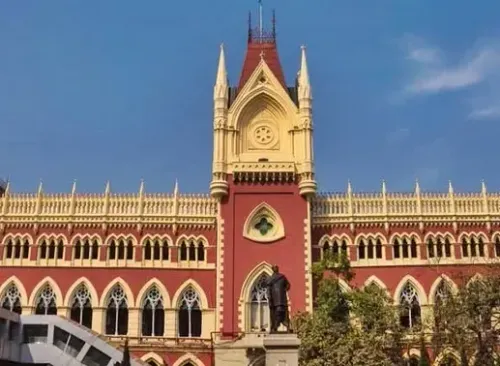
Kolkata, Dec 3 (NationPress) On Wednesday, the division bench of the Calcutta High Court rejected the ruling of a single-judge bench that had annulled the appointment of 32,000 primary teachers in state-operated schools.
However, attorney Tarunjyoti Tiwari, representing the petitioners, stated that he intends to approach the Supreme Court to contest the recent order.
Tiwari, a member of the West Bengal BJP's Legal Cell, is the principal attorney in this matter.
He expressed, “I hold profound trust in the judicial system. The court has listened to all involved parties. We petitioned for a stay; however, the judge opted not to grant one. The judge also mentioned corruption, but the primary concern was the emotional aspect. Corruption did not prevail here. The investigation will proceed. We will escalate this to the Supreme Court.”
Previously, on May 12, 2023, the Calcutta High Court mandated the cancellation of 32,000 primary teacher positions across the state.
This decision was made following petitions from various individuals alleging that several candidates received appointments through recommendations despite their low rankings in recruitment exams.
The state government contested this ruling at the division bench.
During the single bench proceedings, Tiwari scrutinized the entire interview process.
He asserted that there were significant flaws in the interview procedure, which justified the cancellation of the positions by the single bench.
In the meantime, another attorney, Kaustav Bagchi, also a BJP leader, voiced his support for contesting the High Court's ruling at the apex court.
He remarked on social media, “With utmost respect to the judges, I assert that corruption cannot be legitimized for emotional reasons. I firmly believe that this verdict will not endure. If upheld, it would set a bizarre and alarming precedent.”
Point of View
It's important to highlight the ongoing legal complexities surrounding the teacher appointments in West Bengal. This case not only impacts the lives of many educators but also raises questions about the integrity of the recruitment process. The voices of all stakeholders must be considered as we navigate these challenging issues.
NationPress
27 Sept 2026
Frequently Asked Questions
What led to the cancellation of the primary teacher appointments?
The cancellation was based on allegations that some candidates received appointments through corrupt practices despite lower rankings in recruitment exams.
Who is challenging the Calcutta High Court's decision?
Lawyer Tarunjyoti Tiwari, representing the petitioners, has announced plans to challenge the decision in the Supreme Court.
What are the main concerns raised by the petitioners?
The petitioners are concerned about the integrity of the recruitment process and the impact of corruption on the appointments.
What does this case signify for future teacher appointments?
This case highlights the need for transparency and fairness in educational recruitment processes, which could set important precedents.
What potential impact could this have on the education system in West Bengal?
The outcome could influence public trust in educational institutions and the hiring process, affecting future recruitment practices.