Rajeev Chandrasekhar: 'Abuse isn't a strategy, hate won't build India'
Synopsis
Kerala BJP chief Rajeev Chandrasekhar drew a sharp line between democratic dissent and political abuse in posts on X, accusing the Opposition of weaponising youth anger for 'cheap political gain'. His call to 'reject anarchy' — backed by pointed references to protest leadership — signals BJP's intent to reframe the student protest narrative ahead of what could be a prolonged political battle.
Key Takeaways
Kerala BJP President Rajeev Chandrasekhar posted on X on 29 July , warning against a culture of abuse and hatred in political discourse.
He stated: 'Abuse isn't a strategy, and hate doesn't build careers or transform a nation.' Chandrasekhar accused the Opposition of encouraging youth to replace constructive debate with 'abuse and rage for cheap political gain.' He shared a photograph linking CJP spokesperson Saurav Das with former JNU leader Umar Khalid , urging students to 'choose wisely.' His posts came amid heightened political debate over recent student protests across India.
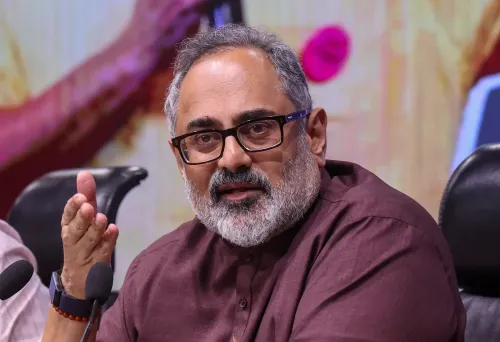
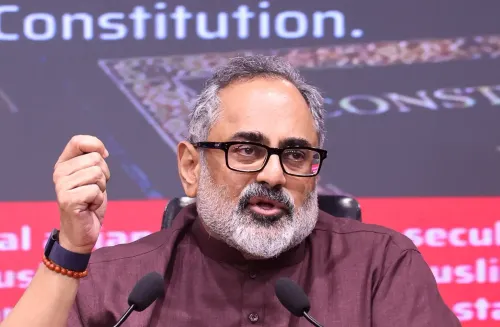
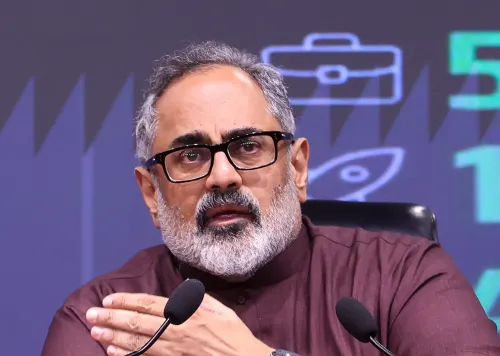
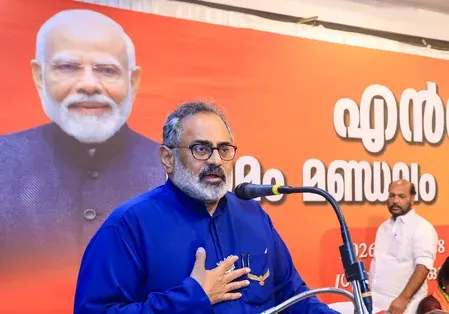
Kerala Bharatiya Janata Party (BJP) President Rajeev Chandrasekhar on Wednesday, 29 July cautioned against what he called a deepening culture of abuse and hatred in Indian political discourse, even as he affirmed that criticism and disagreement are foundational to democracy. His remarks, made via posts on X, came amid heightened political exchanges over recent student protests across the country.
What Chandrasekhar Said
Drawing a firm line between legitimate dissent and abusive conduct, the former Union minister wrote: 'Question the system? Always. Disagree? Absolutely. That's democracy.' He was equally direct about where he sees the line being crossed. 'But abuse isn't a strategy, and hate doesn't build careers or transform a nation,' he stated.
Chandrasekhar argued that the Opposition was actively encouraging young people to substitute constructive debate with anger. 'It is deeply disturbing to see the Opposition encouraging our youth to replace constructive debate with abuse and rage all for cheap political gain,' he wrote. He also shared a video from recent student protests that he said showed individuals using inappropriate language.
His Appeal to Youth
Calling for a more constructive approach, Chandrasekhar said students and young people deserve opportunity and direction, not disorder. 'Our youth deserve support, opportunity and a path to build the nation of their dreams — not one that leads to anarchy, chaos and violence,' he wrote, concluding with the appeal: 'Reject anarchy.'
Targeting Protest Leadership
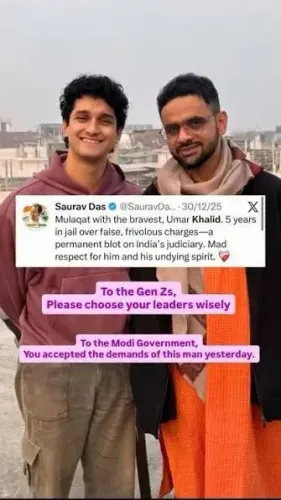
Earlier the same day, Chandrasekhar escalated his criticism by sharing an old social media post by Cockroach Janta Party (CJP) national spokesperson Saurav Das, alongside a photograph showing Das with former Jawaharlal Nehru University (JNU) student leader Umar Khalid. Addressing what he described as students with 'genuine grievances', he urged them to scrutinise those leading the protests. 'To the many genuine students and their parents who protested with their genuine grievances — take a look at this pic and its msg. And choose who you are with wisely,' he wrote.
He went further, warning students against aligning with those he accused of pursuing divisive politics. 'Because if you think your future is going to be shaped by morons whose ideology is Dividing and breaking up India — you need to wake up to reality of these people,' he said.
Broader Context
The remarks arrive against the backdrop of intensifying political debate over the nature and direction of recent student demonstrations. Leaders across the political spectrum have been trading barbs over the limits of political activism and the role of outside actors in student movements. Notably, this is not the first time BJP leaders have drawn a distinction between what they frame as organic student grievances and what they allege is organised political mobilisation by Opposition-linked groups.
How the Opposition responds to Chandrasekhar's charges — and whether the student protest narrative shifts in the coming days — will shape the next phase of this political standoff.
Point of View
BJP is deploying a well-worn playbook: separate the grievance from the grievant, then question the grievant's associations. What is missing from this framing is any engagement with the substance of the protests themselves. The Opposition, meanwhile, has yet to mount a coherent counter-narrative that addresses the 'anarchy' charge directly — leaving the BJP's framing largely uncontested in the short term.
NationPress
28 Oct 2026
Frequently Asked Questions
What did Rajeev Chandrasekhar say about political abuse and hate?
Chandrasekhar stated that while criticism and disagreement are central to democracy, abuse and hate have no place in political strategy. In posts on X on 29 July, he wrote: 'Abuse isn't a strategy, and hate doesn't build careers or transform a nation.'
Why did Chandrasekhar target the Opposition over student protests?
He accused the Opposition of encouraging young people to replace constructive debate with anger for 'cheap political gain.' He also shared a video from recent student protests showing individuals using inappropriate language as evidence of what he described as orchestrated unrest.
Who is Rajeev Chandrasekhar?
Rajeev Chandrasekhar is the President of the BJP's Kerala unit and a former Union Minister of State for Electronics and Information Technology. He is a prominent BJP voice on issues of technology, youth, and national security.
What was the significance of the Saurav Das and Umar Khalid photograph?
Chandrasekhar shared an old social media post by CJP spokesperson Saurav Das alongside a photograph of Das with former JNU student leader Umar Khalid, urging students with 'genuine grievances' to scrutinise the leadership behind the protests and 'choose wisely.'
What is the broader context of Chandrasekhar's remarks?
His statements come amid intensifying political debate over recent student demonstrations in India. Leaders across parties have been debating the limits of political activism and the role of outside actors in student movements, making this part of a wider national conversation about protest, dissent, and democracy.