Change of Guard Ceremony Canceled at Rashtrapati Bhavan on April 18
Synopsis
On April 18, the Change of Guard Ceremony at Rashtrapati Bhavan will be canceled due to preparations for a significant state visit. This iconic residence showcases India's rich heritage and plays host to crucial national events.
Key Takeaways
Change of Guard Ceremony canceled on April 18 due to state visit preparations.
Rashtrapati Bhavan serves as a key location for national events.
Public access to the Main Building is available Tuesday to Sunday.
Amrit Udyan offers a serene escape from city life.
The residence symbolizes India's democratic values and cultural heritage.
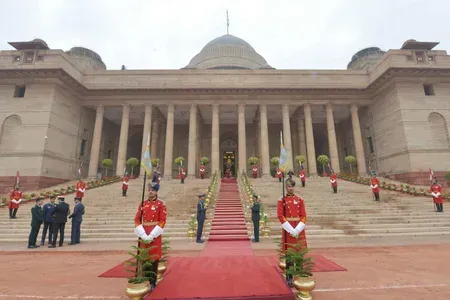
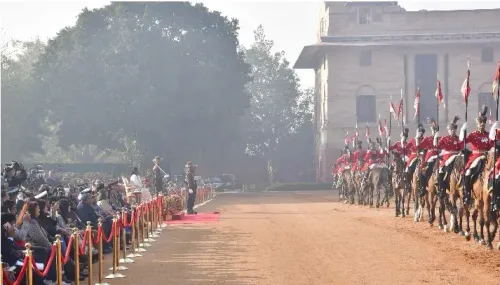
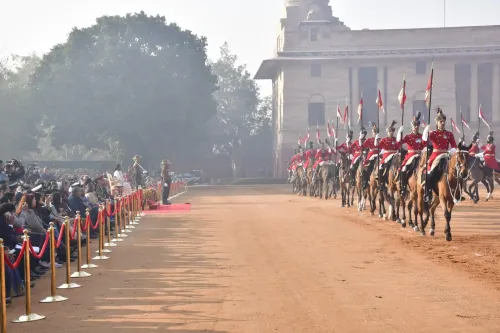
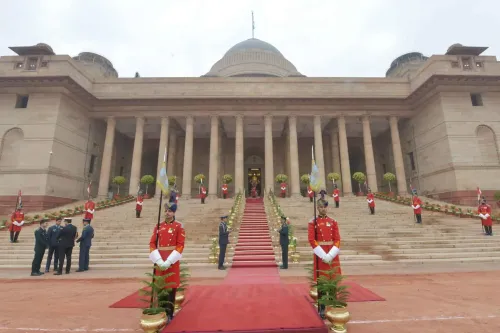
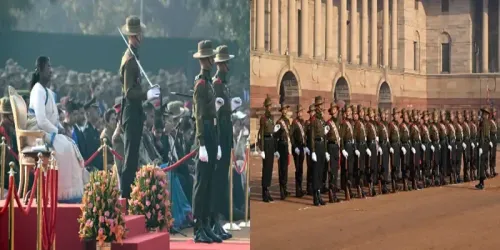
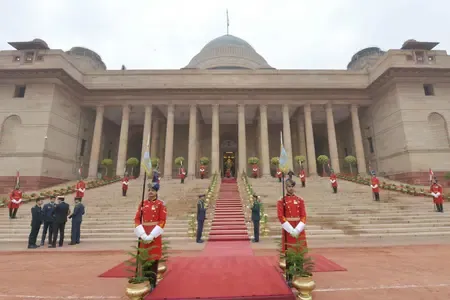
New Delhi, April 16 (NationPress) The Change of Guard Ceremony scheduled for April 18 at the Forecourt of Rashtrapati Bhavan has been canceled due to rehearsals for the ceremonial reception related to the upcoming state visit of the President of the Republic of Korea, as confirmed by an official from the President's Secretariat on Thursday.
Typically, this ceremony occurs every Saturday from 8 a.m. to 9 a.m. at the Rashtrapati Bhavan.
Public access to Rashtrapati Bhavan (Circuit-1) has previously been suspended from January 21 to 29 due to the Republic Day Parade and Beating Retreat Ceremony.
The Main Building of Rashtrapati Bhavan is open for public viewing from Tuesday to Sunday, excluding Gazetted holidays, in seven slots between 9:30 a.m. and 4:30 p.m.
Visitors can also explore the Rashtrapati Bhavan Museum Complex, which is accessible from Tuesday to Sunday, with online booking available for time slots.
The ceremony is not conducted on Saturdays that coincide with Gazetted holidays or if otherwise announced by the Rashtrapati Bhavan.
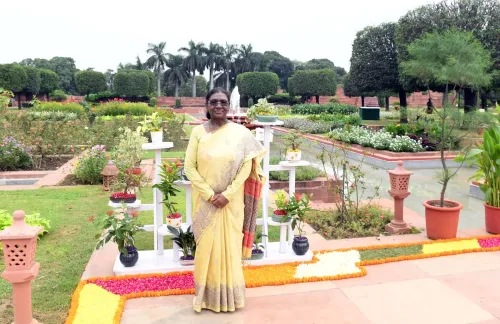
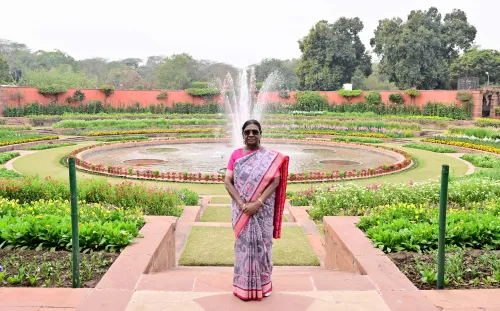
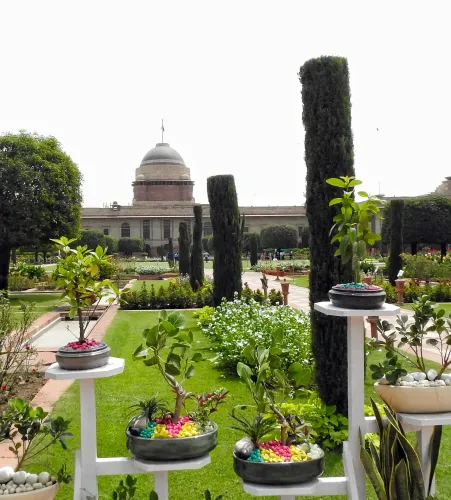
In addition to the Main Building, the expansive 15-acre Amrit Udyan within the estate is a notable tourist destination, typically open to the public during February and March.
The Amrit Udyan offers a peaceful retreat from the hectic city life, showcasing an impressive variety of flowers, trees, and fountains as visitors stroll through this horticultural paradise.
The Rashtrapati Bhavan, serving as the official residence of the President of India, was established in 1911 after the decision to relocate the capital of British India from Kolkata to Delhi.
This iconic H-shaped structure, spanning 5 acres within a vast 330-acre estate, features 340 rooms across four floors and includes nearly 2.5 km of corridors, as stated on the official website.
Construction commenced in 1912 and lasted for 17 years, culminating in its completion in 1929.
Designed by architect Edwin Lutyens, the building boasts distinct architectural elements, including a dome influenced by the Sanchi Stupa, chhatris, and elaborate jali work, which reflect traditional Indian design.
Initially named as the Viceroy's House, the residence of the British Viceroy, it was renamed Government House after India's Independence on August 15, 1947.
It was subsequently rebranded as Rashtrapati Bhavan during the presidency of Dr. Rajendra Prasad, marking its transformation into the home of the President of India.
Today, Rashtrapati Bhavan stands as a representation of India's rich cultural heritage and democratic principles.
Since it became the seat of the Indian Presidency, Rashtrapati Bhavan has hosted many significant national events, including defence investiture ceremonies that honor the nation's heroes and swearing-in ceremonies for the President, Prime Minister, and Cabinet Ministers.
Furthermore, it plays a crucial role in international diplomacy by welcoming global leaders and facilitating the signing of important treaties and agreements.
As noted on the official website, it remains a central hub for celebrating India's Independence Day, Republic Day, and other major national events and festivals.
Point of View
The cancellation of the Change of Guard Ceremony highlights the importance of diplomatic engagements and the meticulous planning that goes into state visits. Rashtrapati Bhavan continues to serve as a vital symbol of India's rich history and cultural significance.
NationPress
24 Sept 2026
Frequently Asked Questions
Why is the Change of Guard Ceremony canceled on April 18?
The ceremony is canceled due to rehearsals for the ceremonial reception related to the state visit of the President of the Republic of Korea.
When is the Change of Guard Ceremony usually held?
Typically, the Change of Guard Ceremony takes place every Saturday from 8 a.m. to 9 a.m.
Is Rashtrapati Bhavan open to the public?
Yes, the Main Building is open from Tuesday to Sunday, with specific time slots for public viewing.
What is Amrit Udyan?
Amrit Udyan is a 15-acre garden within the Rashtrapati Bhavan estate, known for its beautiful flora and tranquility.
How can visitors access Rashtrapati Bhavan Museum Complex?
Visitors can access the museum from Tuesday to Sunday and must book slots online.