Are Cheetahs Becoming a Key Element of India's Forest Ecosystem Again?
Synopsis
The reintroduction of cheetahs in Madhya Pradesh's Kuno National Park marks a pivotal moment in wildlife conservation. With successful breeding and adaptation, cheetahs are reclaiming their role in India's ecosystem. Discover how this program is fostering community involvement while aiming for a sustainable population by 2032.
Key Takeaways
The cheetah reintroduction program is showing positive results with the birth of second-generation cubs.
Community engagement is vital, with over 450 trained 'Cheetah Mitras' supporting conservation efforts.
The project aims for a self-sustaining population of cheetahs by 2032.
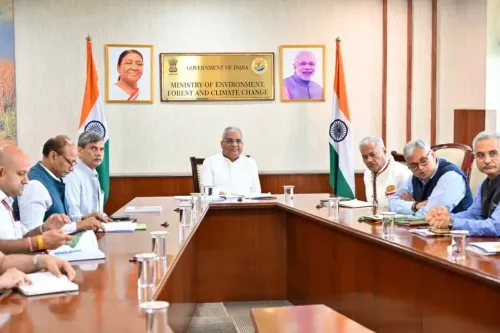
Bhopal, Feb 21 (NationPress) The government of Madhya Pradesh announced on Saturday that the successful reintegration of cheetahs into Kuno National Park signifies a notable advancement in India's wildlife conservation initiatives. This development suggests that the cheetah population is steadily reestablishing its role within the nation's forest ecosystem.
A press statement from the state government highlighted that the survival of breeding females, the emergence of second-generation cubs, and the gradual adaptation to new habitats are indicators of positive results from the cheetah reintroduction program.
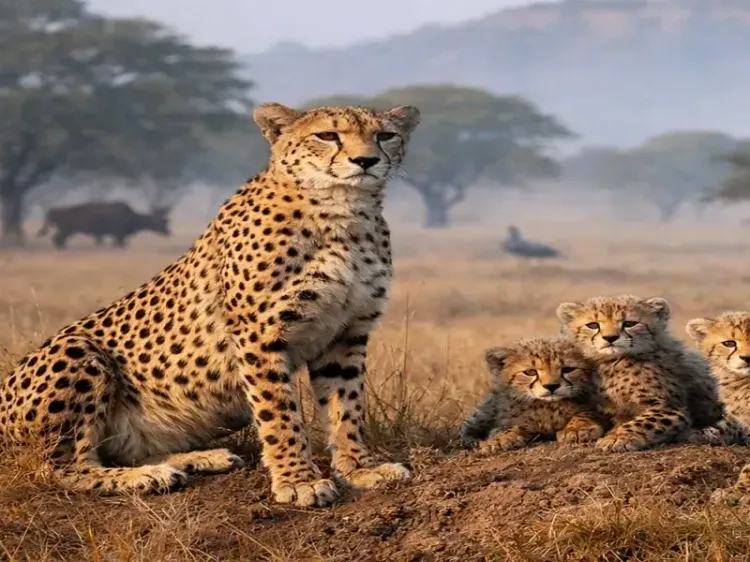
The birth of second-generation cubs within Kuno National Park and Gandhi Sagar Wildlife Sanctuary is a significant milestone in the execution of Project Cheetah.
“Although some cheetahs have succumbed to natural causes and faced adaptation challenges in the initial years, the surviving individuals have shown remarkable adaptation to Indian climate, prey availability, and ecological conditions. This reflects consistent progress towards the project's long-term viability,” the government stated.
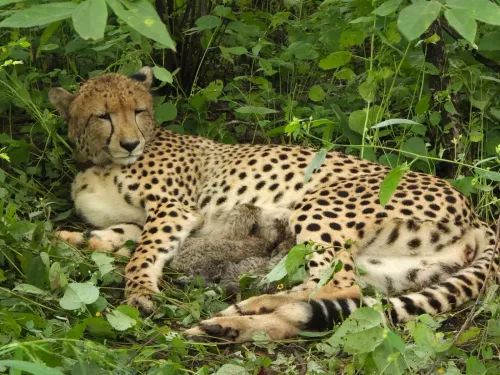
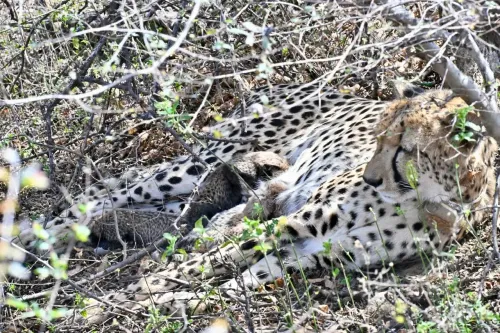
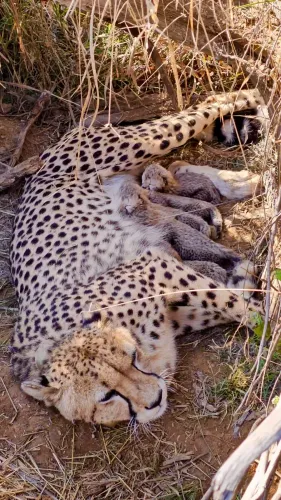
Female cheetah Gamini has recently welcomed her second litter, with three healthy sub-adult cubs from her first litter and three new cubs born.
Meanwhile, another female, Veera, is currently exploring open forest areas with her 13-month-old cub, and Nirva, along with her three 10-month-old cubs, is being closely monitored within a protected enclosure.
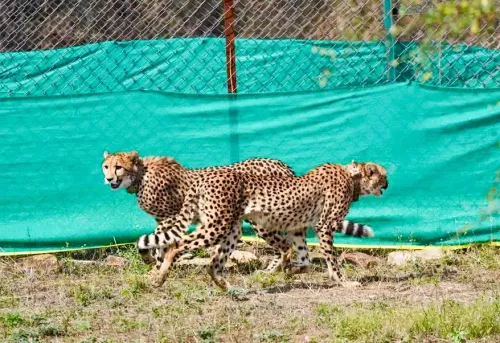
Out of the eight cheetahs relocated from Namibia, three remain in Kuno National Park and are reported to be in good health. The twelve cubs born to these Namibian cheetahs are also thriving.
Between 2023 and 2026, 39 cubs were born in Kuno, of which 27 are still alive, as per government reports.
Among the twelve cheetahs moved from South Africa, eight have adjusted well to the Kuno habitat, while three have been relocated to Gandhi Sagar Wildlife Sanctuary. Ten cubs born to South African cheetahs are currently alive.
Additionally, Mukhi, the first cheetah born in India under the project to reach maturity, has given birth to five cubs, marking a pivotal advancement in the initiative.
The government mentioned that Project Cheetah has also fostered increased public engagement in wildlife conservation.
“Over 450 ‘Cheetah Mitras’ have been trained to assist with conservation efforts, generating employment opportunities that contribute to local livelihoods and community involvement,” the government stated.
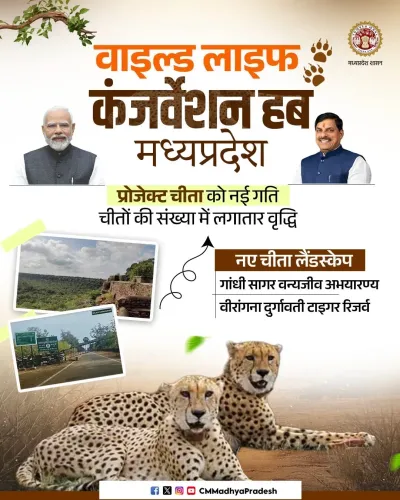
The objective is to establish a self-sustaining population of 60 to 70 cheetahs across nearly 17,000 square kilometers by 2032. A conservation breeding center is planned to be established in the Banni grasslands of Gujarat.
Point of View
It's evident that the reintroduction of cheetahs into India is a monumental step towards restoring biodiversity. The Madhya Pradesh government's commitment to wildlife conservation reflects a national strategy that prioritizes ecological balance and community involvement, reinforcing India's dedication to environmental stewardship.
NationPress
30 Sept 2026
Frequently Asked Questions
What is the significance of the cheetah reintroduction in India?
The cheetah reintroduction signifies a major advancement in wildlife conservation efforts, aiming to restore cheetahs as a vital part of India's forest ecosystem.
How many cheetahs were successfully relocated to Kuno National Park?
Eight cheetahs were translocated from Namibia, with three remaining in Kuno National Park, and twelve cubs born to Namibian-origin cheetahs are alive.
What is Project Cheetah?
Project Cheetah is an initiative aimed at reintroducing cheetahs into India, promoting conservation, and ensuring the survival of the species.
What role do 'Cheetah Mitras' play in this project?
'Cheetah Mitras' are trained individuals who assist in conservation efforts, generating employment and enhancing community participation in wildlife preservation.
What are the future goals for cheetah populations in India?
The goal is to establish a self-sustaining population of 60 to 70 cheetahs across 17,000 square kilometers by 2032.