Mambalam Canal desilting: Chennai corp targets 500 cusecs capacity before NE monsoon
Synopsis
Despite spending ₹59.4 crore under the Smart City programme on the Mambalam Canal, a CAG audit found much of the work incomplete and the contractor unpunished. Now the Greater Chennai Corporation is back with a ₹46.7 lakh desilting push — targeting a jump from 200 to 500 cusecs before the northeast monsoon — with robotic excavators, metro rail coordination, and encroachment notices all in play.
Key Takeaways
The Greater Chennai Corporation has floated tenders for desilting the 5.7-km Mambalam Canal at a cost of ₹46.7 lakh .
The project targets a carrying capacity increase from 200 cusecs to 500 cusecs , benefiting flood-prone areas including T Nagar , Nandanam , and Saidapet .
Select stretches will be deepened by nearly four feet ; the outfall near the YMCA premises into the Adyar River will also be widened.
A CAG audit found that an earlier ₹59.4 crore Smart City canal restoration was largely incomplete and the contractor went unpunished.
Approximately nine encroachments remain along the canal; the Teynampet zone is preparing notices for their removal.
Chennai Metro Rail is expected to assist in clearing the section near the Panagal Park–Nandanam metro corridor construction zone.
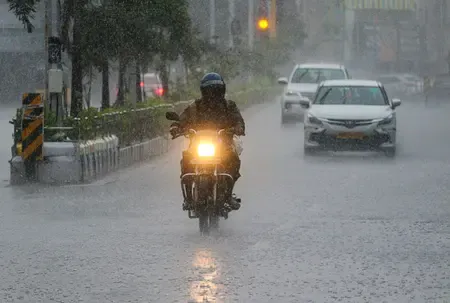
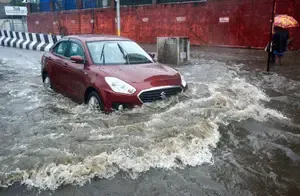
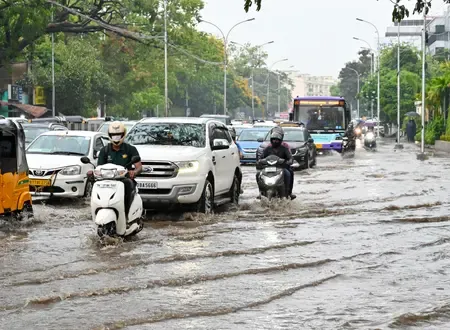
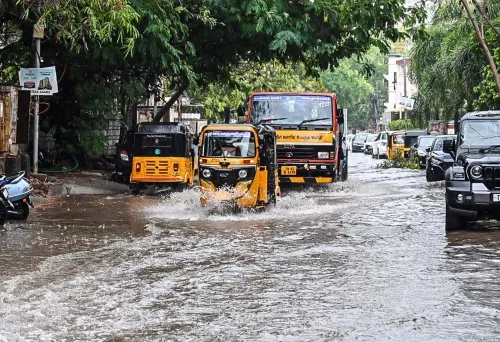
The Greater Chennai Corporation (GCC) has launched preparations for a comprehensive desilting operation along the 5.7-km Mambalam Canal, aiming to significantly boost its flood-carrying capacity ahead of the northeast monsoon. The project, budgeted at ₹46.7 lakh, is designed to protect flood-prone localities including T Nagar, West Mambalam, Nandanam, and Saidapet.
Scope of the Desilting Work
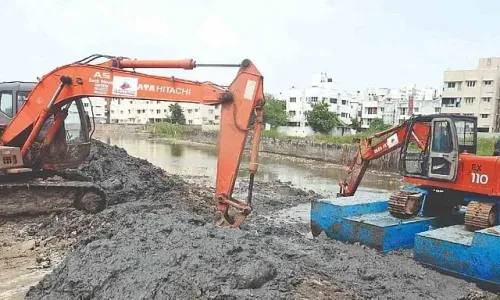
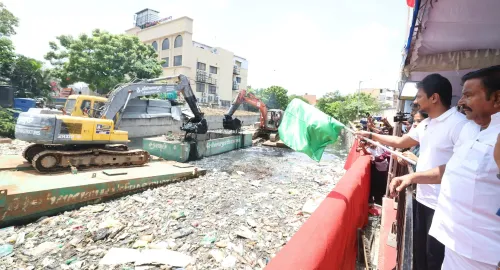
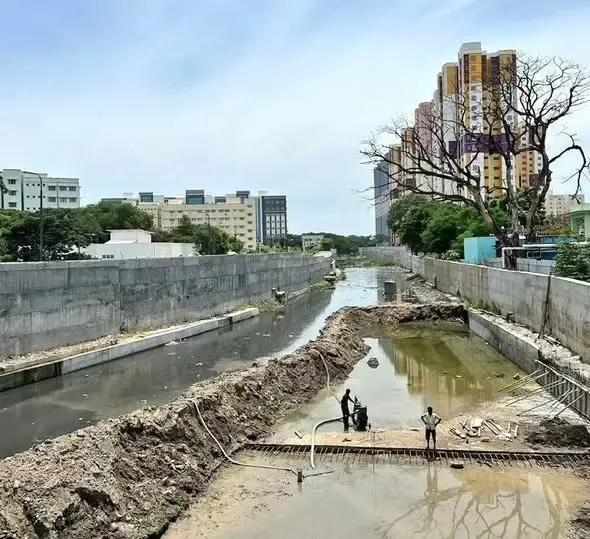
Tenders have been floated and a contractor is expected to be finalised shortly. The operation will involve the removal of accumulated silt and the deepening of select stretches by nearly four feet. Multiple robotic excavators will be deployed, with the first phase beginning near Valluvar Kottam — a roughly 300-metre stretch that is the narrowest section of the canal, measuring only about three metres in width.
Simultaneous desilting and widening work is also planned near Bazullah Road and Venkatnarayana Road. Obstructions inside culverts at these locations will be cleared to ensure uninterrupted rainwater discharge. A critical component of the project is the expansion of the canal's outfall near the YMCA premises, where the waterway meets the Adyar River — a bottleneck that causes water to back up into residential and commercial areas during heavy rainfall.
Metro Rail and Encroachment Challenges
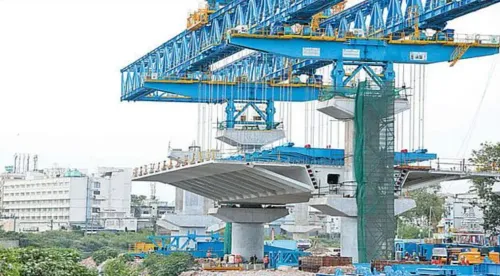
Chennai Metro Rail is expected to assist the civic body in clearing the section of the canal located within the construction zone of the Panagal Park–Nandanam underground metro corridor. This coordination underscores the complexity of working around active urban infrastructure.
Approximately nine encroachments reportedly remain along the canal, including a temple structure near the Theagaraya Road section. The GCC's Teynampet zone is preparing to issue notices to remove structures obstructing the waterway, according to reports.
Capacity Targets and Historical Context
The project aims to raise the canal's carrying capacity from its current 200 cusecs to approximately 500 cusecs. Notably, the waterway's capacity had previously been constrained to just 138 cusecs before earlier encroachment removals along MGR Salai and GN Chetty Road improved water flow.
This comes amid scrutiny from the Comptroller and Auditor General (CAG), whose findings — tabled recently in the Tamil Nadu Assembly — revealed that despite an expenditure of ₹59.4 crore under Chennai's Smart City programme, significant portions of the earlier canal restoration remained incomplete. The audit also found that the civic body had failed to act against the contractor responsible for the unfinished work.
What the Fresh Initiative Addresses
The current desilting drive is therefore positioned as a corrective measure — aimed at addressing deficiencies left over from the Smart City project while reinforcing flood-prevention infrastructure before the monsoon season intensifies. With flooding in T Nagar and Saidapet being a perennial concern, the pressure on the GCC to deliver visible results is considerable. The success of this intervention will depend on the pace of contractor mobilisation, resolution of encroachments, and effective coordination with Chennai Metro Rail.
Point of View
But the backstory is not: the CAG has already flagged that ₹59.4 crore spent on the same canal under the Smart City programme delivered incomplete outcomes, with no action taken against the errant contractor. The GCC's credibility on urban flood management is on the line here. Desilting a canal is achievable; clearing nine encroachments — one of them a temple — and coordinating with an active metro construction site is harder. Chennai floods annually not because solutions are unknown, but because execution consistently falters. This round needs to be different.
NationPress
20 Sept 2026
Frequently Asked Questions
Why is the Mambalam Canal being desilted before the northeast monsoon?
The Greater Chennai Corporation is desilting the 5.7-km Mambalam Canal to boost its water-carrying capacity from 200 to 500 cusecs, reducing flood risk in T Nagar, West Mambalam, Nandanam, and Saidapet ahead of the northeast monsoon season. Accumulated silt and encroachments have long reduced the canal's efficiency.
How much will the Mambalam Canal desilting project cost?
The project is budgeted at ₹46.7 lakh. Tenders have been floated and a contractor is expected to be selected shortly.
What did the CAG report say about the earlier Mambalam Canal restoration?
The Comptroller and Auditor General found that despite ₹59.4 crore spent under Chennai's Smart City programme on the canal's restoration, significant portions of the work were left incomplete. The audit, tabled recently in the Tamil Nadu Assembly, also noted that no action was taken against the contractor responsible for the unfinished work.
Which areas will benefit from the Mambalam Canal desilting?
The primary beneficiaries are flood-vulnerable localities through which the canal passes — T Nagar, West Mambalam, Nandanam, and Saidapet. Widening the outfall near the YMCA premises is expected to prevent water from backing up into residential and commercial areas during heavy rain.
What role will Chennai Metro Rail play in the desilting project?
Chennai Metro Rail is expected to assist the Greater Chennai Corporation in clearing the portion of the Mambalam Canal that falls within the construction zone of the Panagal Park–Nandanam underground metro corridor, a section that requires inter-agency coordination.