Chhattisgarh Waqf Board chief urges scrapping of Madarsa Board, new Minority Education Authority
Synopsis
The chairman of the Chhattisgarh State Waqf Board has formally asked Chief Minister Vishnu Deo Sai to dissolve the Madarsa Board and replace it with a Minority Education Authority — citing Uttarakhand's recent overhaul as the model. The proposal challenges the state to choose between preserving a legacy institution and equipping minority students for a competitive economy.
Key Takeaways
Salim Raj , Chairman of the Chhattisgarh State Waqf Board , wrote to Chief Minister Vishnu Deo Sai on 3 July proposing the abolition of the Chhattisgarh Madarsa Board .
He called for a new Minority Education Authority that integrates science , computer literacy , and vocational training alongside religious instruction.
Raj cited Uttarakhand , which recently dissolved its Madarsa Education Board and set up a Minority Education Authority, as the model to follow.
The existing Madarsa Board receives annual government grants but has been criticised for limiting students to religious education.
The Chhattisgarh government has not yet responded to the proposal.
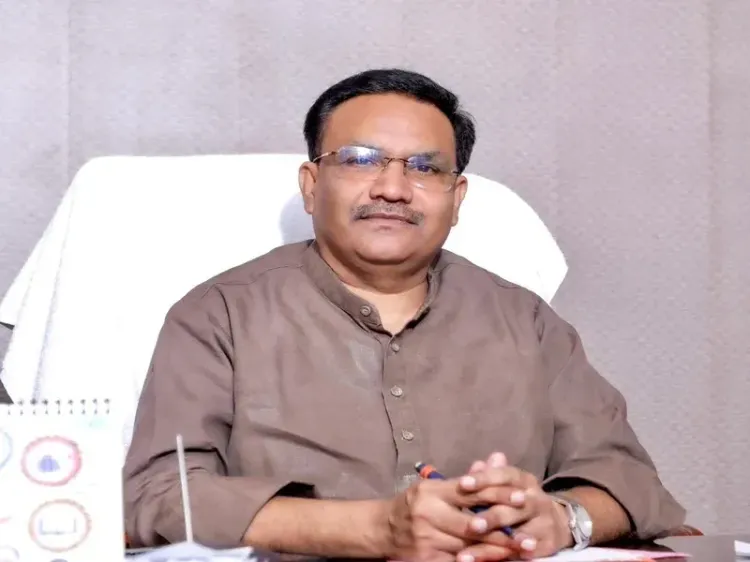
Chhattisgarh State Waqf Board Chairman Salim Raj has formally proposed abolishing the Chhattisgarh Madarsa Board and replacing it with a dedicated Minority Education Authority, arguing that the existing structure has failed to prepare minority students for modern academic and professional life. The proposal was submitted in a letter addressed to Chief Minister Vishnu Deo Sai on Friday, 3 July, and has since triggered a broader debate on reforming minority education in the state.
What the Proposal Says
Raj contended that the Madarsa Board, despite receiving annual government grants, has largely restricted itself to religious instruction — leaving students without exposure to contemporary subjects. He specifically called for integrating science, computer literacy, and vocational training into the curriculum, arguing that such subjects are essential if minority students are to pursue higher education and compete in today's job market.
'The benefits of government support must translate into real opportunities for minority students,' Raj wrote in the letter, underlining his case for structural reform.
The Uttarakhand Model
Raj drew a direct parallel with Uttarakhand, which recently dissolved its own Madarsa Education Board and established a Minority Education Authority in its place. He argued that Chhattisgarh should adopt a similar framework — one that preserves cultural and religious identity while aligning minority education with national development priorities. The Uttarakhand precedent gives the proposal a concrete policy reference point, lending it administrative credibility.
Why It Matters
The Madarsa Board has historically served as the primary institutional vehicle for religious learning among Muslim communities in the state. Critics, however, argue that its limited academic scope has constrained students' access to broader career pathways. Raj's proposal seeks to institutionalise a dual-track system — one that respects tradition without sacrificing employability. This comes amid a wider national conversation about the role of madrasa education, with several states reviewing or restructuring their minority education frameworks in recent years.
State Government Yet to Respond
The Chhattisgarh government has not yet formally responded to the proposal. The ruling Bharatiya Janata Party (BJP) administration under Chief Minister Vishnu Deo Sai has not indicated whether it intends to act on the recommendation or seek further consultation. Education policy observers note that any structural overhaul would require legislative action and stakeholder engagement with minority community representatives. The outcome will likely depend on the political will to navigate both reform imperatives and community sensitivities.
If the Minority Education Authority is established, it could fundamentally reshape how the state delivers education to its minority communities — offering, for the first time, a formally integrated blend of religious and mainstream learning under a single institutional roof.
Point of View
Not an opposition politician or Hindu nationalist group, is the one calling for the Madarsa Board's dissolution. That internal provenance makes it harder to dismiss as communally motivated, and harder for the BJP government to ignore without appearing indifferent to minority welfare. The Uttarakhand parallel is strategically chosen: it gives the Chhattisgarh administration a ready-made blueprint and political cover. The real question is whether the proposed Minority Education Authority would be adequately funded and staffed, or whether it becomes a rebranding exercise that changes the nameplate but not the curriculum. Community buy-in will be the make-or-break variable — reform imposed without it tends to entrench resistance rather than deliver results.
NationPress
2 Oct 2026
Frequently Asked Questions
What has the Chhattisgarh Waqf Board chairman proposed?
State Waqf Board Chairman Salim Raj has proposed abolishing the Chhattisgarh Madarsa Board and replacing it with a Minority Education Authority. He submitted the proposal in a letter to Chief Minister Vishnu Deo Sai on 3 July, arguing that the current system fails to equip minority students for modern academic and professional challenges.
Why does Salim Raj want the Madarsa Board abolished?
Raj argues that the Madarsa Board, despite receiving annual government grants, largely confines itself to religious instruction and leaves students unprepared for higher education and employment. He wants the new authority to integrate science, computer literacy, and vocational training alongside religious learning.
Which state's model is Chhattisgarh being asked to follow?
Raj has pointed to Uttarakhand, which recently dissolved its Madarsa Education Board and established a Minority Education Authority in its place. He argues Chhattisgarh should adopt a similar framework to modernise minority education while preserving cultural identity.
Has the Chhattisgarh government responded to the proposal?
As of the time of reporting, the Chhattisgarh government under Chief Minister Vishnu Deo Sai has not formally responded to the proposal. Any structural overhaul would require legislative action and broader stakeholder consultation.
How would a Minority Education Authority differ from the current Madarsa Board?
Unlike the Madarsa Board, which critics say focuses predominantly on religious instruction, the proposed Minority Education Authority would offer an integrated curriculum combining religious education with mainstream subjects such as science, computer literacy, and vocational training — aimed at improving employability for minority students.