Is China Investigating a Top General Over Leak Allegations?
Synopsis
China is investigating Gen. Zhang Youxia, a significant military leader, over serious allegations of corruption and potential leaks of nuclear secrets to the U.S. This unprecedented move has sparked intense scrutiny on China's military and its implications for regional security, especially for India amid rising tensions.
Key Takeaways
Zhang Youxia is under investigation for corruption and leaking sensitive information.
The probe highlights ongoing corruption issues within China's military.
This situation could significantly affect regional security, particularly for India.
Chinese authorities have not confirmed all allegations, especially concerning nuclear secrets.
More than 50 military officers have faced scrutiny in a broader anti-corruption campaign.
Washington, Jan 26 (NationPress) China has initiated an investigation into one of its most influential military figures, raising intense scrutiny both domestically and internationally as claims of corruption and the possible leakage of sensitive nuclear weapons information to the United States emerge, according to media sources.
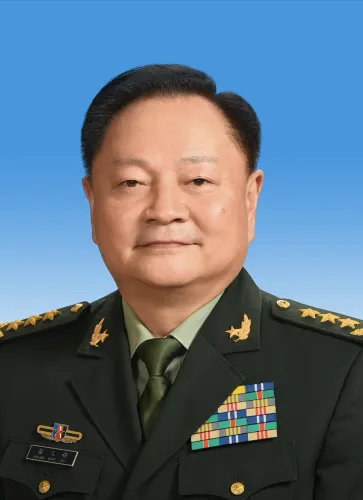
The inquiry focuses on Gen. Zhang Youxia, the vice chairman of China’s Central Military Commission and the highest-ranking officer in the People’s Liberation Army (PLA). The Ministry of National Defence of China disclosed that the investigation is due to “serious violations of discipline and law,” although specific details were not provided.
The allegations were primarily reported by The Wall Street Journal, citing individuals familiar with a confidential, high-level internal briefing conducted for senior military officials in China. The report indicates that Zhang is accused of disclosing “core technical data” pertaining to China’s nuclear arsenal to the United States and accepting substantial bribes in return for promotions.
Prior to the defense ministry's public announcement of the investigation, the internal briefing reportedly detailed various accusations, including the formation of political factions, abuse of power within the Central Military Commission, and involvement in corrupt practices related to military procurement, as claimed by the news report.
Chinese officials have not officially acknowledged any allegations connected to nuclear secrets. A spokesperson for the Chinese Embassy in Washington stated that the probe against Zhang is part of the Communist Party’s “comprehensive, zero-tolerance strategy” for addressing corruption.
At 75 years old, Zhang has been regarded as a loyal supporter of President Xi Jinping and a pivotal figure in the senior command of the PLA. His unexpected fall from grace represents one of the most significant actions taken against a high-ranking general in recent years.
In addition to the Journal's report, dramatic rumors circulated on social media suggesting a potential military coup against Xi. Posts and various media reports claimed that Zhang and another senior general had been detained, that clashes involved presidential security forces, and that thousands of military personnel had been placed under control.
However, these claims remain unverified by Chinese authorities or Western intelligence agencies. Neil Thomas, a Fellow on Chinese Politics at the Center for China Analysis, Asia Society Policy Institute, expressed skepticism regarding the most sensational allegations.
Thomas raised questions about how Zhang could have gained access to and transferred nuclear weapons secrets, considering the stringent controls surrounding China’s nuclear establishment and the rigorous monitoring of senior PLA generals.
He noted that corruption-related charges, such as accepting bribes associated with promotions, seemed more aligned with prior PLA incidents. He also emphasized that internal briefings in China do not always provide a complete or verified account and can be influenced by political factors.
The Wall Street Journal mentioned that the investigation of Zhang is part of a broader effort to combat corruption within China’s military procurement system. This is connected to the earlier dismissal of former Defense Minister Li Shangfu, who was expelled from the Communist Party. Officers elevated under Zhang are reportedly also under scrutiny, and authorities have confiscated mobile devices from individuals linked to the case.
This probe arises amid Xi Jinping’s extensive campaign to reform the armed forces. Since 2023, over 50 senior military officials and defense industry leaders have reportedly been removed or investigated, highlighting the scale of this initiative and its effects on military command structures.
For India, this development is significant, particularly considering China’s expanding military presence and assertiveness in the region. New Delhi has a direct security interest in the stability of the PLA, as China continues to pose India’s primary strategic challenge along the Line of Actual Control and throughout the wider Indo-Pacific. Any disruption within China’s military leadership, readiness, or decision-making can have ramifications for regional security, including in South Asia and the Indian Ocean, where Beijing has gradually increased its influence.
Point of View
It is crucial to recognize the seriousness of the allegations against Gen. Zhang Youxia and the potential ramifications for China's military structure. This investigation spotlights ongoing issues of corruption within the military, which could reshape the balance of power in the region. While we must remain cautious about the accuracy of sensational claims, the implications for regional security, particularly for India, are significant.
NationPress
30 Sept 2026
Frequently Asked Questions
What are the allegations against Gen. Zhang Youxia?
Gen. Zhang Youxia is facing allegations of corruption, including accepting bribes and leaking sensitive nuclear weapons data to the United States.
What is the significance of this investigation?
This investigation is significant as it reflects ongoing corruption issues within the Chinese military and could impact regional security, especially for neighboring countries like India.
How has the Chinese government responded to these allegations?
The Chinese government has launched an investigation citing 'serious violations of discipline and law,' but has not confirmed any specific allegations related to nuclear secrets.
What implications does this have for China's military leadership?
This investigation could lead to a reshaping of military leadership in China, affecting command structures and power dynamics.
What is the reaction from international observers?
International observers have expressed skepticism about the most sensational claims while recognizing the potential impact of this investigation on China's military and regional stability.