China's 'Chinese Buddhism' drive targets Tibetan identity, faith: Report
Synopsis
Beijing's drive to rename Tibetan Buddhism as 'Chinese Buddhism' is not a theological rebranding — it is a sovereignty play. According to a report by the Dalai Lama's nephew, the CCP is systematically dismantling independent religious authority across Tibet, Xinjiang, and beyond, turning monasteries and mosques alike into instruments of Party loyalty.
Key Takeaways
The CCP is recasting Tibetan Buddhism as 'Chinese Buddhism' to align it with Party doctrine and national identity, according to a report in The Tibet Express .
Khedroob Thondup , nephew of the Dalai Lama , argues the renaming is a calculated move to delegitimise Tibetan identity and sever ties with the Dalai Lama.
All religious communities in China are reportedly required to operate through state-controlled associations; independent religious authority is not permitted.
Clergy face political indoctrination, sermons are regulated, and unapproved religious gatherings are allegedly criminalised.
The suppression reportedly extends to Uyghur Muslims — with mosques demolished, Qur'anic study restricted, and religious leaders silenced.
The Chinese Communist Party (CCP) is systematically recasting Tibetan Buddhism as 'Chinese Buddhism' in a calculated bid to subordinate religious identity to Party authority, according to a report published in The Tibet Express. The campaign, analysts say, is less a theological exercise and more a sovereignty project — one aimed at ensuring no religious institution commands loyalty that competes with the state.
The Renaming Strategy
Khedroob Thondup, nephew of the Dalai Lama, wrote in The Tibet Express that the relabelling of Tibetan Buddhism reflects a broader ambition to make belief itself a state-controlled resource. 'This is not about theology — it is about sovereignty. Beijing's project is to ensure that no pulpit, monastery, or altar speaks with authority beyond the Party. The renaming of Tibetan Buddhism is a symptom of a deeper ambition: to make belief itself a state-controlled resource,' he wrote.
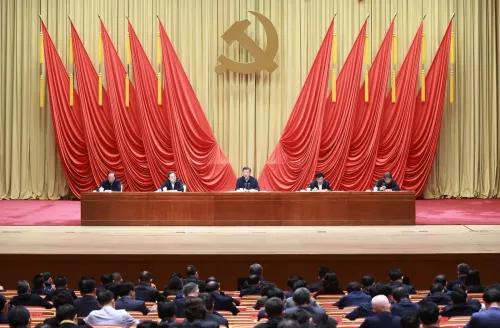
According to Thondup, the CCP has long treated religion not as a 'matter of conscience' but as a potential challenge to state supremacy. The insistence that all faiths adapt to 'Chinese characteristics' — meaning alignment with Party doctrine and national identity — amounts, he argued, to political subordination rather than cultural integration.
How State Control Operates
Thondup detailed a layered system of religious oversight. All religious communities in China are required to operate through state-controlled associations that govern leaders, teachings, and practices. Independent religious authority is not permitted, while monasteries, churches, and mosques remain under surveillance.
Clergy are subjected to political indoctrination, sermons are regulated, and unapproved religious gatherings outside state-sanctioned structures are reportedly criminalised. The report noted that crosses have been removed from churches, pastors detained, and scripture rewritten to reflect Party values.
Impact on Tibetan Identity
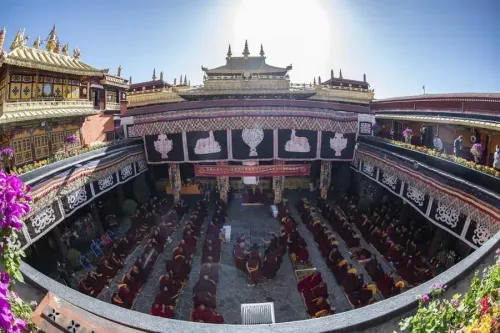
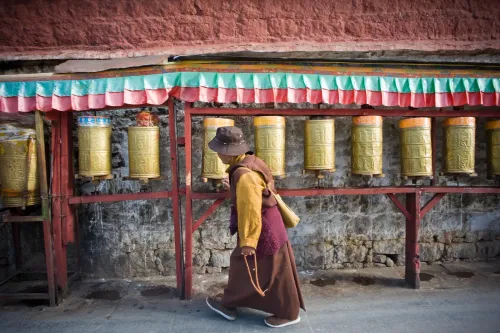
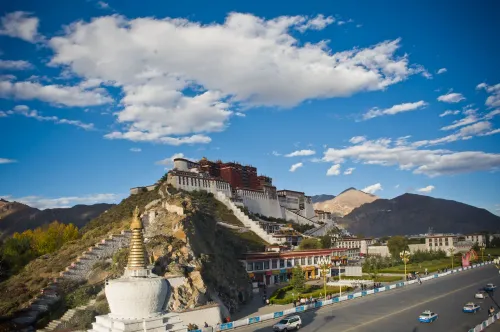
'Tibetan Buddhism represents more than a spiritual tradition; it embodies a cultural identity and historical memory that resists assimilation. By labelling it 'Chinese Buddhism', Beijing attempts to erase its distinct lineage and tether it to the state's narrative of national unity. This linguistic shift is not benign — it is a calculated move to delegitimise Tibetan identity and sever ties with the Dalai Lama, who remains a powerful symbol of spiritual independence,' Thondup wrote.
The report characterises the renaming as part of a wider effort to neutralise the Dalai Lama's moral authority, particularly among younger Tibetans inside China.
Wider Pattern of Religious Persecution
Thondup also alleged that the suppression extends well beyond Tibetan Buddhism. Mosques have reportedly been demolished, Uyghur religious leaders silenced, and Qur'anic study restricted. Local rituals, he said, have been rebranded as 'cultural heritage' rather than recognised as living faith — a move he argues strips them of spiritual legitimacy.
This pattern, the report contends, reflects a unified CCP strategy to bring all religious traditions under ideological control, with Tibetan Buddhism serving as one of its most visible fronts. How Beijing manages growing international scrutiny of these policies is likely to shape diplomatic pressure in the months ahead.
Point of View
And you begin to own its narrative. What the report underscores is that Beijing's religious policy is not incidental suppression but a coherent, multi-faith project of ideological capture. The Dalai Lama's continued global stature makes Tibetan Buddhism a particularly high-stakes front. Mainstream coverage tends to treat each crackdown — on Tibetans, Uyghurs, Christians — as separate stories; they are chapters of the same policy document. The question international observers have not yet answered is what, beyond statements of concern, constitutes a credible response.
NationPress
22 Sept 2026
Frequently Asked Questions
What is China's 'Chinese Buddhism' campaign?
It is a CCP policy to relabel Tibetan Buddhism as 'Chinese Buddhism,' requiring it to align with Party doctrine and national identity rather than its own distinct traditions. According to a report in The Tibet Express, the campaign is designed to subordinate religious authority to the state and sever institutional ties with the Dalai Lama.
Who is Khedroob Thondup and why does his analysis matter?
Khedroob Thondup is the nephew of the Dalai Lama and a commentator on Tibetan affairs. His analysis, published in The Tibet Express, provides a close-observer perspective on Beijing's religious policies and their impact on Tibetan cultural identity.
How does the CCP control religious practice in China?
All religious communities are required to operate through state-controlled associations that oversee leaders, teachings, and practices. Clergy reportedly undergo political indoctrination, sermons are regulated, and gatherings outside state-sanctioned structures are allegedly criminalised.
Is the suppression limited to Tibetan Buddhism?
No. The report alleges a wider pattern: crosses removed from churches, pastors detained, Uyghur mosques demolished, Qur'anic study restricted, and local rituals rebranded as 'cultural heritage' rather than living faith. Thondup argues these are all expressions of a single CCP strategy to bring every religious tradition under ideological control.
Why does Beijing view Tibetan Buddhism as a particular threat?
Tibetan Buddhism carries a distinct cultural identity, historical memory, and a globally recognised spiritual leader in the Dalai Lama — all of which, according to the report, the CCP views as competing sources of moral authority that challenge the Party's claim to be the sole legitimate voice in China.