Is China's Inflation Rising in December, Nearly Reaching a 3-Year Peak?
Synopsis
China's inflation has surged to a near 3-year peak in December 2025, driven by increased consumer demand during the New Year. This rise signals a potential shift in the economic landscape, with the government’s policies showing promising results. What does this mean for the future of China's economy?
Key Takeaways
The CPI in December 2025 rose by 0.8% year on year.
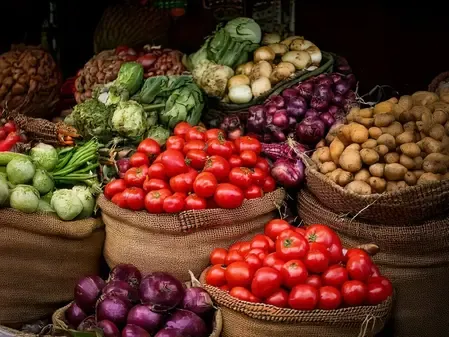
Food prices were a significant contributor, increasing by 1.1%.
The core CPI rose by 1.2% year on year.
The Chinese government aims for a 2% CPI increase in 2025.
Urban CPI growth outpaced rural CPI growth in December.
Beijing, Jan 10 (NationPress) In December 2025, China's inflation experienced a rise, marking its highest point in 34 months. The decline in producer prices has also lessened as the government's initiatives to stimulate domestic demand are yielding positive effects on the economy.
Thanks to the festive spending during the New Year, China's consumer price index (CPI), a key indicator of inflation, increased by 0.8 percent year on year last month, according to data released by the National Bureau of Statistics (NBS).
"The CPI uptick in December was 0.1 percentage points higher than the previous month, reaching its peak since March 2023," stated NBS statistician Dong Lijuan, noting that food prices were the primary contributor to this increase, with food costs climbing by 1.1 percent year on year in December.
The core CPI, excluding food and energy prices, showed a 1.2 percent rise compared to the previous year last month, as reported by Xinhua news agency.
In urban areas, the CPI rose by 0.9 percent, surpassing the 0.6 percent increase observed in rural regions. Non-food prices also exhibited more modest growth, increasing by 0.8 percent year on year.
Throughout 2025, the CPI remained stable when compared to last year, according to NBS data. One of the Chinese government's primary goals for development in 2025 is to achieve a CPI increase of around 2 percent, aiming to balance supply and demand through various policies and reforms while maintaining prices within an acceptable range.
On a monthly basis, the CPI rose by 0.2 percent in December, reversing a 0.1 percent drop from November. This shift is largely attributed to increasing prices of industrial consumer goods, excluding energy, which rose by 0.6 percent during the month.
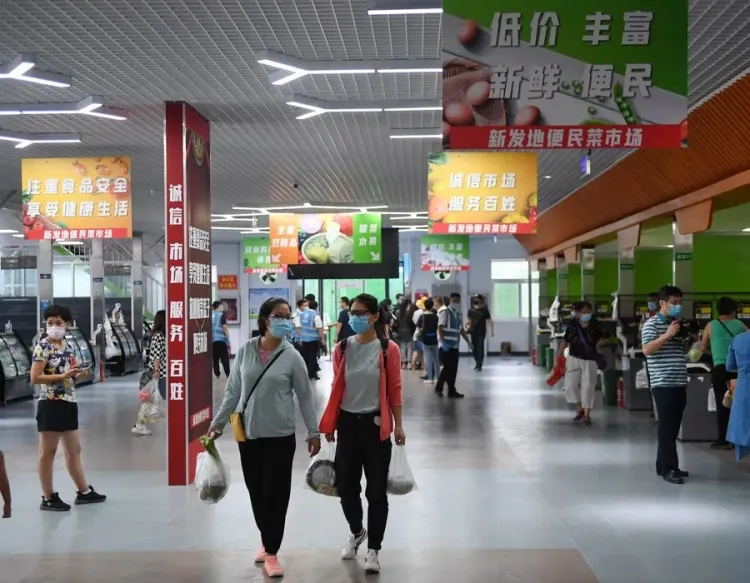
"As the impact of consumption-boosting policies continues to unfold, alongside the New Year celebrations, demand for shopping and entertainment surged, resulting in price increases for communication devices, maternal and infant products, durable recreational goods, and household appliances, with month-on-month growth rates between 1.4 percent and 3 percent," Dong remarked.
Point of View
It is essential to view this inflation rise within the context of ongoing economic reforms in China. This increase, while concerning, reflects the government's commitment to sustaining domestic demand and balancing economic growth. The situation warrants close monitoring as it could indicate shifting dynamics in consumer behavior and price stability.
NationPress
3 Oct 2026
Frequently Asked Questions
What was China's inflation rate in December 2025?
In December 2025, China's inflation rate rose by 0.8% year on year.
What contributed to the rise in inflation?
The rise in inflation was primarily driven by increased food prices and consumer spending during the New Year.
How does the core CPI differ from the general CPI?
The core CPI excludes food and energy prices, providing a clearer picture of underlying inflation trends.
What are the government's goals regarding inflation for 2025?
The Chinese government aims for a CPI increase of around 2% in 2025 to balance supply and demand.
How did urban and rural inflation rates compare in December?
In December, the CPI in urban regions rose by 0.9%, while rural regions saw a milder increase of 0.6%.