Is Political Infiltration the New Face of Diplomacy for the CCP?
Synopsis
China's strategic maneuvering toward India isn't just about politics; it's a sophisticated blend of tactics designed to limit New Delhi's responses. Discover how Beijing's approach intertwines territorial encroachments and proxy support to reshape regional dynamics.
Key Takeaways
China's strategy is multi-faceted , involving political and territorial tactics.
Salami slicing is a significant part of China's territorial approach.
Proxy support for Pakistan is intended to divert India's attention.
Military preparedness and vigilance are essential for India.
International partnerships can enhance India's response capability.
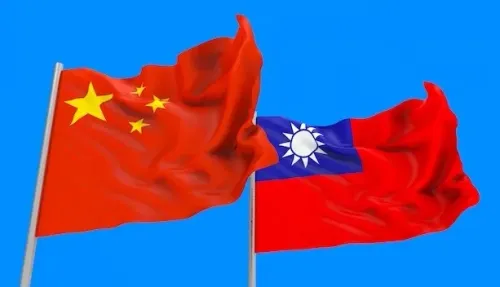
Taipei, Jan 17 (NationPress) The strategy employed by China towards India is a well-coordinated, multi-faceted approach that amalgamates political engagement, territorial incrementalism, and proxy support to limit New Delhi's options, a report has revealed.
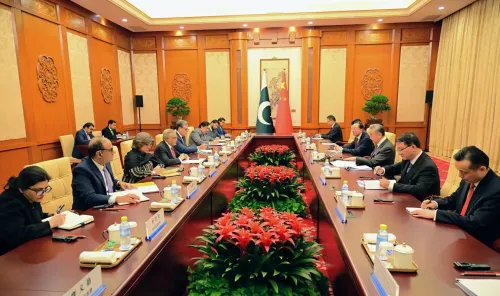
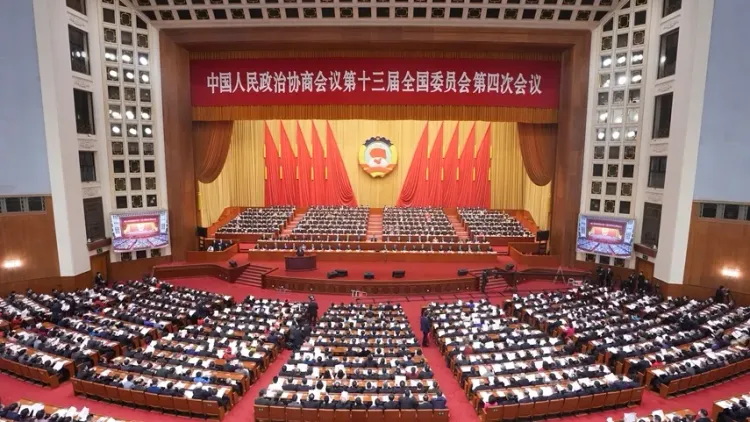
A recent piece in the 'European Times' examined meetings conducted by a delegation from the Communist Party of China (CCP) during its visit to New Delhi earlier this week, emphasizing that the CCP’s united front strategy aims to foster foreign interlocutors who normalize China's ascent and reduce criticism of its authoritarian regime.
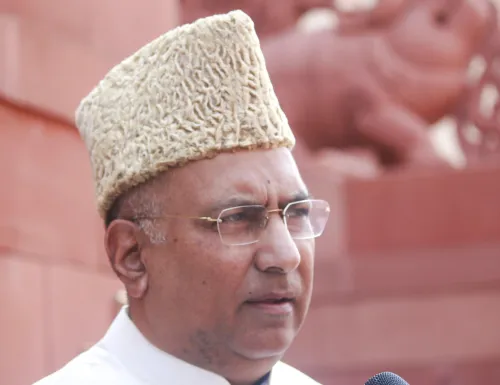
“Simultaneously, it involves salami slicing territory along the Line of Actual Control (LAC) and bolstering Pakistan’s strategic stance against India. Collectively, these actions constitute a coherent strategy: to weaken India internally, undermine its sovereignty externally, and isolate it regionally,” articulated Khedroob Thondup, son of Gyalo Thondup, the elder brother of the Dalai Lama.
He suggested that an appropriate response would necessitate a similarly layered approach, incorporating military readiness, political awareness, and international alliances to restore deterrence and safeguard regional stability.
Sun Haiyan, Vice Minister of the International Department of the CCP, led the Chinese delegation during the visit from January 12-14.
Highlighting the delegation's “strategic intent”, Thondup remarked that the aim was to “soften resistance, exploit India's diversity, and establish channels that moderate India's reactions to Chinese assertiveness. This approach mirrors Beijing’s outreach strategies in other regions, from cultivating business elites in Australia to engaging political factions in Nepal.”
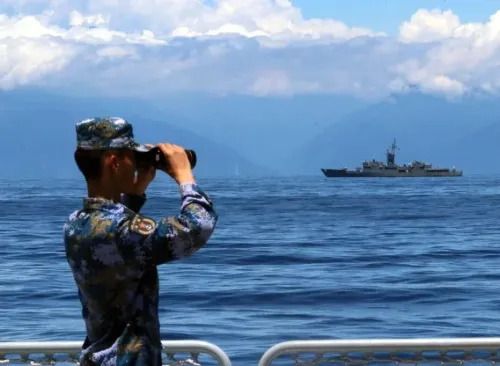
The report characterized “salami slicing” – gradual territorial encroachment at the border – as the second pillar of Beijing’s strategy, with tangible manifestations along the LAC through road construction, patrols, and minor territorial advances that cumulatively modify the realities on the ground. These tactics are crafted to evade inciting full-scale conflict while systematically expanding Chinese control and complicating India’s capacity to respond without escalating to war.
Thondup draws a parallel to China’s maritime strategies, where the creation of artificial islands and gradual militarization altered realities without formal treaty amendments, emphasizing the strategic rationale of incrementalism.
The third dimension, he noted, is China’s continuous support for Pakistan, which functions as a “proxy dimension” that keeps India strategically preoccupied on multiple fronts. Through military support, economic investment, and diplomatic endorsement, Beijing guarantees that India must divert attention and resources to its western front, thereby diluting its ability to concentrate solely on the Chinese threat. This triangular pressure – internal influence, border coercion, and proxy support – accumulates to confine India regionally.
“The erosion of sovereignty and regional encirclement necessitate multidimensional resilience – military vigilance, political awareness, and counter-narrative strategies. For the global community: Beijing’s tactics underscore the limitations of existing legal structures. The lack of binding dispute resolution mechanisms in the Himalayas reflects the vacuum exploited in maritime Asia,” stated Thondup.
jb/as
Point of View
It is essential to recognize the complexities of geopolitical strategies at play. The CCP's multifaceted approach towards India poses significant challenges that necessitate vigilant responses from New Delhi. A proactive, cohesive strategy is crucial for preserving India's sovereignty and regional stability.
NationPress
30 Sept 2026
Frequently Asked Questions
What is China's strategy towards India?
China employs a multi-pronged strategy that combines political engagement, territorial incrementalism, and proxy support to limit India's options.
What does 'salami slicing' refer to?
'Salami slicing' refers to China's gradual territorial encroachment along the Line of Actual Control, altering facts on the ground without triggering full-scale conflict.
Who led the Chinese delegation during their recent visit to India?
Sun Haiyan, Vice Minister of the International Department of the Communist Party of China, led the delegation.
What is the recommended response to China's strategy?
An effective response should include military preparedness, political vigilance, and building international partnerships.
How does China's support for Pakistan affect India?
China's support for Pakistan keeps India strategically distracted on multiple fronts, diluting its focus on the China challenge.