What Reforms Does CII Propose for Budget 2026-27?
Synopsis
In light of the upcoming Union Budget 2026-27, the Confederation of Indian Industry (CII) has put forth significant proposals aimed at reforming India's tax landscape, emphasizing the need for expedited dispute resolution, a simplified TDS framework, and fully digitized customs systems. These changes could reshape the future of tax compliance in India.
Key Takeaways
Comprehensive tax reforms are essential for the Union Budget 2026-27.
The need for expedited dispute resolution to enhance compliance.
Proposals to simplify the TDS regime to reduce complexity.
Advocacy for digitized customs systems to streamline processes.
Focus on a dispute-preventive tax framework .
New Delhi, Oct 31 (NationPress) The Confederation of Indian Industry (CII) on Friday urged for extensive tax reforms in the Union Budget 2026-27, focusing on the acceleration of dispute resolution, the simplification of the TDS regime, and the implementation of digitized customs systems.
The leading industry organization stressed the importance of transitioning to a compliance framework that is founded on trust, simplicity, and technology, ensuring accountability for bureaucratic delays.
It suggested that high-stakes cases exceeding Rs 100 crore should be prioritized for resolution within a year through multiple virtual hearings and rigorous monitoring by the CBDT.
It also advocated for the suspension of parallel penalty proceedings until the primary appeal is resolved, and for draft orders to be shared for factual verification before they are finalized, as per the statement from the CII.
CII proposed reinstating the authority for advance rulings as an independent, quasi-judicial entity led by retired high court judges to deliver binding decisions within six months.
The organization called for enhancements to return-processing software through refined protocols, ensuring that only obvious errors are adjusted automatically and that taxpayers are allowed to request virtual hearings as needed.
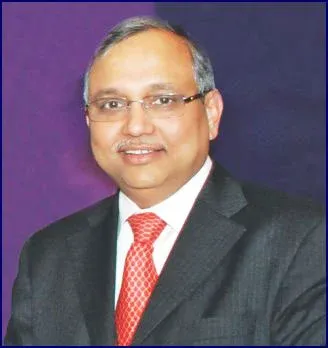
CII Director-General Chandrajit Banerjee commented that India's tax system must evolve from being dispute-driven to dispute-preventive.
"The tax framework should guarantee that taxation not only generates revenue efficiently but also serves as a driver for investment, innovation, and competitiveness. The Budget can serve as a turning point for a genuinely modern, transparent, and globally recognized tax system," Banerjee stated.
Additionally, CII suggested a simplification of the TDS/TCS structure to two or three broad categories, exempting transactions between GST-registered entities.
"India's TDS and TCS structures, with more than thirty-five categories and rates ranging from 0.1% to 30%, are excessively complicated, leading to reconciliation issues and liquidity challenges," the industry body remarked.
Furthermore, it emphasized the necessity to upgrade customs systems and indirect taxes through the complete digitalization of clearance systems using API-based data exchange.
Point of View
The CII's proposals present a thoughtful approach to modernizing India's tax system. By advocating for reforms that prioritize efficiency and transparency, CII aligns with a national interest in fostering a more conducive environment for investment and growth.
NationPress
6 Oct 2026
Frequently Asked Questions
What reforms has CII recommended for the Union Budget 2026-27?
CII has proposed comprehensive tax reforms including expedited dispute resolution, simplification of the TDS regime, and digitized customs systems to enhance compliance and efficiency.
Why is CII calling for a reduction in the TDS framework?
CII believes that the current TDS/TCS framework is overly complex, with over thirty-five categories leading to reconciliation challenges and liquidity issues. They propose simplifying it to two or three broad categories.
How does CII suggest disputes should be handled?
CII recommends that high-demand cases exceeding Rs 100 crore be fast-tracked for resolution within a year through virtual hearings, with parallel penalty proceedings suspended until the primary appeal is resolved.