What Are the Customs Reforms Unveiled in Budget 2026-27?
Synopsis
In a significant move for the business sector, Finance Minister Nirmala Sitharaman has announced the rollout of a Customs Integrated System as part of the Budget 2026-27. This platform aims to streamline customs processes and enhance efficiency in cargo clearance, benefiting various stakeholders, including Indian fishermen and small businesses.
Key Takeaways
Customs Integrated System (CIS) to be rolled out in two years.
Expansion of non-intrusive scanning at major ports.
Seamless cargo clearance through a digital window .
Support measures for Indian fishermen and small businesses.
Removal of value cap on courier exports.
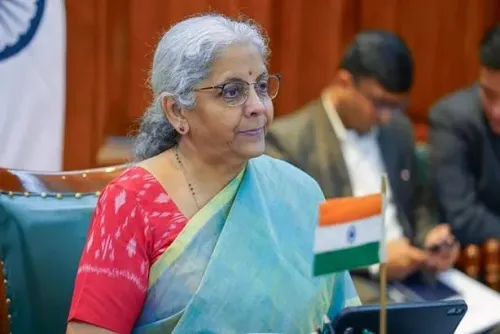
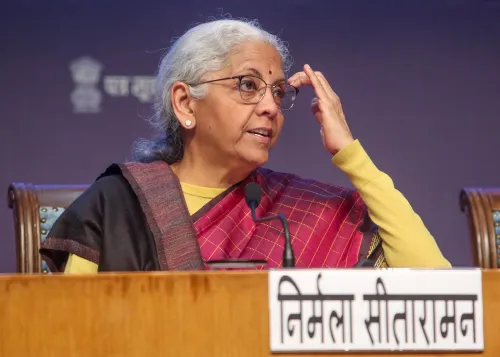
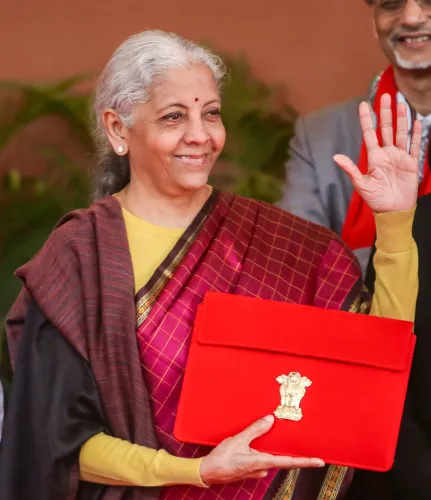
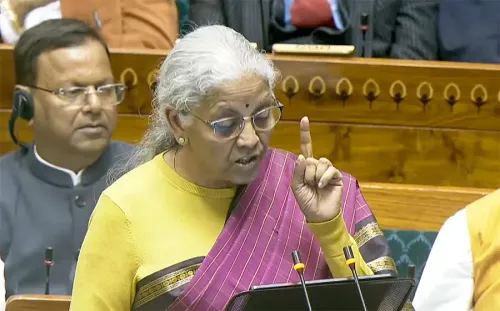
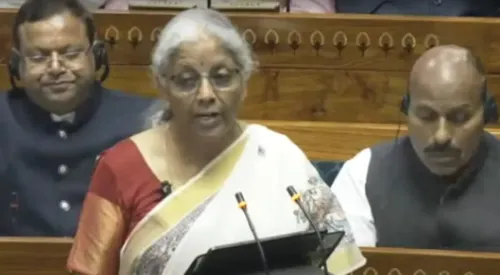
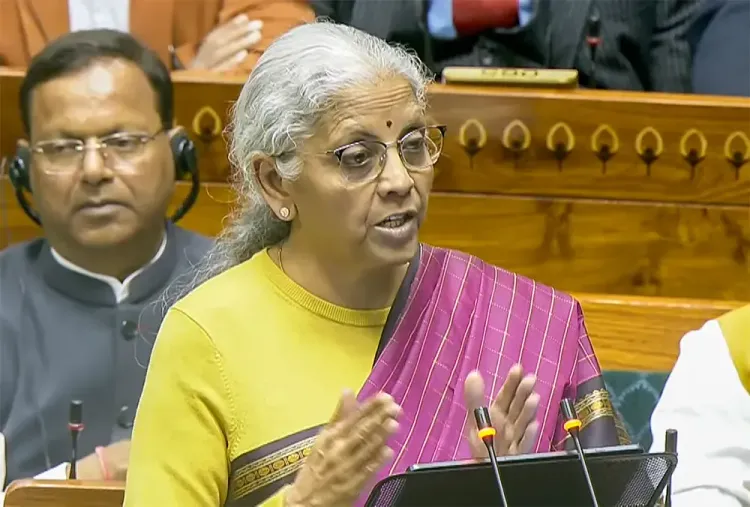
New Delhi, Feb 1 (NationPress) Finance Minister Nirmala Sitharaman, during the Budget 2026-27 presentation in Parliament on Sunday, revealed that the government is set to implement a Customs Integrated System (CIS) within two years. This initiative aims to create a single, integrated, and scalable platform for all customs processes.
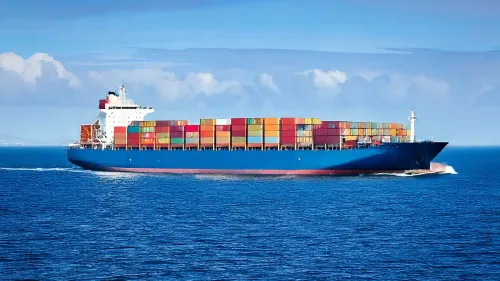
The Finance Minister elaborated that the use of non-intrusive scanning alongside advanced imaging and AI technology for risk assessment will be gradually enhanced, with the goal of inspecting every container at major ports.
Additionally, she stated that approvals needed for cargo clearance from various government agencies will be processed through a single interconnected digital window by the conclusion of the financial year. Processes concerning the clearance of food, drugs, plants, animals, and wildlife products—representing approximately 70 percent of interdicted cargo—will be operational by April 2026.
Furthermore, for goods that do not require compliance, Customs will expedite clearance immediately upon the completion of online registration by the importer, contingent on duty payment.
She also unveiled measures to empower Indian fishermen to maximize the economic benefits of marine resources beyond territorial waters. These initiatives include waiving duties on fish caught by Indian vessels in the Exclusive Economic Zone (EEZ) or on the high seas, with landings at foreign ports classified as exports.
To prevent misuse during the fishing process, safeguards will be established for catch, transit, and transshipment.
The Finance Minister further announced the complete removal of the current value cap of Rs 10 lakh per consignment on courier exports, enabling small businesses, artisans, and startups in India to tap into global markets through e-commerce. Additionally, the handling of rejected and returned consignments will be enhanced through effective technology.
She noted that there are honest taxpayers eager to resolve disputes by settling their dues but are discouraged by the stigma associated with penalties. Henceforth, they will have the opportunity to close cases by paying an additional amount instead of facing penalties.
Point of View
I perceive the announcements made in the Budget 2026-27 as a pivotal step towards enhancing the ease of doing business in India. The introduction of the Customs Integrated System reflects a commitment to modernizing trade processes, which could significantly boost the economy and support local enterprises.
NationPress
1 Oct 2026
Frequently Asked Questions
What is the Customs Integrated System (CIS)?
The Customs Integrated System (CIS) is a proposed single, integrated platform for managing all customs processes aimed at enhancing efficiency and ease of doing business.
How will the CIS affect cargo clearance?
The CIS will streamline approvals required for cargo clearance through a single digital window, expediting the process significantly.
What benefits are there for Indian fishermen?
Indian fishermen will benefit from duty-free regulations on fish caught in the Exclusive Economic Zone and improved support for accessing global markets.
What changes are being made for small businesses in courier exports?
The current value cap of Rs 10 lakh per consignment on courier exports has been removed, allowing small businesses and artisans to expand their reach globally.
What measures are in place to ensure compliance?
Safeguards will be implemented to prevent misuse during the processes of fish catch, transit, and transshipment.