Why Did a Pakistani Military Drone Strike Kill Civilians in Balochistan?
Synopsis
A shocking military drone strike in Balochistan has claimed the lives of unarmed civilians, including a child, igniting outrage from human rights organizations. Calls for accountability and investigations are mounting amidst ongoing internet blackouts that obscure the truth behind these tragic events.
Key Takeaways
Drone strikes have devastating impacts on civilian populations.
Human rights organizations call for accountability and transparency.
Internet blackouts hinder accurate reporting and verification.
The situation in Balochistan requires urgent international attention.
Enforced disappearances highlight ongoing human rights abuses.
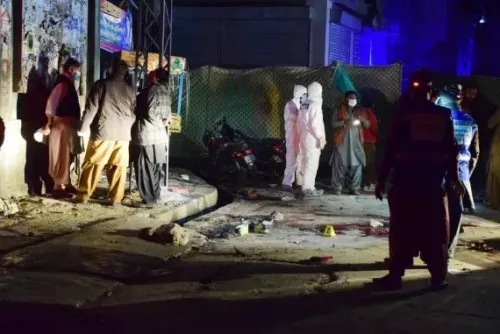
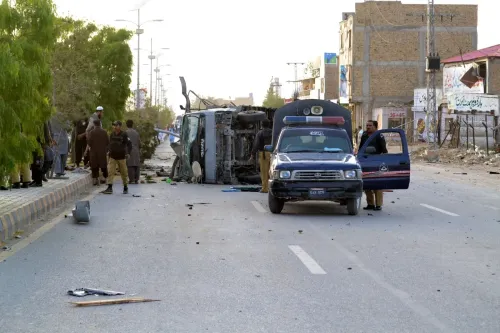
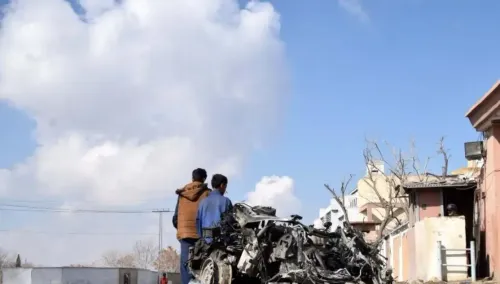
Quetta, Feb 3 (NationPress) A prominent human rights organization has vehemently condemned the death of unarmed civilians, including a young child, during a military drone strike in Pakistan that targeted residential zones in Balochistan.
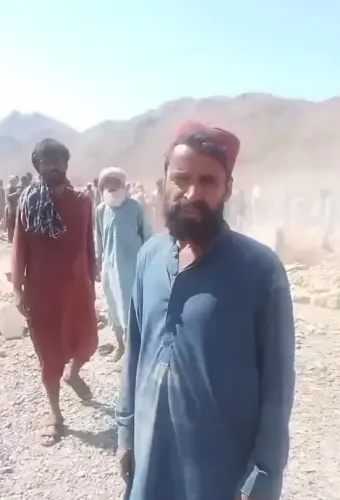
According to the Baloch Voice for Justice (BVJ), the incident on February 1 in the Killi Jamaldini area of Nushki district hit civilians while they were at home, with women and elderly individuals among those affected.
"The deaths of unarmed civilians, including a child, represent a serious breach of international humanitarian law. Such actions are forbidden under the Geneva Conventions and can be classified as a war crime," stated the rights organization.
The BVJ has called for impartial and transparent investigations and accountability in accordance with international law.
In related developments, the Human Rights Council of Balochistan (HRCB) expressed grave concerns regarding the situation in Balochistan, highlighting that the ongoing internet blackout has severely hindered the ability to verify information or accurately report casualty figures.
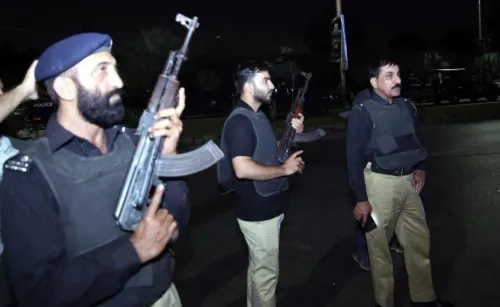
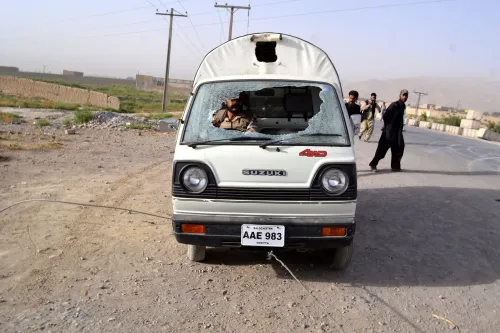
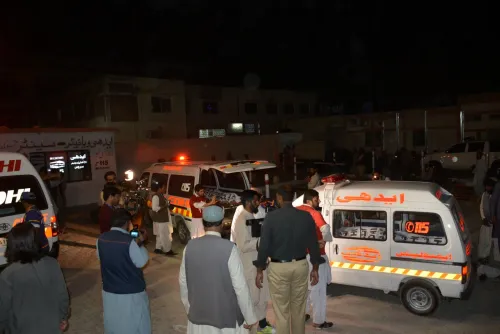
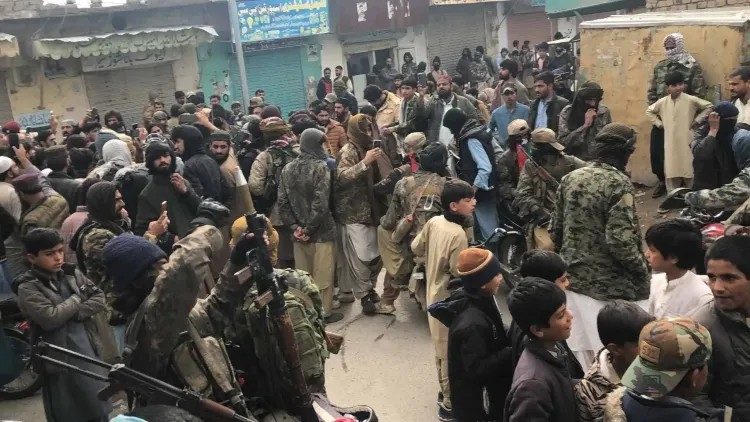
Disturbing reports have surfaced from several districts, including Kech, Gwadar, and Nushki, indicating that numerous civilians, particularly women and children, have lost their lives due to indiscriminate gunfire from Pakistani security forces.
The HRCB pointed out that claims from the provincial government asserting that over 150 militants were killed sharply contradict independent reports.
"The absence of transparency is highly troubling. The government must disclose complete details and identities of those claimed to have been killed," they noted.
Expressing skepticism over Chief Minister Mir Sarfraz Bugti's assertion that more than 1,000 militants were killed last year, the HRCB remarked, "Considering the long-documented pattern of individuals being killed while in custody and subsequently labeled as militants killed in 'encounters', these claims cannot be taken at face value."
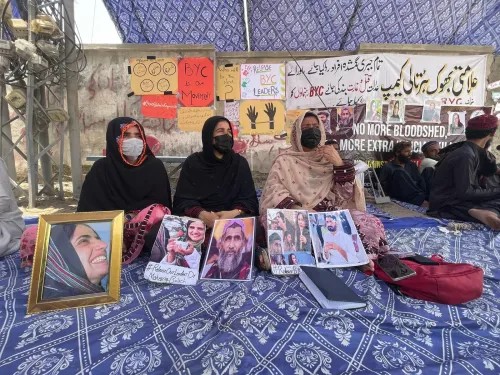
The Baloch National Movement's Human Rights Department, known as Paank, reported the enforced disappearances of seven civilians by Pakistani forces on Monday.
They highlighted that 25-year-old Meeran, a fisherman, was seized by the Pakistan Army from the Sohrabi Ward area of Gwadar district on Monday morning. His whereabouts remain unknown to his family.
Paank also noted that 20-year-old Umair Baloch, a student, was forcibly disappeared on February 1 in Quetta by personnel from the Counter Terrorism Department (CTD).
The organization condemned the enforced disappearance of two brothers, 29-year-old Balach Yousuf and 25-year-old Beebarg Yousuf, who were taken during a raid on January 23 in Gwadar.
According to local sources and family members, the raid was executed by a local death squad in conjunction with the Pakistan Army, who forcibly removed both brothers to an undisclosed location.
In another instance, a significant number of Pakistani army personnel raided several homes in the Hub Chowki area of Balochistan, resulting in the forced disappearance of Retired Deputy Commissioner Mohammad Bakhsh Sajidi, his brother Naeem Sajidi, and Engineer Rafeeq Baloch, the former Chief of Sui Gas in the province.
Point of View
My perspective remains aligned with the nation's values of justice and transparency. The recent drone strike and subsequent civilian casualties in Balochistan highlight the urgent need for accountability. We must advocate for the protection of human rights and ensure that those responsible for violence against civilians are brought to justice.
NationPress
19 Sept 2026
Frequently Asked Questions
What happened in Balochistan?
A military drone strike targeted residential areas, resulting in the deaths of unarmed civilians, including children.
What do human rights organizations say about the incident?
They condemn the killings as serious violations of international humanitarian law and call for investigations.
Is there any accountability for these actions?
Human rights groups are urging for independent investigations and transparency from the government.
How has the internet blackout affected information flow?
The ongoing internet shutdown has made it challenging to verify reports and casualty figures.
What other human rights violations are reported?
There are troubling reports of enforced disappearances and indiscriminate firing on civilians.