Indian Clerics and Javed Akhtar Reject Taliban's Domestic Violence Legislation
Synopsis
In a fervent response to the Taliban's new law allowing domestic violence, prominent Indian clerics and Javed Akhtar have condemned the move as a misuse of religion. Their collective outcry underscores the urgent need for accountability and respect for women's rights.
Key Takeaways
Taliban's New Law: Permits domestic violence against women.
Religious Misuse: Clerics condemn the law as a distortion of Islamic values.
Javed Akhtar's Call: Urges religious leaders to denounce this regulation.
Global Outrage: Highlights the international community's concerns over women's rights.
Unity Among Clerics: A united front against the Taliban's oppressive measures.
Lucknow, Feb 23 (NationPress) Leading Muslim clerics in India have vehemently criticized the Taliban’s latest legal framework in Afghanistan, which allegedly legitimizes domestic abuse, deeming it a gross distortion of faith and a breach of Islamic teachings. This controversial legislation permits husbands to inflict physical harm on their wives “without inflicting bone fractures or open wounds” and imposes penalties on women who visit their families without spousal consent, igniting outrage among spiritual leaders and the broader community.
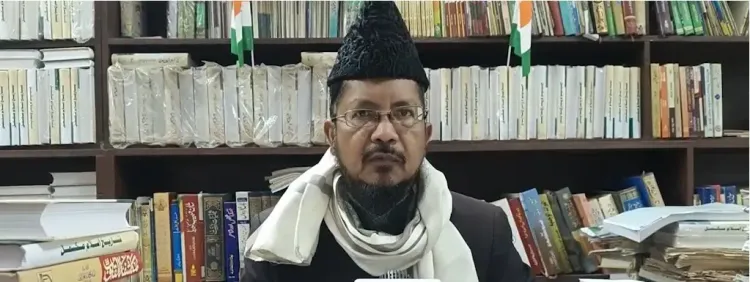
Maulana Shahabuddin Razvi Barelvi, President of the All India Muslim Jamaat, stated, “The Taliban has once again seized power in Afghanistan. Historically, their reputation has been one of fear. We have never recognized the Taliban, seeing them consistently involved in acts of terror. Even if they profess to have reformed their practices, violence and abuse are incompatible with Islamic teachings. The Taliban must refrain from issuing such harmful decrees that jeopardize personal relationships.”
Maulana Mohammad Mirza Yasoob Abbas, a cleric and speaker for the All-India Shia Personal Law Board (AISPLB), remarked, “It is deeply unfortunate that the Taliban misuses religion to create chaos. This new regulation is fundamentally wrong and warrants strong condemnation.”
Shia leader Maulana Saif Abbas also condemned the Taliban, asserting, “The Taliban operates with a double standard. They profess Islamic values while simultaneously enacting laws that permit the abuse of wives and children. Domestic violence is unjustifiable, and we categorically reject this Taliban law.”
Iqbal Ansari, a former litigant from the Babri Masjid case, voiced, “Violence is universally condemned, irrespective of religious beliefs. We, too, identify as Muslims and adhere to our faith, but violence is unacceptable.”
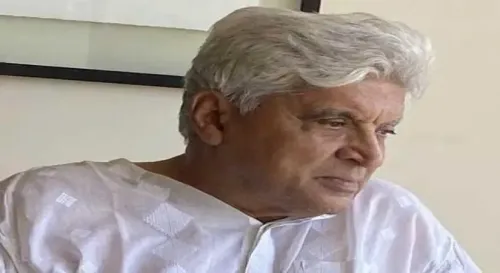
Veteran lyricist and poet Javed Akhtar took to X, urging Indian muftis and mullahs to unequivocally denounce this measure. He highlighted that the Taliban's law permits wife beating “without any bone fracture” while penalizing women with three months’ imprisonment for visiting their parents without their husband's consent. His comments have sparked extensive debate on social media.
“This is being perpetrated in the name of religion, yet it is utterly intolerable,” Akhtar stated.
The reactions from Indian Muslim figures come amid widespread global condemnation of the Taliban’s stance on women, emphasizing the alarming exploitation of religion to rationalize violence.
Point of View
The condemnation from Indian Muslim clerics and cultural figures like Javed Akhtar illustrates a united front against the Taliban's controversial domestic violence law. This response not only highlights deep-rooted concerns about misinterpretations of religious texts but also emphasizes the need for a societal shift towards protecting women's rights.
NationPress
3 Oct 2026
Frequently Asked Questions
What does the Taliban's new law entail?
The Taliban's new law reportedly allows husbands to beat their wives without causing bone fractures or open wounds, and it punishes women with imprisonment for visiting their parents without permission.
How have Indian clerics reacted to this law?
Prominent Muslim clerics in India have condemned the law, calling it a misuse of religion and a violation of Islamic principles.
Who is Javed Akhtar and what was his stance on this issue?
Javed Akhtar is a veteran lyricist and poet who has publicly urged Indian religious leaders to denounce the Taliban's law, labeling it unacceptable.
What are the broader implications of this law?
The law has raised significant concerns about women's rights and the exploitation of religion to justify violence, prompting a global backlash.
Why is this issue significant?
It highlights the ongoing struggle for women's rights in Afghanistan and the misuse of religious authority to perpetuate violence.