Why Did CM Stalin Name the Coimbatore Flyover After Bharat Ratna C. Subramaniam?
Synopsis
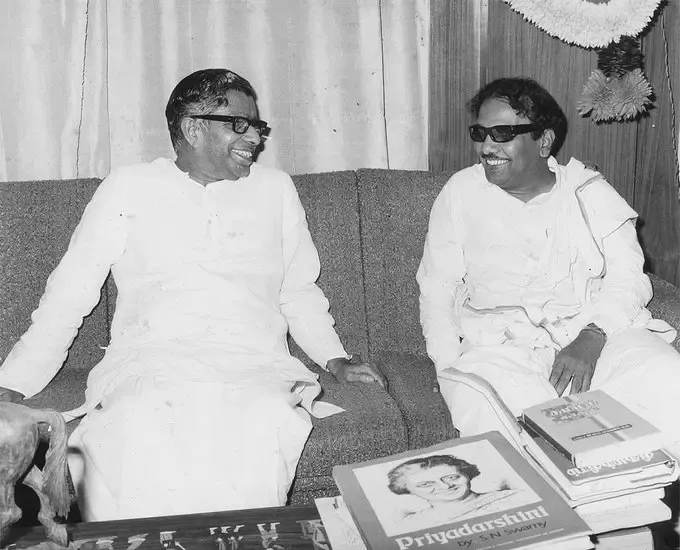
In a significant tribute, Chief Minister M.K. Stalin has announced the naming of a new flyover in Coimbatore after the esteemed C. Subramaniam. This decision honors a pivotal figure in India's agricultural revolution, highlighting his enduring legacy and contributions to the nation. Discover the story behind this tribute and its implications for modern India.
Key Takeaways
Subramaniam recognized as a key figure in India's Green Revolution .
The flyover in Coimbatore is a tribute to leaders who prioritized national service.
His visionary leadership greatly impacted India's agricultural policies.
A freedom fighter, he was imprisoned during the Quit India Movement .
His legacy inspires future generations in India.
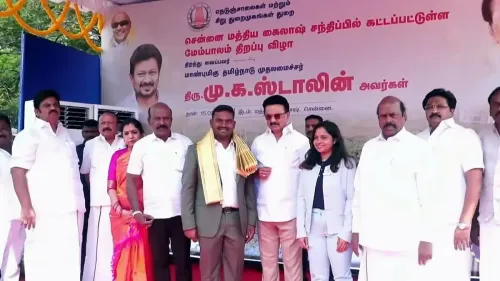
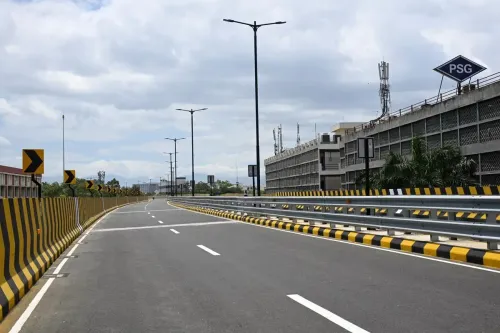
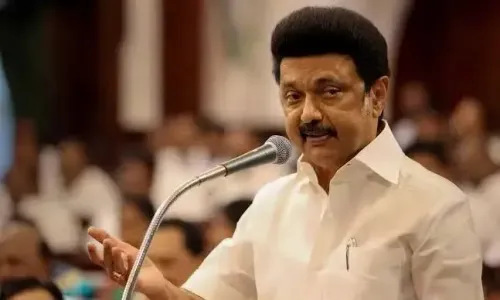
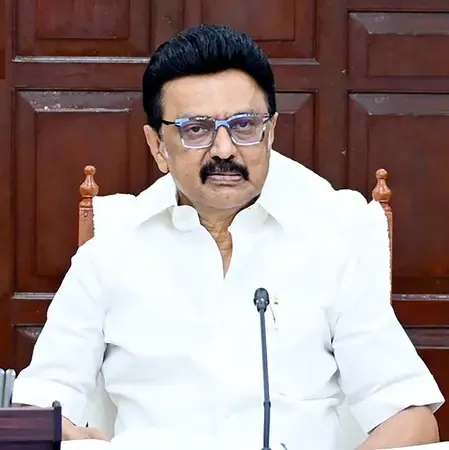
Chennai, Dec 28 (NationPress) Chief Minister M.K. Stalin declared on Sunday that the elevated flyover linking Aathupalam and Ukkadam Junction on Oppanakara Road in Coimbatore will be named after C. Subramaniam, honoring one of India's most revered leaders and a key figure in the Green Revolution.
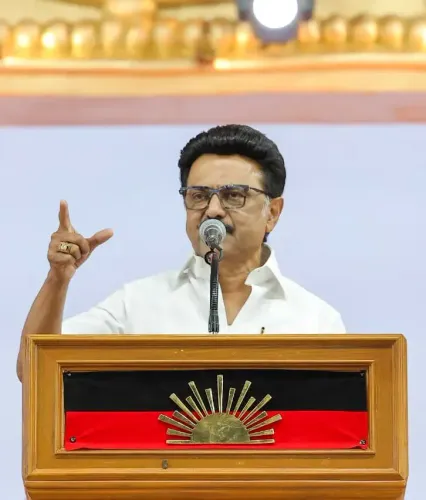
In his announcement, the Chief Minister emphasized that recognizing leaders who rose above political affiliations and dedicated their lives to national service is a significant show of respect.
He remarked that C. Subramaniam gained admiration nationwide through his forward-thinking leadership, unwavering commitment to public welfare, and unparalleled contributions to transforming India's agriculture.
CM Stalin mentioned that the decision was made following a request from Dr P.K. Krishnaraj Vanavarayar and expressed his delight in dedicating a major infrastructure project in Coimbatore to a leader who significantly influenced the shaping of modern India.
"Although he followed a different political route, his dedication to the nation and its citizens stands as a remarkable example. It is a privilege to honor such an eminent figure," the Chief Minister stated.
C. Subramaniam, widely acknowledged as the architect behind India's Green Revolution, played a pivotal role in transforming the nation from a food-scarce country to an agricultural powerhouse.
His innovative policies established the groundwork for enhanced food grain production and national food security.
Born on February 15, 1910, in Senguttai Palayam near Pollachi in the Coimbatore district, Subramaniam had a long and distinguished career in public service.
He held various positions, including Union Minister for Agriculture, Finance, and Defence, and later served as Governor of Maharashtra.
Additionally, he represented the populace in both the Tamil Nadu Legislative Assembly and the Parliament.
A freedom fighter who actively took part in the Quit India Movement, Subramaniam was imprisoned in 1942 due to his involvement in the struggle against British rule.
In recognition of his monumental contributions to the nation, he was awarded the Bharat Ratna, India's highest civilian honor, in 1998.
By naming the flyover after C. Subramaniam, the Tamil Nadu government honors a visionary leader whose legacy continues to motivate future generations and whose efforts remain deeply rooted in the nation's advancement.
Point of View
It's crucial to recognize the significance of honoring leaders like C. Subramaniam. His contributions to India’s agricultural transformation are unparalleled, and this tribute reflects a broader acknowledgment of public service beyond political affiliations. It serves as a reminder of the values that unite us in our national journey.
NationPress
2 Oct 2026
Frequently Asked Questions
Who is C. Subramaniam?
C. Subramaniam was a prominent Indian leader known for his role in the Green Revolution, significantly transforming India's agriculture and food security.
Why was the flyover named after him?
The flyover was named after C. Subramaniam to honor his monumental contributions to the nation and to recognize leaders who dedicated their lives to public service.
What is the Green Revolution?
The Green Revolution refers to a period of agricultural transformation in India, characterized by the adoption of high-yield variety seeds, fertilizers, and improved irrigation techniques, leading to increased food production.
What other positions did C. Subramaniam hold?
C. Subramaniam served as Union Minister for Agriculture, Finance, and Defence, and later as the Governor of Maharashtra.
When was he awarded the Bharat Ratna?
C. Subramaniam was awarded the Bharat Ratna, India's highest civilian honor, in 1998 for his exceptional contributions to the nation.