Has CMDA Stopped Building Permits Around Pallikaranai Marshland?
Synopsis
The CMDA has stopped building permits around Pallikaranai marshland, a crucial wetland in Chennai. This decision follows an NGT order aimed at protecting the area's ecology. Environmentalists welcome the move as a vital effort to preserve one of India's last major urban wetlands.
Key Takeaways
Building permits halted around Pallikaranai marshland.
NGT directive leads to protective measures.
Areas affected include Madipakkam and Pallikaranai .
Importance of Ramsar recognition for ecological preservation.
Environmental groups support the CMDA's actions.
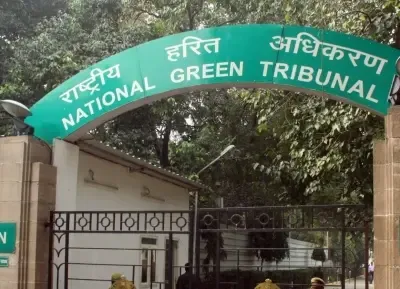
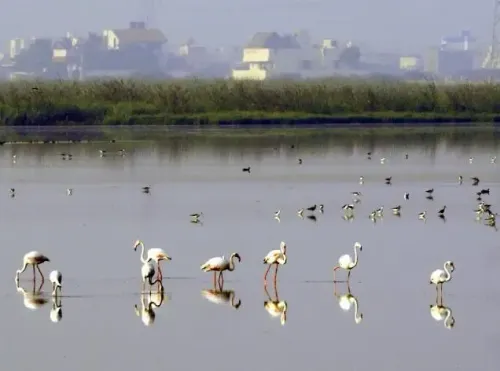
Chennai, Oct 8 (NationPress) The Chennai Metropolitan Development Authority (CMDA) has officially ceased the approval of building plans in and around the ecologically vital Pallikaranai marshland, following a recent directive issued by the southern bench of the National Green Tribunal (NGT).
In an announcement, the CMDA’s Master Plan Unit (MPU) confirmed that no new construction permits will be issued within the Ramsar-recognized wetland and within a one-kilometre buffer zone that surrounds it.
Local authorities have been directed to strictly adhere to the NGT’s order and the CMDA’s guidelines to safeguard the marsh.
This decision follows the NGT’s ruling on September 24, delivered by judicial member Justice Pushpa Sathyanarayana and expert member Prashant Gargava, which has temporarily halted all construction activities within one kilometre of the Pallikaranai marsh until a thorough scientific study delineates the wetland’s complete "zone of influence".
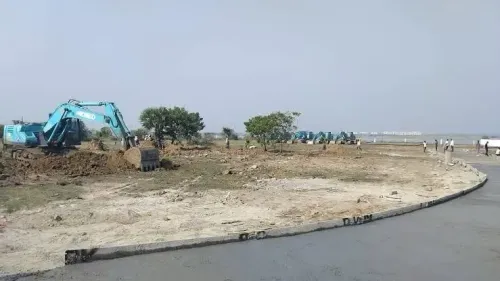
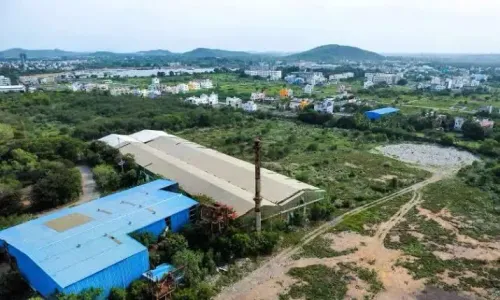
The Tribunal took this action after media reports surfaced about the construction of a road using debris in the Perumbakkam section of the marsh.
The new restrictions impact areas of Puzhuthivakkam, Madipakkam, Kulathur, Pallikaranai, Jalladianpet, Perumbakkam, Arasankalani, Semmancheri, Sholinganallur, Karapakkam, Injambakkam, Okkiyam Thoraipakkam, Seevaram, Perungudi, and Velachery — all now effectively restricted from receiving new building permits.
The CMDA informed the Tribunal that previous approvals were based on official revenue records which classified the land as private patta within a "primary residential use zone".
It also noted that there was no clear demarcation of marshland in the current Second Master Plan.
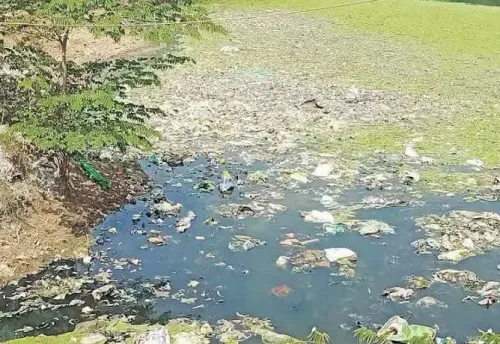
However, the authority is anticipating accurate survey data from the Tamil Nadu State Wetland Authority (TNSWA) to incorporate Ramsar boundaries into the forthcoming Third Master Plan, which is nearing completion. TNSWA surveys conducted last year revealed debris dumping just 150 meters from the Ramsar boundary and cautioned that modifications to natural stormwater channels could exacerbate flooding in nearby areas.
A study by Care Earth Trust previously suggested a comprehensive one-kilometre buffer to protect the marsh’s hydrology and biodiversity. The NGT has instructed the CMDA, TNSWA, and the state Water Resources Department to collaborate on mapping and finalizing the protected zone before any additional construction approvals can be considered. Environmental organizations have lauded this initiative as a critical measure to conserve one of southern India’s last significant urban wetlands.
Point of View
The recent actions taken by the CMDA highlight a growing recognition of the need to prioritize environmental conservation in urban planning. The NGT's intervention reflects a broader commitment to preserving vulnerable ecosystems, and it serves as a reminder of the balance that must be struck between development and ecological integrity.
NationPress
1 Oct 2026
Frequently Asked Questions
Why has CMDA halted building permits?
The CMDA has halted building permits around Pallikaranai marshland due to a directive from the National Green Tribunal aimed at protecting this ecologically sensitive area.
What areas are affected by the new restrictions?
The restrictions affect several areas including Puzhuthivakkam, Madipakkam, Kulathur, Pallikaranai, and others within a one-kilometre radius of the marsh.
What is the Ramsar recognition?
Ramsar recognition signifies that a wetland is of international importance, particularly for its ecological, cultural, and economic value.
What studies have been conducted regarding the marsh?
Studies by the Tamil Nadu State Wetland Authority and Care Earth Trust have recommended protective measures to maintain the marsh's biodiversity and hydrology.
How does this decision impact local development?
This decision restricts new construction and development in the affected areas, emphasizing the importance of environmental conservation in urban planning.