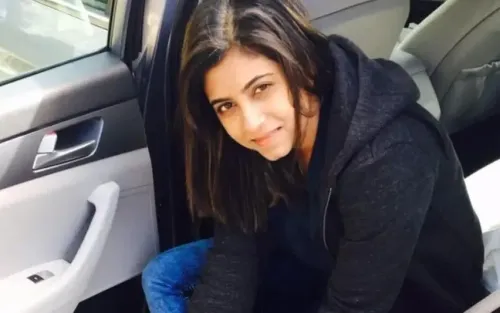
How is the Indian girl in a coma after a crash being supported by her community?
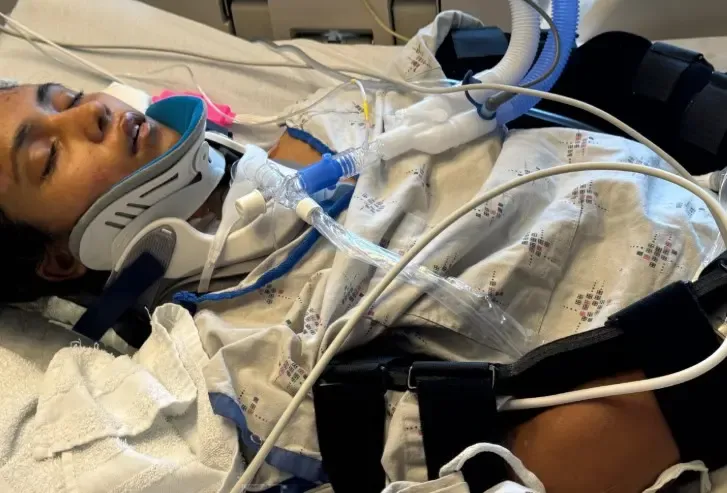
Synopsis
A young Indian girl from San Jose, Arti Singh, remains in a coma after a tragic accident. Her father, alone in a foreign land, is facing overwhelming challenges. Community organizations are uniting to provide much-needed support during this difficult time. Discover how the Bay Area community is rallying to assist Arti and her family.
Key Takeaways
Arti Singh was hit by a vehicle while crossing the street.
She is currently in a coma at Santa Clara Valley Medical Center .
Her father is struggling with medical and legal challenges.
Community organizations are mobilizing to provide support.
Accidents involving pedestrians are a growing concern in the area.
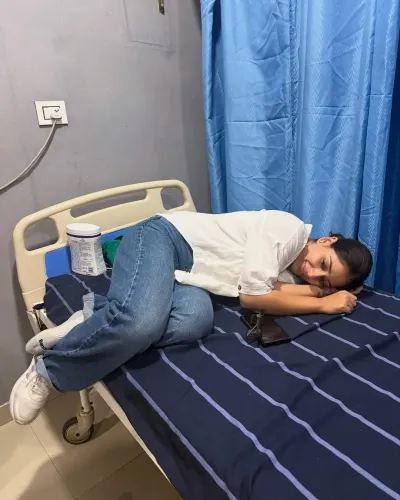
Washington, Dec 10 (NationPress) A young Indian girl from San Jose is currently in a coma following a tragic accident earlier this month, which has led to significant support from local community organizations as her father faces immense medical and legal hurdles far from his homeland.
Arti Singh, who was returning from a professional networking event, was hit by a vehicle while crossing the street near her residence on November 9.
Since the accident, she has remained unconscious and is receiving intensive care at the Santa Clara Valley Medical Center, where medical professionals have conducted major surgeries on her neck and stomach to assist with her breathing and nutrition, according to a recent press release.
“My daughter has yet to open her eyes. I speak to her daily, wishing she can hear me. I am here alone - just her, and the hope that she will awaken,” her father, Sumiran Singh, expressed.
Continuously by her side, he remarked, “I don’t know who the driver is. I don’t know anything else. I just want answers.”
The San Jose Police Department confirmed that the incident was not a hit-and-run. However, they have not disclosed the identity of the driver, according to the media report.
Singh mentioned that he was only told the driver was a man in his 50s and did not have insurance at the time of the accident.
Authorities have not provided updates on the driver's condition or any potential charges, which has left the family feeling frustrated due to the lack of information.
Singh, who lacks relatives or a support system in the Bay Area, is struggling to handle the overwhelming medical, logistical, and legal challenges that have arisen since the accident.
He does not have access to Arti’s documents, personal items, or electronic devices, complicating communication and day-to-day decision-making. Community advocates noted that language barriers and unfamiliarity with local processes have made his circumstances even more challenging.
The Overseas Organisation for Better Bihar (O2B2), a community group in Northern California, became aware of the accident and promptly offered assistance.
“This is every parent’s worst nightmare,” a representative stated. “Singh is here alone without family support. Our community is doing everything possible to ensure he does not have to face this burden in silence.”
The organization has been accompanying him to hospital appointments, government offices, and various agencies while also initiating a fundraising campaign to cover his accommodation, transportation, food, and other essential needs.
“This situation is heartbreaking,” an O2B2 spokesperson said. “Singh has no one here. No relatives. No support. When we met him, he didn’t even know where he would sleep. We cannot allow a father to struggle alone in a foreign country while his daughter fights for her life. We are urging the Indian community in the Bay Area to help Arti Singh and her father in any way they can.”
Community volunteers have echoed calls for broader assistance and greater transparency from local authorities.
“We are praying for Arti every moment,” a volunteer shared. “We want her to regain consciousness. And we want her father to feel that he is not alone.”
Community leader Ajay Bhutoria is also raising this issue with the District Attorney’s office while coordinating support for the family.
As Arti continues to be in critical condition, messages of solidarity and prayers have been pouring in from across California and beyond.
Her father remains vigil at her side, whispering through tears: “Wake up, beta. I’m right here.”
Accidents involving pedestrians are a growing concern in numerous U.S. cities, including California, where dense traffic and limited crossings have prompted repeated calls for enhanced safety measures.
Indian students and young professionals in the Bay Area, one of the largest Indian diaspora hubs in the United States, often depend heavily on walking or shared transportation, increasing their vulnerability to road-related dangers.
In recent years, the Indian consulate in San Francisco has expanded outreach to families affected by medical emergencies, accidents, and legal challenges, reflecting the growing Indian population in the area.
Community organizations, including volunteer-driven cultural and regional groups, regularly mobilize to support individuals facing crises far from home.
Point of View
It is crucial to portray the emotional and societal impact of this tragic incident. The support from the community highlights the importance of solidarity during difficult times. We should continue to raise awareness about pedestrian safety and the need for a robust support system for families in crisis.
NationPress
23 Aug 2026
Frequently Asked Questions
What happened to Arti Singh?
Arti Singh was involved in a serious accident on November 9 while crossing the road, leading to her being in a coma.
How is the community helping?
Community groups, like the Overseas Organisation for Better Bihar, are providing support to her father, including fundraising and logistical assistance.
What is the current condition of Arti Singh?
Arti remains in a coma at the Santa Clara Valley Medical Center, undergoing intensive treatment.
What challenges is her father facing?
Her father, Sumiran Singh, is navigating medical and legal challenges alone, without family support in the Bay Area.
What can the public do to help?
The community is encouraged to contribute to fundraising efforts and provide support to the Singh family during this challenging time.