How are Nations Coping with Deadly Conflicts in 2025?
Synopsis
As 2025 draws to a close, the world grapples with the shadows of conflict from Asia to Africa. Nations face severe humanitarian crises, making peace seem like an elusive dream. Explore the complex web of geopolitical tensions that have defined this tumultuous year.
Key Takeaways
Geopolitical Instability: Tensions across multiple regions have led to widespread conflict.
Humanitarian Crisis: Millions are affected by displacement and violence.
Failed Peace Initiatives: Despite efforts, many regions remain in turmoil.
International Repercussions: Global stability is increasingly threatened by these conflicts.
Human Rights Violations: Reports of serious abuses persist across affected areas.
New Delhi, Dec 30 (NationPress) In 2025, conflicts and geopolitical instability stretched across regions including Southeast Asia, South Asia, the Middle East, Europe, and Africa, with peace continuing to be a distant goal. These clashes led to global instability and triggered a profound humanitarian crisis amidst a rapidly shifting geopolitical security environment. Despite numerous peace initiatives, many areas remained mired in violence.
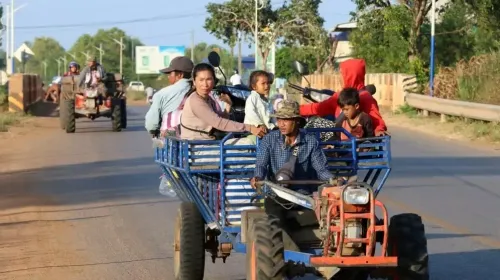
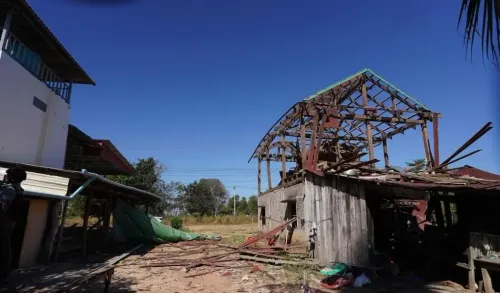
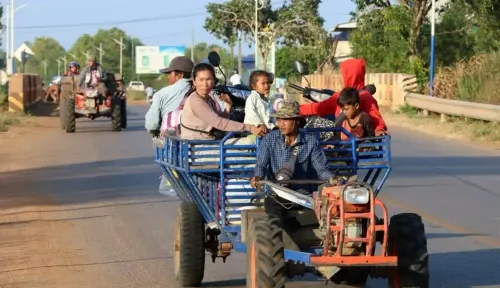
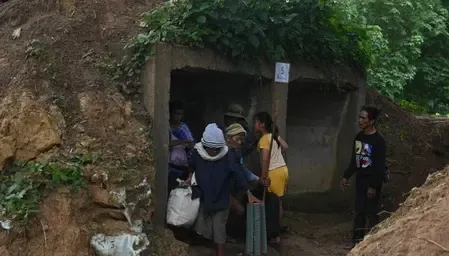
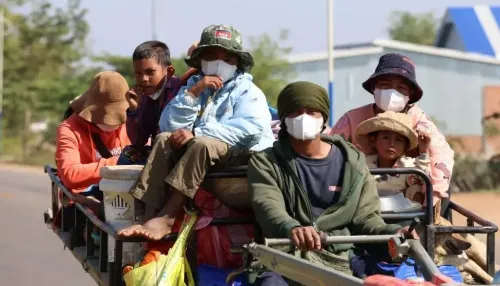
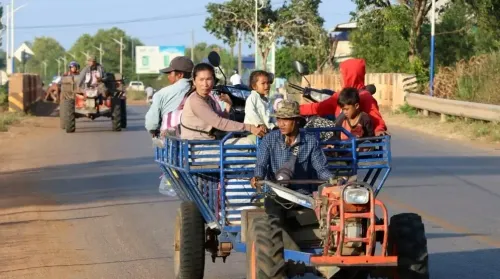
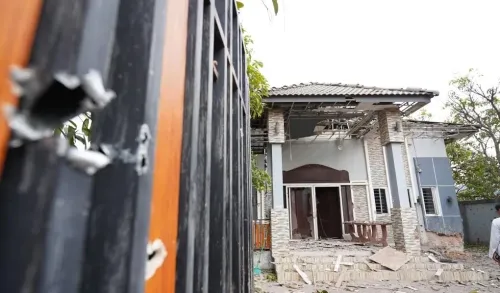
Southeast Asia was particularly tense, as the discord between Cambodia and Thailand escalated, ignited by a confrontation in May near the Emerald Triangle, where Thailand, Cambodia, and Laos converge. This incident resulted in the death of a Cambodian soldier. By July, tensions flared further as both nations exchanged artillery fire and mobilized heavy weaponry along the border, prompting extensive civilian evacuations.
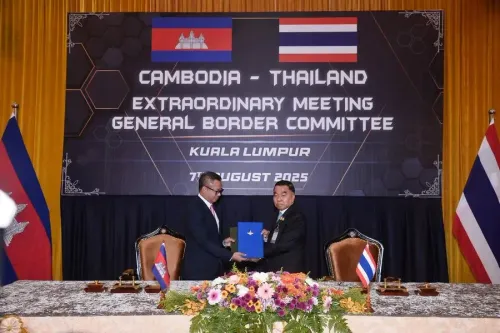
A ceasefire in July provided a temporary respite, but it collapsed in early December, leading to renewed hostilities. On December 27, a new peace agreement was forged between Thai Defence Minister Natthapon Nakpanich and Cambodian Deputy Prime Minister and Defence Minister Tea Seiha at a border checkpoint in Thailand’s Chanthaburi Province, restoring a semblance of normalcy.
In South Asia, Pakistan and Afghanistan have been locked in intense combat in recent months, with Islamabad conducting multiple airstrikes within Afghanistan. Pakistan accuses Afghanistan of harboring Tehreek-i-Taliban Pakistan (TTP), a claim vehemently denied by Kabul. The Taliban has continually condemned Pakistan's military actions, labeling them as infringements on Afghanistan's sovereignty.
Moreover, Pakistani authorities intensified oppression against Afghan refugees, leading to the forcible deportation of millions by year’s end and causing a widespread humanitarian crisis during a harsh winter. Reports indicate that Afghan refugees in Pakistan faced continuous harassment from law enforcement, which included searches, arrests, and exploitation of their precarious situations.
In Pakistan's Balochistan province, unrest surged, spurred by severe human rights violations, including extrajudicial killings, enforced disappearances, and torture of Baloch civilians by state forces.
Additionally, clashes between Pakistani security forces and rebel factions escalated, resulting in the deaths of several soldiers. The populace in Balochistan is actively seeking autonomy from Pakistan. Numerous global human rights organizations have spotlighted the ongoing repression by Pakistani forces in the region, which includes aggressive raids on the homes of Baloch leaders and civilians, unlawful detentions, enforced disappearances, and the 'kill and dump' policy.
Recently, international human rights groups have raised alarms over a disturbing increase in enforced disappearances by Pakistani security forces, particularly targeting women and young girls.
The South Asian landscape remains volatile, with violence and human rights violations persisting in Bangladesh since the interim government led by Muhammad Yunus took power in August 2024, following the ousting of former Prime Minister Sheikh Hasina.
The year was marred by a dramatic rise in assaults on minorities, especially the Hindu community. A particularly heinous incident occurred on December 18, when a 25-year-old Hindu man, Dipu Chandra Das, was lynched by a mob over unfounded blasphemy allegations. His lifeless body was hung from a tree and subsequently set ablaze. Within a week, another Hindu man, 29-year-old Amrit Mondal, suffered a similar fate at the hands of a mob in Hossaindanga, Kalimohar Union.
As the Bangladesh Election Commission announced plans for the nation’s 13th parliamentary election, alongside a referendum on the July Charter to be held on February 12 next year, violence surged across the country. Following the assassination of extremist leader Sharif Osman Hadi, his followers unleashed havoc targeting minorities, Indian diplomatic missions, cultural institutions, and media outlets.
In the Middle East, the long-standing conflict escalated with a direct and armed confrontation between Israel and Iran. On June 13, Israel launched Operation Rising Lion, aimed at neutralizing the Iranian threat of nuclear armament. As both sides retaliated against each other's strategic sites, the U.S. intervened, bombing three fortified nuclear facilities in Iran: Fordow, Natanz, and Esfahan, warning Tehran of further precision strikes unless the hostilities ceased. After 12 days of fighting, U.S. President Donald Trump declared a ceasefire, momentarily halting the conflict.
In Europe, the ongoing war between Russia and Ukraine continued to be a significant global flashpoint this year. Russia's invasion of Ukraine in 2022, which escalated into a full-scale war, entered its third year in 2025. Despite diplomatic efforts and peace proposals, numerous offensives and counter-offensives from both sides failed to yield a resolution. Recent developments included Ukrainian President Volodymyr Zelensky unveiling a new U.S.-led 20-point peace plan, although Moscow expressed dissatisfaction with several of its terms.
African nations also suffered a surge in violence due to prolonged conflicts, leading to a dire humanitarian crisis.
In Sudan, armed confrontations between the Sudanese Armed Forces (SAF) and the paramilitary Rapid Support Forces (RSF) have plunged the nation further into chaos and immense suffering. The power struggle between these factions, which began in April 2023, has escalated into a conflict that has claimed thousands of innocent lives and displaced millions.
In the neighboring Democratic Republic of Congo, clashes between Rwanda-backed M23 rebels and Congolese forces intensified in 2025, resulting in hundreds of deaths and mass displacements. A peace accord was established between DR Congo and Rwanda, facilitated by the United States, yet violence persists.
This year’s surge in conflicts has not only posed challenges to the existing global order but has also kept instability ever-present. As the world approaches 2026, the hope for peace remains overshadowed by numerous unresolved disputes.
Point of View
It is imperative to recognize the multifaceted challenges faced by nations embroiled in conflict. The persistent human rights violations and geopolitical struggles underscore the urgent need for concerted international efforts to foster peace and security. NationPress remains committed to delivering insightful analyses of these critical issues that impact global stability.
NationPress
30 Sept 2026
Frequently Asked Questions
What are the main regions affected by conflicts in 2025?
The primary regions impacted by conflicts in 2025 include Southeast Asia, South Asia, the Middle East, Europe, and Africa, each facing unique challenges.
What triggered the tensions between Cambodia and Thailand?
Tensions escalated due to a confrontation in May near the Emerald Triangle, culminating in artillery exchanges and civilian evacuations.
How have Afghan refugees been treated in Pakistan?
Afghan refugees have faced increased repression, with millions reportedly deported and subjected to harassment by Pakistani authorities.
What has been the impact of the Israel-Iran conflict?
The Israel-Iran conflict has escalated into direct military confrontations, causing significant geopolitical tensions and humanitarian concerns.
What ongoing issues exist in the Democratic Republic of Congo?
The Democratic Republic of Congo faces escalating violence between M23 rebels and Congolese forces, resulting in numerous casualties and displacements.