Congress CMs, Education Ministers meet in Delhi to chart education reform agenda
Synopsis
Congress President Kharge and LoP Rahul Gandhi gathered party Chief Ministers and Education Ministers from four states at Indira Bhawan on 29 September to build a unified education reform platform — with directives to hold state-level seminars, counter what the party calls RSS influence in universities, and expand the Chhatron ki Goonj student programme. The push is as much political positioning ahead of elections as it is policy-making.
Key Takeaways
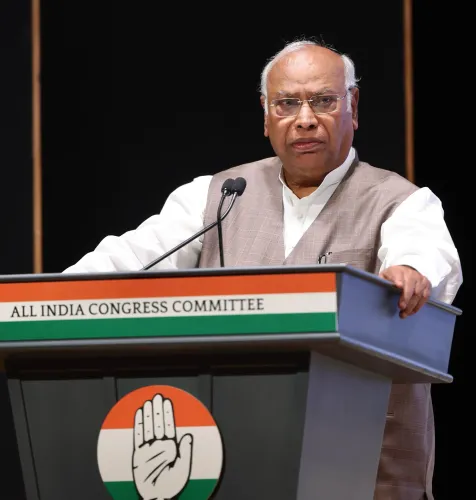
Congress President Mallikarjun Kharge and LoP Rahul Gandhi chaired the meeting at Indira Bhawan, New Delhi on 29 September 2026 .
Chief Ministers of Karnataka , Kerala , Himachal Pradesh , and Telangana attended along with party general secretaries.
CMs were directed to hold state-level education seminars and prepare detailed action plans to become ‘model states’ in education.
Party leaders called on Congress-ruled states to resist what K.
Venugopal described as RSS efforts in the education sector and push back on RSS-backed Vice Chancellor appointments.
A national-level education seminar with experts was also announced to coordinate rollout plans.
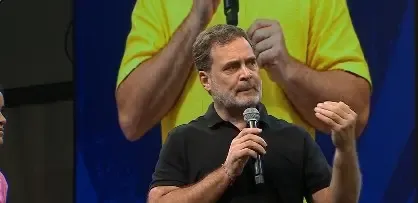
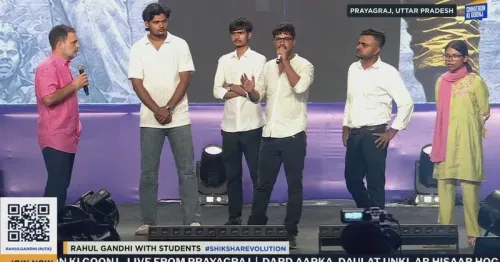
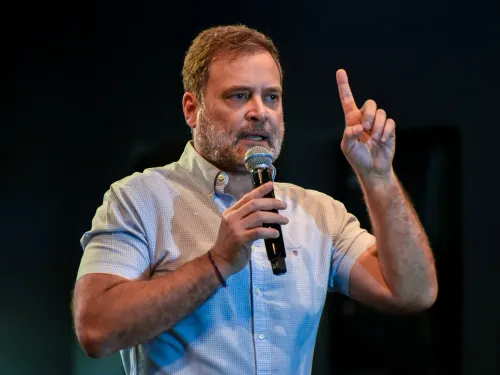
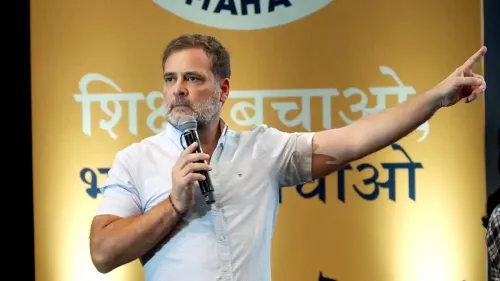
The Chhatron ki Goonj student outreach programme is set to be expanded, with Rahul Gandhi specifically addressing this initiative.
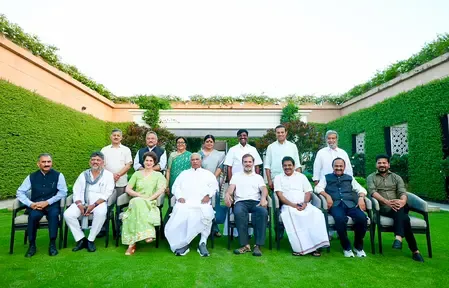
Congress President Mallikarjun Kharge and Leader of the Opposition Rahul Gandhi on Wednesday, 29 September 2026, convened a high-level meeting at Indira Bhawan in New Delhi with Chief Ministers and Education Ministers of Congress-ruled states to deliberate on reforms in the education sector and the examination system. The gathering signals the party's push to consolidate a distinctive education policy identity ahead of upcoming electoral contests.
Who Was at the Table
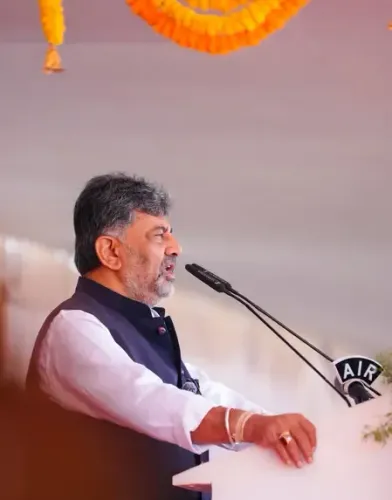
The meeting brought together senior party leadership alongside state heads. Karnataka Chief Minister D. K. Shivakumar, Kerala Chief Minister V. D. Satheesan, Himachal Pradesh Chief Minister Sukhvinder Singh Sukhu, and Telangana Chief Minister A. Revanth Reddy were among the attendees. Party General Secretary (Organisation) K. C. Venugopal, along with General Secretaries Priyanka Gandhi and Randeep Singh Surjewala, also participated.
Key Directives Issued
According to a post by Venugopal on X following the meeting, the Chief Ministers were directed to hold state-level education seminars in consultation with educationists, academic experts, student organisations, and other stakeholders. These seminars are expected to feed into a detailed action plan aimed at making Congress-governed states ‘model states for education.’
A national-level seminar with subject-matter experts was also planned to develop mechanisms for rolling out these proposals. The Chief Ministers were additionally asked to prepare presentations addressing what the party described as an ideological ‘agenda’ in the education system, including concerns over the appointment of what they termed ‘RSS-backed Vice Chancellors.’
The RSS Framing
Venugopal, in his post on X, urged Congress-ruled states to resist what he characterised as ‘RSS (Rashtriya Swayamsevak Sangh) efforts’ in the education sector. The party framed its own reform push as a counter-narrative, positioning Congress governments as alternatives that can set higher standards in public education. This framing is notable given ongoing national debate over curriculum content, university governance, and the role of ideological bodies in academic institutions.
Chhatron ki Goonj and Youth Outreach
The meeting also focused on expanding the ‘Chhatron ki Goonj’ programme, a student-outreach initiative that Rahul Gandhi reportedly addressed at length. The Congress party has been actively courting students and young voters, and the programme appears to be a key vehicle for that engagement. Notably, this gathering follows earlier Congress efforts to build a coherent youth and education plank as a political differentiator against the ruling Bharatiya Janata Party (BJP) at the Centre.
Broader Context and What Comes Next
The Congress currently governs Karnataka, Kerala, Himachal Pradesh, and Telangana, giving it a meaningful laboratory to demonstrate policy alternatives in education. Critics argue, however, that the party’s language has been more combative than programmatic so far. The next steps — state seminars, stakeholder consultations, and the planned national conclave — will determine whether the initiative translates into concrete policy or remains a political messaging exercise ahead of the election cycle.
Point of View
Not just reform a curriculum. With four state governments in hand, the party has a genuine opportunity to demonstrate an alternative model, but directing Chief Ministers to prepare ‘presentations against an agenda’ risks substituting rhetoric for the hard work of improving learning outcomes. The real test will be whether state seminars produce measurable commitments — on teacher vacancies, infrastructure, or examination integrity — or simply generate press lines. Education reform that outlasts electoral cycles requires institutional design, not just ideological opposition.
NationPress
30 Sept 2026
Frequently Asked Questions
What was discussed at the Congress education meeting on 29 September?
The meeting at Indira Bhawan in New Delhi focused on education sector reforms, examination system improvements, and strategies for Congress-governed states to become model states in education. Leaders also discussed countering what they described as RSS influence in academic institutions and expanding the Chhatron ki Goonj student programme.
Which Congress Chief Ministers attended the meeting?
Karnataka CM D. K. Shivakumar, Kerala CM V. D. Satheesan, Himachal Pradesh CM Sukhvinder Singh Sukhu, and Telangana CM A. Revanth Reddy were present. Congress President Mallikarjun Kharge, LoP Rahul Gandhi, and senior general secretaries including K. C. Venugopal, Priyanka Gandhi, and Randeep Singh Surjewala also attended.
What is the Chhatron ki Goonj programme?
Chhatron ki Goonj is a Congress student-outreach initiative that the party plans to expand as part of its youth engagement strategy. LoP Rahul Gandhi reportedly addressed this programme specifically during the meeting, underlining its importance to the party’s outreach among young voters.
What steps have been directed for Congress-ruled states after the meeting?
Chief Ministers were directed to hold state-level education seminars in consultation with educationists, academic experts, and student organisations, then prepare detailed action plans based on those inputs. A national-level seminar with experts is also planned to coordinate the rollout.
Why is Congress targeting RSS influence in education?
According to General Secretary K. C. Venugopal’s post on X, the party believes RSS-backed appointments to Vice Chancellor positions are being used to advance an ideological agenda in higher education. Congress has framed its own governance in state universities as a counter to this trend, though critics note the party’s language has been largely political rather than tied to specific policy proposals.