ED attack case: 7 CPI-M workers move Kerala HC for bail after 60 days
Synopsis
More than 60 days after their arrest, seven CPI-M workers accused of attacking an ED convoy in Kochi have taken their bail fight to the Kerala High Court — after two Sessions Court rejections. With the prosecution rushing a partial charge sheet to block statutory bail and the ED deploying the Assistant Solicitor General, the legal battle over the attack linked to the Pinarayi Vijayan household search is entering a critical phase.
Key Takeaways
Seven CPI-M workers have approached the Kerala High Court for bail after more than 60 days in judicial custody.
The Sessions Court had rejected their bail applications on two previous occasions .
Hearings are scheduled between Thursday and 4 August ; the ED has engaged the Assistant Solicitor General to oppose bail.
The accused argue the attempt to murder charge is unsustainable — no weapons were used, no grievous injuries recorded, and no test identification parade was held.
The prosecution is reportedly filing a partial charge sheet to block statutory bail for the 24 CPI-M workers still in custody.
The case stems from an alleged attack on an ED convoy following a search linked to the CMRL-Exalogic investigation involving Veena Vijayan's now-defunct IT firm.
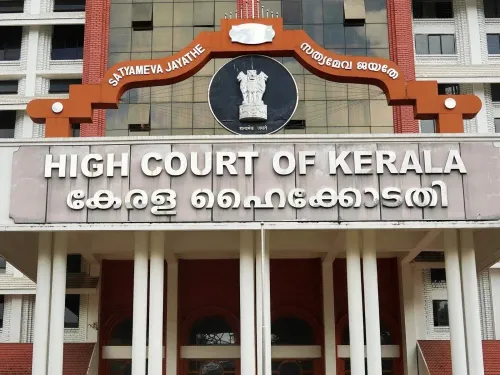
Seven Communist Party of India (Marxist) workers accused in the alleged attack on Enforcement Directorate (ED) officials in Kochi have approached the Kerala High Court seeking bail, more than two months after their arrest. The bail petitions are scheduled to be heard between Thursday and 4 August, setting the stage for a high-profile legal confrontation between the accused and the central agency.
Background of the Case
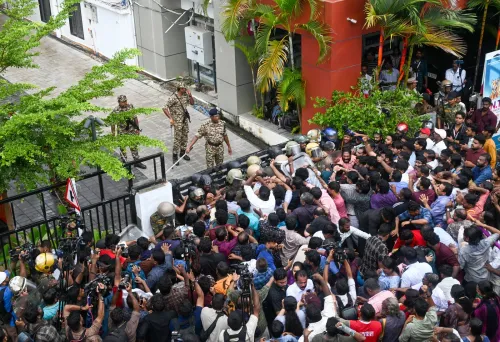
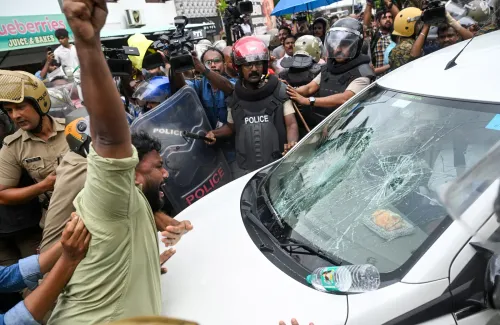
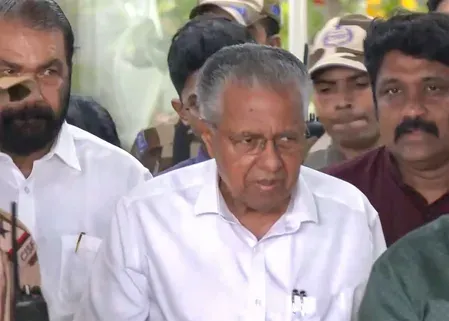
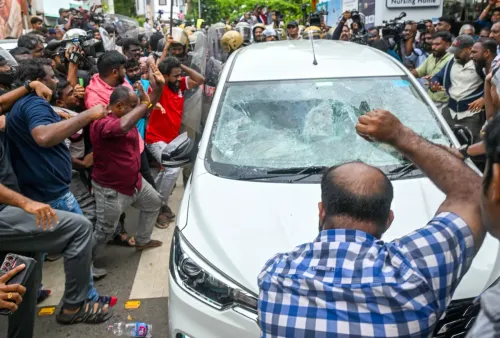
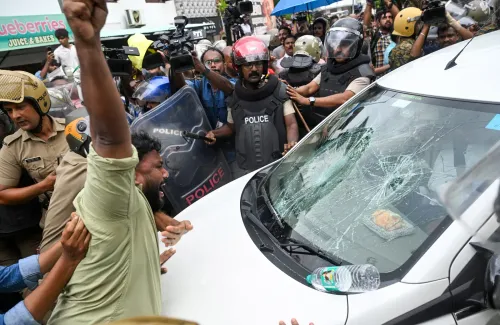
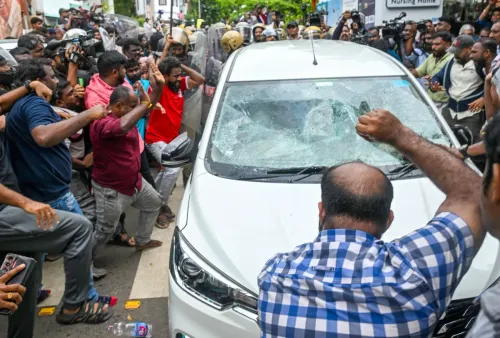
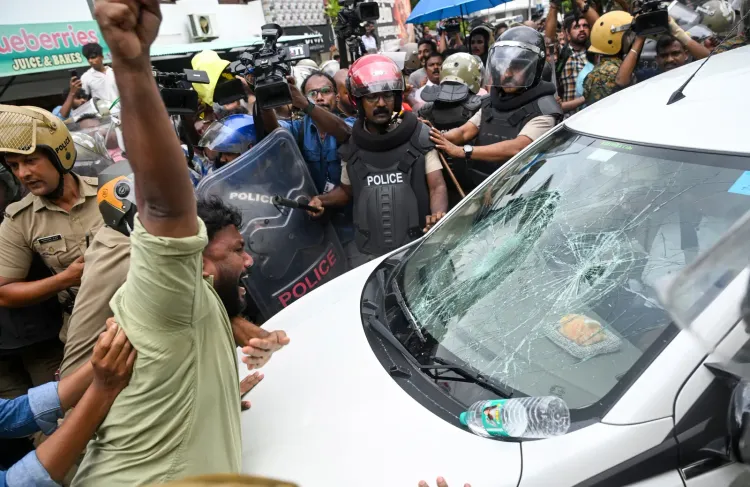
The case traces back to the last week of May, when ED officials conducted a search at the rented residence of Leader of the Opposition Pinarayi Vijayan in connection with the CMRL-Exalogic investigation involving his daughter Veena's now-defunct IT firm. As the officials departed in hired vehicles, a crowd of alleged CPI-M supporters reportedly attacked the moving convoy, injuring some ED personnel and damaging the vehicles. The ED subsequently paid ₹1.75 lakh to repair the vehicles hired for the operation.
Who Has Approached the High Court
Among those who have moved the Kerala High Court are the fifth accused Sreejith, seventh accused Anilkumar, and three others identified as Shafeeq, Kiran, and Nishad Jeevan, along with two additional accused. In total, 24 CPI-M workers remain in judicial custody for more than 60 days. The Sessions Court had previously rejected bail applications on two separate occasions.
Arguments on Both Sides
The accused contend they have been falsely implicated, with several identified solely on the basis of media reports rather than direct evidence. Their legal team — described as a formidable group of senior criminal lawyers — argues that the charge of attempt to murder is unsustainable, pointing out that no weapons were used, no grievous injuries were sustained, no test identification parade was conducted, and the ED driver's injuries were reportedly only minor. They allege the serious charge was invoked to exaggerate the gravity of the incident.
The ED, for its part, has engaged the Assistant Solicitor General to contest the bail pleas and has adopted an aggressive legal posture. The agency had earlier objected when a public prosecutor reportedly took a position inconsistent with the police report during a prior bail hearing — a move that led to bail being granted to one accused. The state government's plea seeking cancellation of that bail remains pending before the High Court.
Partial Charge Sheet and Statutory Bail Risk
The prosecution is reportedly preparing a partial charge sheet, a procedural step that could prevent the accused from claiming statutory bail — a right that accrues when a charge sheet is not filed within a stipulated period. This move signals that the prosecution intends to maintain custody of the accused while investigations continue.
What Comes Next
The Kerala High Court hearings between Thursday and 4 August will be closely watched, as the outcome could set a precedent for how courts balance personal liberty against the gravity of alleged offences in cases involving central investigative agencies. The broader legal and political fallout of the case — touching the family of a sitting Leader of the Opposition — ensures it will remain under intense public scrutiny.
Point of View
That is a serious procedural gap the High Court will have to confront. The attempt-to-murder charge, if it rests on minor injuries and no weapons, may not survive scrutiny — but the accused's prolonged custody suggests the system is already functioning as a form of pre-trial punishment.
NationPress
13 Sept 2026
Frequently Asked Questions
Why have the CPI-M workers approached the Kerala High Court?
Seven CPI-M workers accused in the alleged attack on ED officials in Kochi have moved the Kerala High Court for bail after spending more than 60 days in judicial custody. The Sessions Court had rejected their bail applications on two separate occasions, prompting them to escalate to the High Court.
What is the ED attack case about?
The case relates to an alleged attack on an Enforcement Directorate convoy in Kochi in the last week of May, after ED officials conducted a search at the rented residence of Leader of the Opposition Pinarayi Vijayan in connection with the CMRL-Exalogic investigation involving his daughter Veena's now-defunct IT firm. A crowd of alleged CPI-M supporters reportedly attacked the departing convoy, injuring ED personnel and damaging vehicles.
Why do the accused say the attempt to murder charge is unsustainable?
The accused argue that no weapons were used during the incident, no grievous injuries were sustained, no test identification parade was conducted, and the ED driver's injuries were only minor. Their legal team contends the serious charge was applied to inflate the gravity of the case.
What is a partial charge sheet and why does it matter here?
A partial charge sheet is filed by the prosecution when investigations are still ongoing, covering some accused or some offences. Filing it within the statutory deadline prevents the accused from claiming default bail — a right that arises when a charge sheet is not submitted in time. The prosecution is reportedly using this tactic to keep the 24 accused in custody.
Who are the key parties in the Kerala High Court hearings?
The accused are represented by a team of senior criminal lawyers, while the ED has engaged the Assistant Solicitor General to oppose bail. The state government also has a petition pending before the High Court seeking cancellation of bail already granted to one accused.