Kerala HC issues notice in ED attack bail case, questions police probe
Synopsis
The Kerala High Court didn't just issue notice in the ED attack bail case — it put the State's own investigation under the microscope. With the accused having spent 27 days in judicial custody without police seeking custodial interrogation, and organised crime charges facing prima facie doubt, the State's bid to cancel bail is running into judicial headwinds of its own making.
Key Takeaways
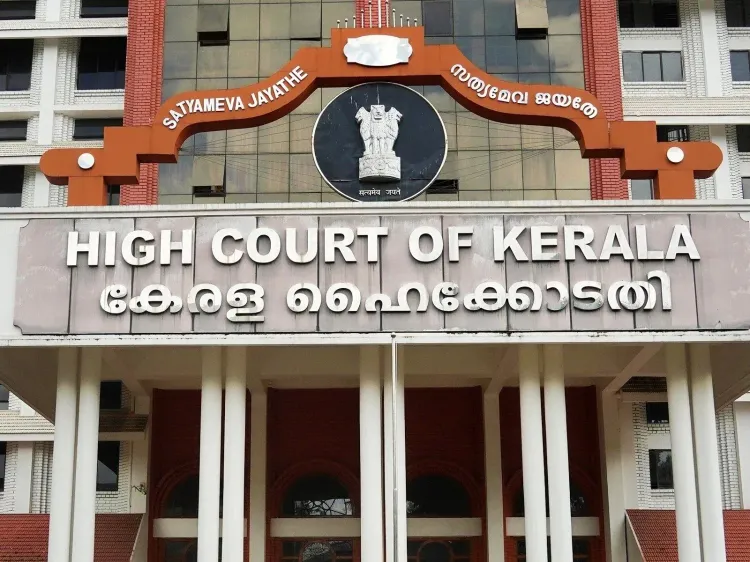
The Kerala High Court on 29 June issued notice to Harishkumar , the ninth accused in the alleged attack on ED officials during a search at Pinarayi Vijayan's rented residence.
Dias declined immediate bail cancellation, stating he cannot act unilaterally without hearing the accused.
The court questioned why police custody was not sought during the accused's 27-day judicial custody period.
Only 25 of approximately 300 alleged participants have been arrested so far; mobile phones are awaiting FSL forensic analysis.
The court expressed prima facie doubt over applicability of organised crime provisions and sought medical records to substantiate grievous injury charges.
The next hearing is scheduled for 20 July .
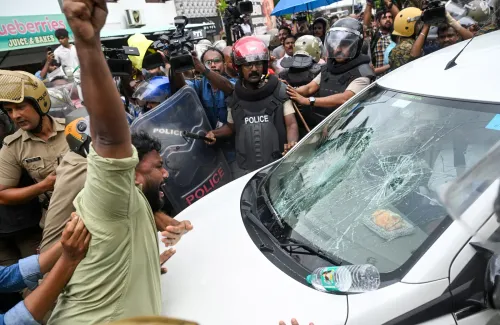
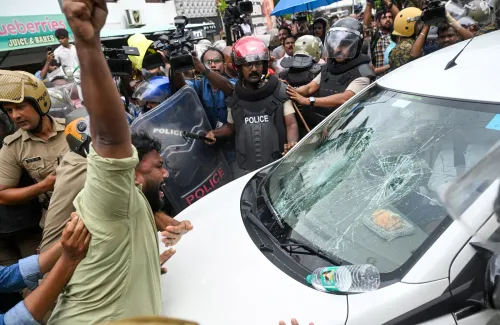
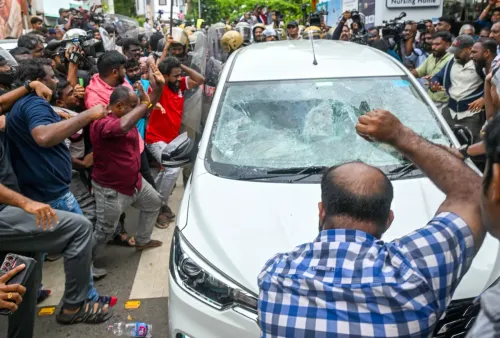
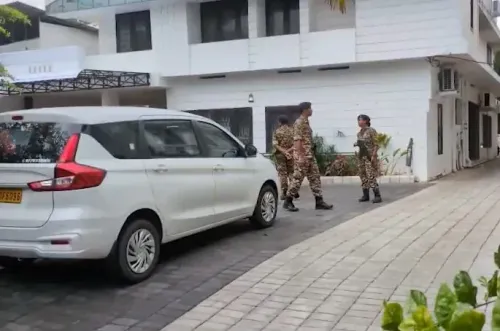
The Kerala High Court on Monday, 29 June issued notice to Harishkumar, the ninth accused in the case relating to the alleged attack on Enforcement Directorate (ED) officials during a search at the rented residence of former Chief Minister and Leader of the Opposition Pinarayi Vijayan and his daughter. The court simultaneously raised pointed questions about the pace of the police investigation and the State's petition seeking cancellation of Harishkumar's bail.
What the Court Said
Justice C.S. Dias of the Kerala High Court was hearing a petition filed by the State challenging a District Court, Thiruvananthapuram order that had granted bail to Harishkumar. The judge declined the State's request for immediate bail cancellation, observing: 'I cannot unilaterally cancel bail without hearing him. He is already on bail.' The court granted Harishkumar time to file his response and posted the matter for further hearing on 20 July.
Court Questions Police Inaction
Justice Dias pressed the prosecution on why police custody had not been sought even as the accused remained in judicial custody for 27 days. 'He was in custody for 27 days. What were you doing? Did you seek police custody during that period?' the judge asked pointedly. The questions signal judicial concern over the investigation's rigour at a stage when the State is simultaneously seeking to tighten bail conditions.
State's Case and Prosecution Submissions
Director General of Prosecution T. Asaf Ali submitted that approximately 300 persons had assembled outside the residence during the ED search on 27 May and had allegedly attacked ED personnel, Central Reserve Police Force (CRPF) personnel, and police officers. He told the court that only 25 accused had so far been arrested and that mobile phones seized from them — including Harishkumar's — had been sent for forensic examination. Ali argued that custodial interrogation would be meaningful only after the Forensic Science Laboratory (FSL) report was received, and maintained that the investigation into the larger alleged conspiracy remained at a preliminary stage.
Court Rejects Prosecution's Bail-Vitiating Argument
The State contended that the District Court's bail order was vitiated because the Public Prosecutor had made incorrect submissions during the bail hearing. Justice Dias declined to accept this, observing that a prosecutor merely assists the court and that the decision to grant or refuse bail ultimately rests with the judge. The court remarked that if the prosecutor had acted contrary to instructions, the appropriate course would be to initiate proceedings against her — not to void the bail order on that ground.
Charges and Evidence Under Scrutiny
Justice Dias also expressed prima facie doubt over the applicability of certain charges, including organised crime provisions, and asked the prosecution to substantiate allegations relating to grievous injuries with supporting medical records. The prosecution maintained that video footage and other digital evidence established Harishkumar's active involvement in the incident. The court indicated it would examine only whether the bail order suffered from any legal infirmity, and sought clarification on the specific role attributed to Harishkumar. The matter will next be heard on 20 July.
Point of View
The court's prima facie scepticism about organised crime charges — among the most serious in the charge sheet — could unravel the prosecution's framing of a coordinated conspiracy. The case is as much a test of investigative diligence as it is of legal merit, and on current showing, the State's procedural gaps may prove harder to overcome than the defence's arguments.
NationPress
28 Sept 2026
Frequently Asked Questions
What is the ED attack case involving Pinarayi Vijayan's residence?
The case relates to an alleged attack on Enforcement Directorate officials, CRPF personnel, and police officers during an ED search on 27 May at the rented residence of former Kerala Chief Minister and Leader of the Opposition Pinarayi Vijayan and his daughter. Approximately 300 persons reportedly assembled at the site, and 25 have been arrested so far.
Why did the Kerala High Court issue notice in this case?
The Kerala High Court issued notice to Harishkumar, the ninth accused, after the State filed a petition challenging the District Court's order granting him bail. The court has sought his response before deciding on the bail cancellation plea, with the next hearing set for 20 July.
Why did the court question the police investigation?
Justice C.S. Dias questioned why the prosecution had not sought police custody of the accused even though he remained in judicial custody for 27 days. The court found this lapse significant, particularly given the State's simultaneous argument that custodial interrogation is necessary for the investigation.
What is the State's argument for cancelling bail?
The State argued that the District Court's bail order was vitiated because the Public Prosecutor made incorrect submissions during the hearing. The court rejected this, holding that bail decisions rest with the judge and that any prosecutorial misconduct should be addressed separately through appropriate proceedings.
What happens next in the case?
The Kerala High Court has posted the matter for further hearing on 20 July, by which date Harishkumar must file his response to the bail cancellation notice. The court will examine whether the original bail order suffers from any legal infirmity and has sought medical records and clarification on the accused's specific alleged role.