Ray Dalio: Current Global Conflicts May Signal World War Beginnings

Synopsis
Ray Dalio warns that rising tensions among the US, Israel, and Iran reflect a broader pattern indicating potential world war beginnings. Discover his detailed analysis of historical cycles and the implications for global alliances.
Key Takeaways
Ray Dalio warns that current conflicts may signal the beginning of a world war.
He identifies a 13-step historical pattern outlining conflict escalation.
The US is considered overextended and vulnerable.
Dalio emphasizes the importance of global alliances in predicting future outcomes.
Investors should monitor geopolitical tensions closely.
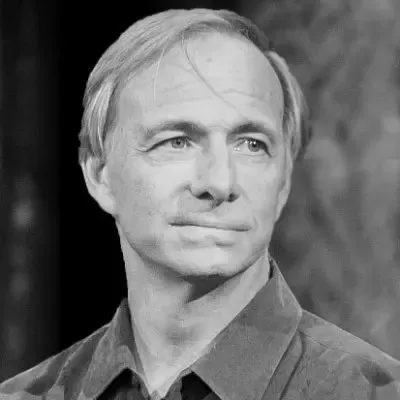
New Delhi, April 19 (NationPress) Billionaire hedge fund manager Ray Dalio has raised alarms about the escalating tensions among the US, Israel, and Iran, suggesting these conflicts are indicative of a larger, interconnected scenario that could signify the inception of a world war. In an extensive post on X, Dalio articulated that these multi-front conflicts mirror a concluding phase observed in historical precedents leading to world wars. He elaborated on a 13-step historical framework he terms the “Big Cycle,” indicating that we currently stand at step 9, with only three additional steps remaining towards a potential world war.
He predicts that the next phase involves an environment where unwavering loyalty to national leadership is mandated while dissent against war and governmental policies is suppressed. Following this, direct military engagements between significant powers would unfold, accompanied by substantial rises in taxes, debt issuance, money creation, and various forms of financial repression to fund these conflicts.
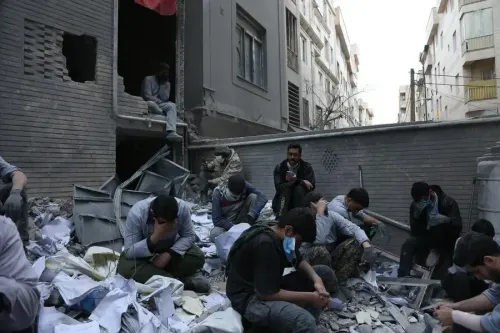
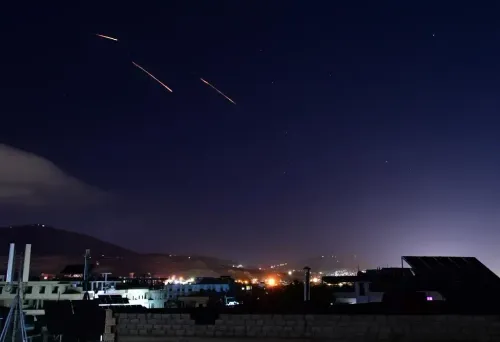
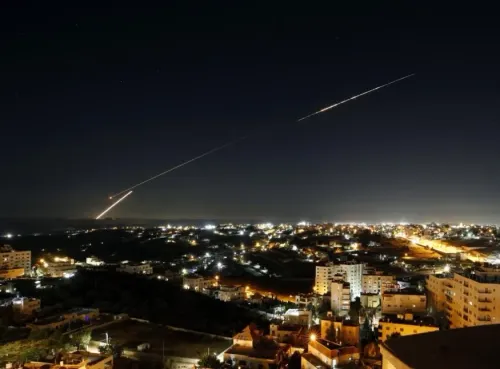
Current international disputes, including the Russia-Ukraine situation alongside Israel, Gaza, Lebanon, Syria, and the Yemen conflict involving Sudan, Saudi Arabia, and the UAE, reflect characteristics of past world wars, engaging major powers and sparking trade disputes.
Dalio remarked, “Collectively, these conflicts represent a quintessential world war reminiscent of historical ‘world wars’,” while expressing hope for a peaceful future founded on mutually beneficial relationships.
He cautioned that the US is currently the most overextended major power, maintaining over 700 military installations in more than 70 nations, and he believes it is also the most vulnerable to prolonged hardship.
Dalio suggested that issues might arise in Asia that would challenge the United States’ capability to respond effectively. However, he noted that the US may struggle to meet these challenges due to its extensive commitments in the Middle East and the diminishing American public support for military actions against Iran as the midterm elections approach.
This scenario could lead other nations hosting US military installations to reevaluate their expectations regarding US backing.
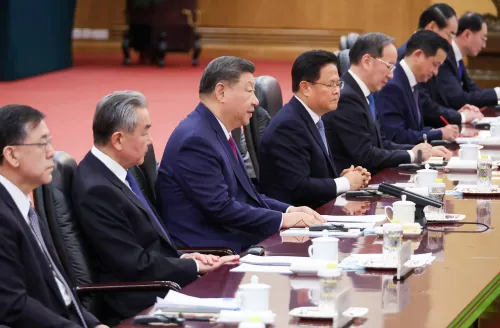
He encouraged investors to monitor global alliances, such as the one between China and Russia, as well as larger coalitions involving North Korea and Cuba, in contrast to the US alliance with Europe, Israel, Japan, Australia, and Gulf nations.
“These alliances are crucial for predicting the trajectories of involved parties, so they must be taken into account when analyzing current events and anticipated outcomes,” Dalio concluded.
Point of View
It’s crucial to recognize the implications of Ray Dalio’s analysis. He highlights a concerning trend that could reshape global dynamics, emphasizing the necessity for awareness regarding international alliances and conflicts. In a world marked by interconnectivity, understanding these patterns is vital for national and global security.
NationPress
19 Sept 2026
Frequently Asked Questions
What does Ray Dalio mean by the 'Big Cycle'?
Ray Dalio's 'Big Cycle' refers to a 13-step historical framework outlining patterns that lead to significant global conflicts, suggesting we are in the ninth step of this cycle.
Why does Dalio believe the US is vulnerable?
Dalio argues that the US is overextended with numerous military bases worldwide and lacks public support for ongoing military actions, making it vulnerable to new challenges.
What historical patterns does Dalio see in current conflicts?
Dalio observes that current conflicts resemble previous world wars, involving major powers and alliances, indicating a classic world war scenario.
How should investors respond according to Dalio?
Dalio advises investors to pay attention to global alliances and tensions, particularly between countries like China, Russia, and Iran, as these will influence future market dynamics.
What is the significance of US military bases abroad?
The extensive presence of US military bases is seen as a sign of its global commitment, but it also raises questions about the US's capacity to respond to threats in other regions.