Delhi Crime Branch busts LPG refilling racket in Nangloi; 96 cylinders, 3 held
Synopsis
Delhi's Crime Branch cracked an organised LPG diversion ring in Nangloi, where delivery workers were secretly stockpiling domestic cylinders at a vacant plot and reselling refilled gas at inflated prices — a hazardous operation that violated both the BNS and the Essential Commodities Act.
Key Takeaways
Delhi Crime Branch busted an illegal LPG refilling racket in Nangloi's Bakkarwala area on 6 May 2025 .
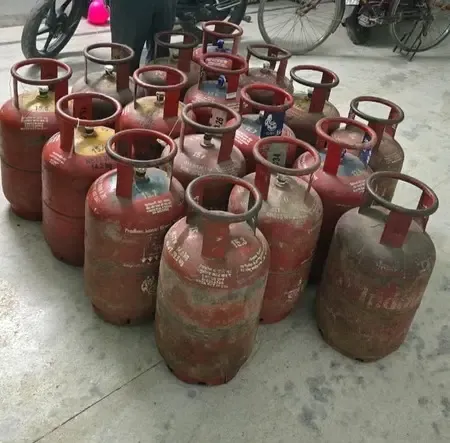
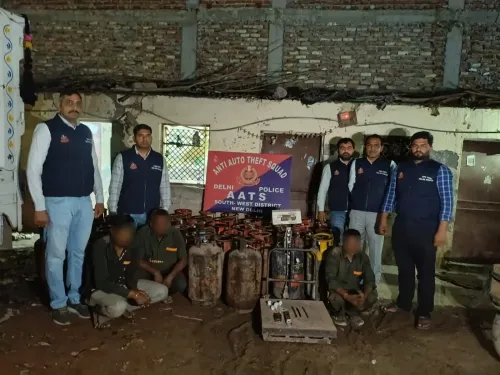
96 LPG cylinders , three vehicles, three weighing machines, and two metallic pipes were seized.
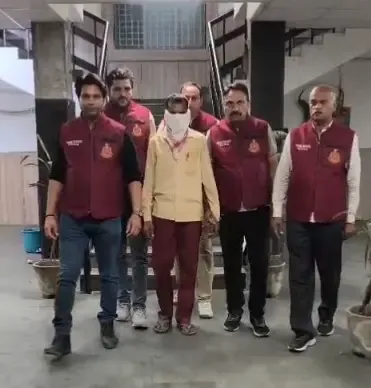
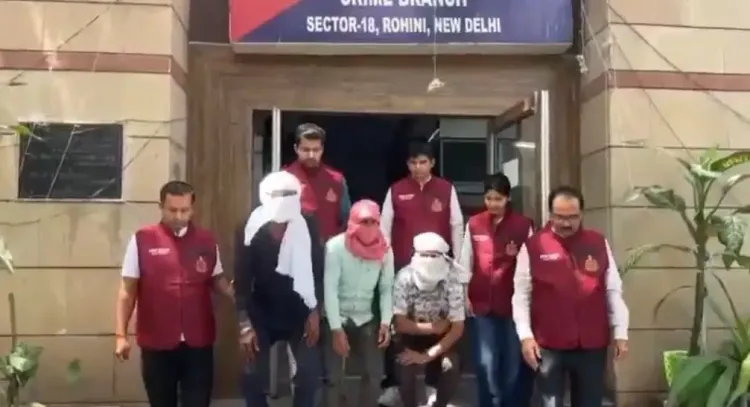
Three accused — Vinod (37) , Vijay (38) , and Vansh Raj (26) — were arrested at the site.
The accused were LPG delivery workers who allegedly diverted cylinders from their assigned routes to a secret stockpile.
They are booked under Sections 125, 318(2), and 3(5) of the BNS and Sections 3 and 7 of the Essential Commodities Act, 1955 .
The Food and Supply Officer from Vikaspuri confirmed the operation was illegal after on-site inspection.
The Delhi Crime Branch dismantled an illegal LPG refilling and hoarding racket in the Bakkarwala area of Nangloi on 6 May 2025, seizing 96 cylinders, three transport vehicles, and associated equipment. Three individuals were arrested after they failed to produce valid documents for the large stockpile of domestic gas cylinders found at the site.
How the Raid Unfolded
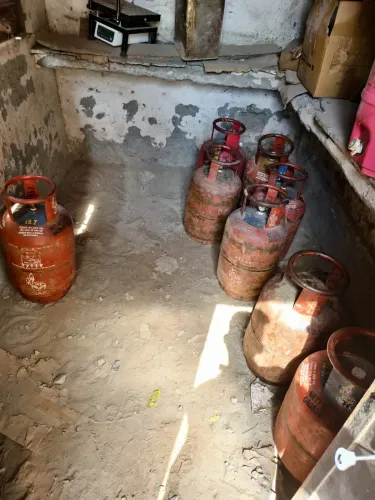
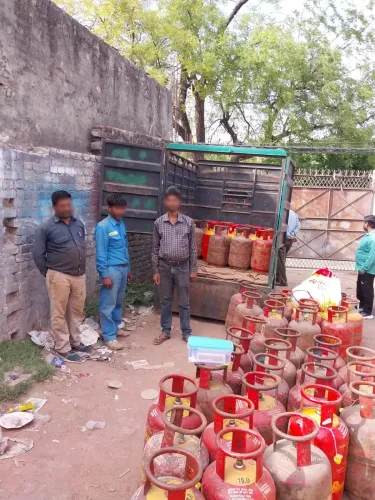
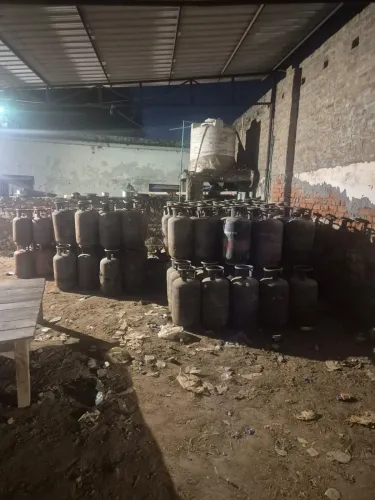
Acting on specific intelligence, a police team conducted a coordinated raid at a vacant plot behind Jai Shiv Nursery on Bakkarwala Road in Laxmi Nagar, Nangloi. Officers found 96 LPG cylinders stored at the location, with several already loaded onto three vehicles — two Tata Ace tempos and one Bajaj Maxima — apparently ready for onward distribution.
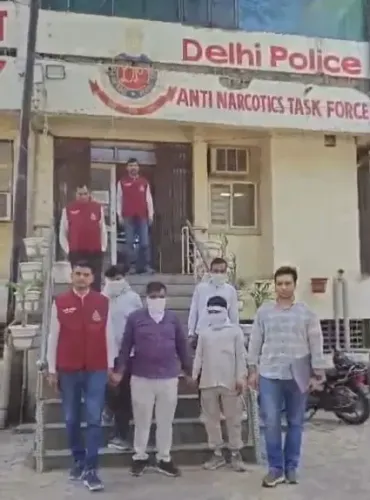
Three individuals were apprehended at the scene: Vinod (37), a resident of Sultanpuri; Vijay (38), a resident of Nangloi; and Vansh Raj (26), a resident of Kanjhawla. None could produce authorisation documents or offer a satisfactory explanation for possessing such a large quantity of cylinders.
What the Illegal Operation Involved
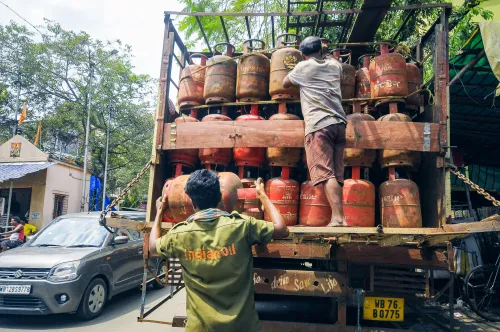
According to officials, the accused were associated with LPG delivery services and had legitimate access to domestic gas cylinders through a gas agency. Instead of delivering cylinders along their assigned routes, they allegedly diverted them to the vacant plot, where they maintained an unauthorised stockpile.
Investigators say the trio used two metallic pipes and three weighing machines — also recovered in the raid — to transfer gas from filled cylinders into empty ones. The refilled cylinders were then reportedly sold in the open market at inflated prices, a practice officials described as hazardous and illegal.
Official Confirmation and Legal Action
The Food and Supply Officer (FSO) from Vikaspuri was summoned to the site and, after inspection, confirmed that the accumulation and handling of LPG cylinders without proper authorisation is illegal. The FSO's assessment strengthened the case against the accused.
The three have been booked under Sections 125, 318(2), and 3(5) of the Bharatiya Nyaya Sanhita (BNS), as well as Sections 3 and 7 of the Essential Commodities Act, 1955. Officials noted the accused were in clear violation of Order No. M-13017(11)/1/2026-LPG-PNG dated 5 March 2026, issued by the Ministry of Petroleum and Natural Gas, Government of India.
Items Seized
The full list of recovered items includes 96 LPG cylinders, two Tata Ace tempos, one Bajaj Maxima, three weighing machines, and two metallic pipes used for the unauthorised gas transfer. The scale of the seizure, officials said, points to an organised operation rather than opportunistic pilferage.
Broader Context
Illegal LPG diversion — where delivery personnel siphon off subsidised domestic cylinders for black-market resale — has been a recurring problem in urban Delhi, particularly in densely populated areas with high demand and limited supply oversight. This operation is among the larger single-site busts recorded in the capital in recent months. Investigations are ongoing, and police have not ruled out the possibility of wider network links.
Point of View
And the system currently offers them both opportunity and low detection risk. The use of metallic pipes for cylinder-to-cylinder gas transfer is not just illegal — it is a fire and explosion hazard in densely populated neighbourhoods. What the arrest of three individuals does not answer is how far up the supply chain the diversion was sanctioned or overlooked. Until gas agencies face accountability for route compliance, such rackets will keep surfacing.
NationPress
21 Sept 2026
Frequently Asked Questions
What was the illegal LPG racket busted in Nangloi, Delhi?
The Delhi Crime Branch dismantled an unauthorised LPG refilling and hoarding operation at a vacant plot in Bakkarwala, Nangloi, where 96 domestic cylinders were stockpiled and refilled using metallic pipes before being sold at inflated prices. Three accused were arrested on 6 May 2025.
Who were the three people arrested in the Nangloi LPG raid?
The three arrested individuals are Vinod (37) of Sultanpuri, Vijay (38) of Nangloi, and Vansh Raj (26) of Kanjhawla. All three were found at the site with the cylinders and vehicles and could not produce valid authorisation documents.
What charges have been filed against the accused?
The accused have been booked under Sections 125, 318(2), and 3(5) of the Bharatiya Nyaya Sanhita (BNS) and Sections 3 and 7 of the Essential Commodities Act, 1955, for illegal storage, tampering, and black-market sale of LPG cylinders.
How were the accused obtaining the LPG cylinders?
According to investigators, the accused were employed with LPG delivery services and had authorised access to domestic cylinders through a gas agency. They allegedly diverted cylinders from their delivery routes to a secret stockpile instead of delivering them to households.
Why is illegal LPG refilling considered dangerous?
Transferring gas between cylinders using unauthorised metallic pipes — as was done here — is highly hazardous and can cause explosions or fires, especially in residential areas. It also tampers with cylinder pressure and safety valves, posing serious risks to end consumers.